


How Traditions Keep the Past Alive in Everyday Life
From family recipes to public festivals, repeated customs carry memory, identity, and connection across generations.

A family recipe can preserve more history than a museum display.
Get The Latest News!
Don't miss our top stories and need-to-know news everyday in your inbox.
One handwritten card for bread, soup, or sweets can carry a grandmother’s habits, a region’s ingredients, and a family’s way of gathering around a table. That is the quiet power of tradition. Traditions do more than repeat old customs. They keep memory active. They help people honor the past not only by remembering it, but by living it in small, familiar acts.
Why traditions matter
A tradition is a practice, belief, or ritual passed from one person or group to another. Some traditions are formal, like national holidays or religious ceremonies. Others are simple and personal, like telling the same story at birthdays or visiting a certain place every year.
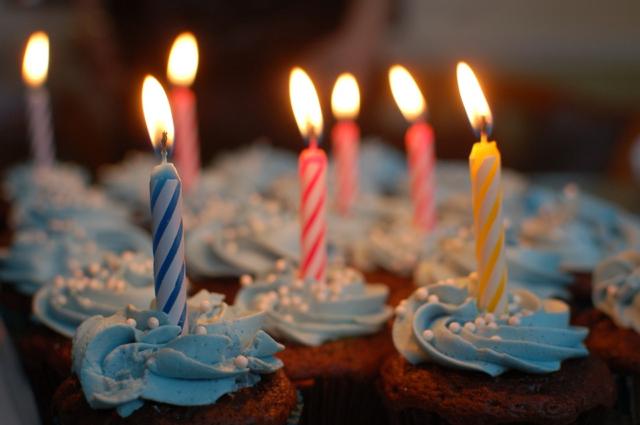
What gives tradition its value is not age alone. A custom matters because people attach meaning to it. Lighting a candle, cooking a certain dish, wearing special clothing, or saying a phrase before a meal may seem ordinary on the surface. Yet each act can connect people to those who came before them.
This connection matters because the past can feel distant. Historical dates and old photos often seem fixed and silent. Tradition makes the past move again. It turns memory into action.
Traditions as living memory
People often think of history as something stored in books, archives, or monuments. But much of what people know about their families and communities is passed down through repeated habits. A grandfather teaches a child how to fish in the same spot his father used. A family sets an extra plate on the table to remember someone who has died. A neighborhood gathers each year for a parade tied to its immigrant roots.
These moments are not just sentimental. They are a form of living memory. They carry values, stories, and identity.
This is one reason phrases like “keeping the flame alive” or “passing the torch” are so powerful. Both idioms suggest that memory is not static. It must be carried forward. Traditions do that work. They keep old experiences present in a way that feels human and shared.
How everyday customs honor earlier generations
Not every tradition looks grand. In fact, many of the strongest ones happen in ordinary life.
Food is one of the clearest examples. A family may make tamales at holidays, dumplings for New Year celebrations, or a certain cake for weddings. The dish itself matters, but so does the process. People gather in kitchens, repeat techniques, and tell stories about who first made it “the right way.” Through that repetition, older generations remain part of the event.
Names also carry tradition. Children may be named after grandparents, saints, or respected community members. This choice honors the past by linking a new life to an earlier one.
Even language can do this. Certain sayings survive because they hold a community’s values. A phrase like “Don’t forget where you came from” is more than advice. It is a reminder that identity includes memory. In some families, old proverbs are repeated so often that they become a moral guide.
Clothing, music, and crafts work the same way. A wedding dress altered across generations, a lullaby sung in an old language, or a handmade quilt can preserve family history in forms people can touch and use.
Cultural traditions and shared identity
Traditions do not only connect families. They also help entire communities honor their collective past.
National holidays often remember major events, sacrifices, or turning points. Days of remembrance for war veterans, independence celebrations, and memorial ceremonies all serve this purpose. They ask people to pause and recognize lives and struggles that shaped the present.

Religious traditions often hold especially deep ties to the past. Fasting periods, prayer rituals, feast days, and pilgrimages are repeated across generations with careful attention. These acts connect people not only to family members but also to a much older chain of believers.
Cultural festivals do something similar. Lunar New Year, Día de los Muertos, Diwali, Passover, Eid celebrations, and many others bring memory into public life. They often combine food, symbols, music, and storytelling. Some honor ancestors directly. Others remember survival, freedom, harvest, faith, or renewal. In each case, tradition helps people say: this is where we come from, and this still matters.
A commonly misunderstood idea is that tradition is only about preserving old forms exactly as they were. In reality, many traditions change while still honoring the past. A family may use modern ingredients in an old recipe. A community may stream a ceremony online so relatives far away can join. The surface changes, but the meaning remains.
Why repetition gives traditions their power
Traditions gain strength through repetition. Doing something once can be memorable. Doing it again and again gives it emotional weight.
Repetition creates expectation. Children begin to recognize patterns. They learn that certain songs, meals, objects, or gatherings belong to special moments. Over time, those repeated acts become markers of identity.
This is why breaking a tradition can feel so meaningful. If a family cannot gather in the usual way, people often feel that something important is missing. The reaction shows that the tradition was doing more than filling time. It was anchoring memory and belonging.
There is also comfort in repetition. In times of loss or change, traditions can provide stability. Funeral rituals are one example. They help people mourn, remember, and support one another through a structured set of actions. The same is true for anniversaries of major events. People return to familiar practices because those practices offer a way to carry grief, gratitude, or respect.
Traditions in modern life
Modern life is fast, mobile, and often digital. Families live in different cities or countries. Work schedules shift. People marry across cultures. Because of that, traditions can seem harder to maintain. Yet many people adapt them rather than abandon them.
A family group chat may now share holiday photos in real time. Grandparents may teach recipes by video call. Old letters may be scanned and saved. A graduation dinner may combine foods from two cultures. These are not signs that tradition is fading. They are examples of tradition adjusting to new conditions.
At the same time, modern life can make traditions feel even more valuable. When so much changes quickly, repeated customs offer continuity. They remind people that not everything has to be invented from scratch.
This can be seen in small habits. Some people always call an elder before making a major decision. Others visit a family grave on birthdays or keep a parent’s tools, books, or jewelry in use. These acts may not attract public attention, but they honor the past in direct and personal ways.
How to recognize tradition in your own experience
Traditions are easy to overlook because they often feel normal. One useful question is simple: what does your family or community do “because we always do”?
The answer may reveal more than expected. Maybe everyone gathers for one meal after a funeral. Maybe a certain song is played at weddings. Maybe elders tell the same migration story every year. Maybe a school sings an old anthem. Maybe neighbors hold an annual block gathering tied to local history.
To understand what a tradition honors, look at what it preserves. Does it protect a memory, a value, a skill, or a relationship? Does it remember hardship, celebrate survival, or express gratitude? Traditions often contain lessons without stating them openly.
People can also choose to strengthen traditions with intention. Asking older relatives where a custom came from can uncover stories that might otherwise disappear. Writing down recipes, recording songs, labeling old photos, or explaining the meaning of a holiday to children can turn an assumed habit into a preserved inheritance.
Sometimes new traditions are created to honor more recent parts of the past. Families may plant a tree after a loved one dies, volunteer on a meaningful date, or hold an annual reunion after years of separation. A tradition does not need to be centuries old to carry real meaning.
Traditions honor the past because they make memory part of daily life. They turn respect into practice, story into ritual, and history into something people can taste, hear, wear, and repeat. Whether they come from a nation, a faith, a neighborhood, or one kitchen table, traditions remind people that the past is not only behind them. In many quiet ways, it still sits beside them, shaping who they are and how they belong.
More like this:

- Most Popular



- Top Stories



- Most Recent

- Sign In
- Home
- Video
- News
-
Weather
 Sponsored by Michael Ryan Exteriors - Roofing Professionals
 - Sports
- Obits
- Events
- Radio
- AP News
- Shop Local
- Classifieds
- Autos
- Real Estate
- Directory
Get the RiverBender App


Follow Us
Copyright © 2026 RiverBender.com All rights reserved.
primary