


Podiatrist Explains Safe Ways to Remove Foot Calluses
Viral foot-scraping videos may grab attention, but a podiatrist says proper callus care is far less dramatic. Small mistakes at home can quickly turn painful.
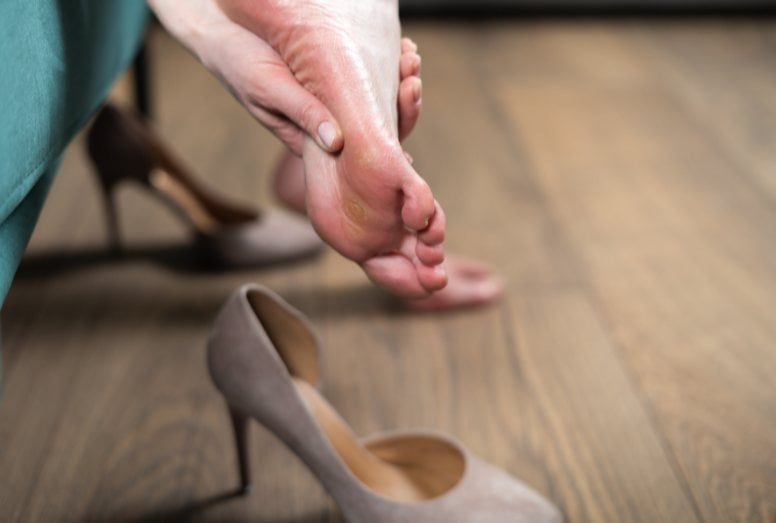 Follow enough dermatologists on social media, and you’re bound to come across a viral video of a person with a ton of dead skin on their foot. The provider usually narrates while they chip away – literally – at the problem.
Thankfully, that’s not the norm, says Marc Leonard, DPM, an OSF HealthCare podiatrist. But you should still know the right way and the wrong way to remove foot calluses.
Get The Latest News!
Don't miss our top stories and need-to-know news everyday in your inbox.
Calluses can occur when you wear shoes that don’t fit well, when you don’t wear socks with shoes, when you have foot bones out of normal position or if you do a lot of physical activity. Severe cases may also be genetic. Dr. Leonard says calluses often occur toward the front and back of your foot, but they can occur elsewhere if there’s a structural issue like a bunion or hammer toe.
Dr. Leonard says some exfoliation of your skin is natural, but you should look into treating calluses if the pain impacts your quality of life. He adds that people with diabetes need to pay close attention to calluses.
“If that callus builds up enough, puts pressure underneath the skin and breaks the skin down, it can cause ulcerations that can lead to infection or amputation,” Dr. Leonard says.
There are at-home remedies for calluses, but Dr. Leonard says to try them carefully and after speaking to a health care provider. A provider may tell you to run a nail file or pumice stone over the callus, sometimes after you get out of the shower when the skin is soft. Never use a device that’s not approved to treat calluses, like a razor. And be gentle and don’t dig too deep into the skin. Otherwise, bleeding can result. A provider may also tell you to wear shoes with more toe room, use shoe inserts or change the way you exercise.
For more severe cases, a provider may do the work for you.
“Here at the office, we’d trim the callus down,” Dr. Leonard says. “We’d try to get the person a way to manage it on their own once we get past the large, painful area. They can then manage it better using that pumice stone on a regular basis.”
Read more about how to keep your feet healthy on the OSF HealthCare website.
More like this:





- Most Popular



- Top Stories

- Most Recent



- Sign In
- Home
- Video
- News
-
Weather
 Sponsored by Michael Ryan Exteriors - Roofing Professionals
 - Sports
- Obits
- Events
- Radio
- AP News
- Shop Local
- Classifieds
- Autos
- Real Estate
- Directory
Get the RiverBender App


Follow Us
Copyright © 2026 RiverBender.com All rights reserved.
primary