


Governor Pritzker Signs FY27 State Budget, Boosting Illinois State Funding
Illinois State University said its FY27 operating funds will rise by about $822,000, while an additional $1.6 million in released FY26 reserve funding is expected to help fulfill last year’s appropriation.
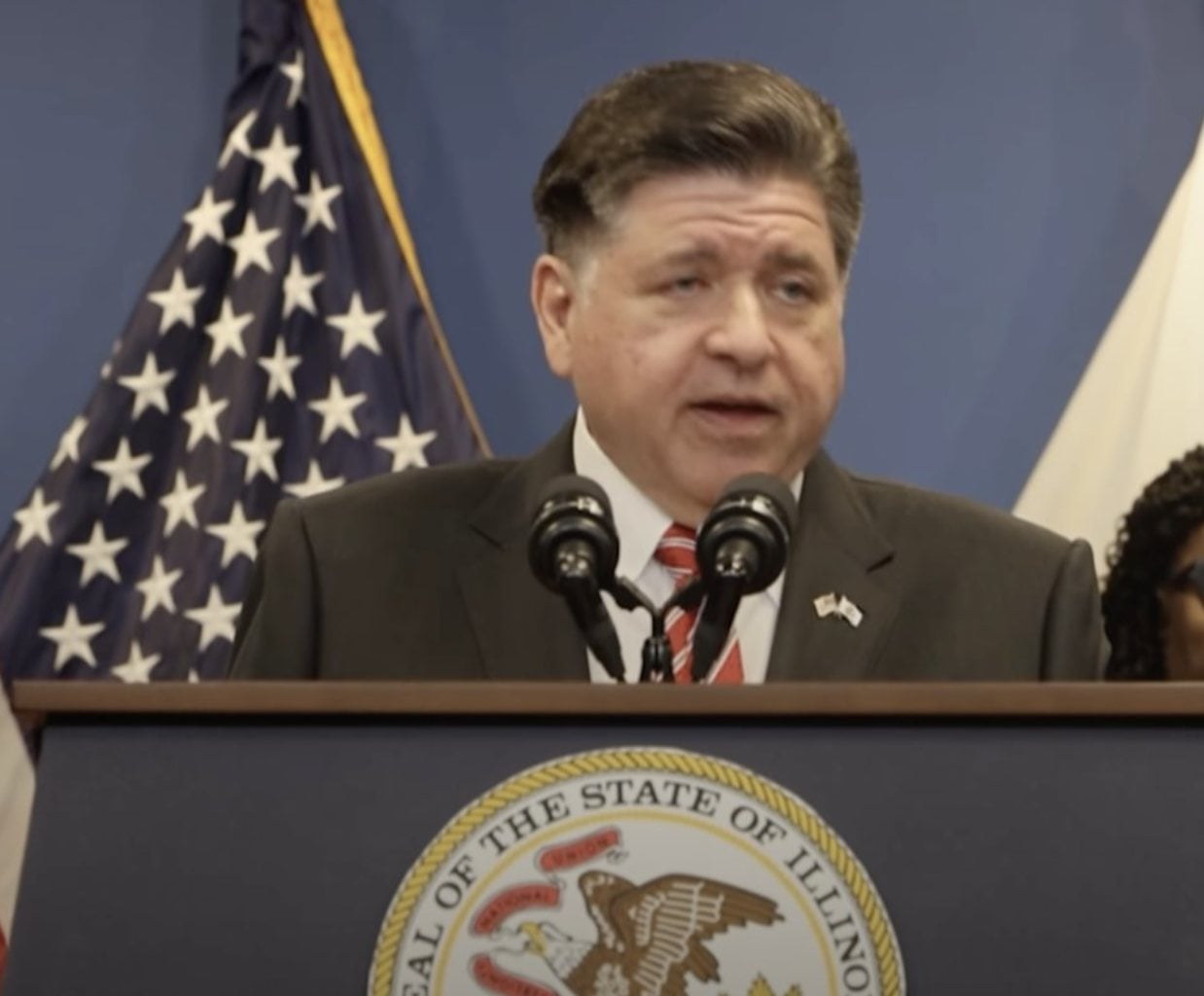
CHICAGO — Today, Governor JB Pritzker and Lieutenant Governor Juliana Stratton joined legislative leaders and members of the General Assembly to sign the FY27 state budget package. The $55.9 billion balanced General Funds budget continues seven years of fiscal progress while prioritizing affordability for working families through housing support, food assistance, tax relief measures, and investments in education and healthcare — all without raising taxes on working people.
“I’m proud to sign Illinois’ eighth consecutive balanced budget — one that lower costs for everyday Illinoisans, protects our state’s fiscal health, and continues our economic progress,” said Governor JB Pritzker. “Working families need relief, and this budget delivers by investing in housing, food access, education, our healthcare system, and other necessities that make life more affordable. In a year marked by unprecedented challenges, Illinois has once again demonstrated that responsible governing goes hand in hand with making life more affordable and investing in our future.”
“Affordability was at the heart of every decision made in this budget,” said Lieutenant Governor Juliana Stratton. “From helping families manage everyday expenses to investing in the schools, healthcare, and services they depend on, this budget reflects our commitment to easing financial pressures while maintaining the fiscal discipline that has helped move Illinois forward. Working families deserve both economic stability today and opportunity tomorrow, and this budget delivers on both.”
“In a moment of economic uncertainty and shifting federal priorities, Illinois chose stability, responsibility, and compassion,” said Senate President Don Harmon (D-Oak Park). “We invested over $300 million in new funding for Illinois public schools, provided relief for working families, and maintained a responsible, balanced budget. I’m grateful to Governor Pritzker, Speaker Welch, and the members of the General Assembly for working together to deliver a budget that reflects our values and continues to invest in the people of the great state of Illinois.”
“When my colleagues and I took office in January 2025, I challenged them to meet this moment with bold action,” said House Speaker Emanuel “Chris” Welch. “Every day since, we have led with a simple focus: People who work hard shouldn’t feel like every day is such a struggle. Opening a bill shouldn’t feel so scary. No one should have to choose between their medication or putting food on the table. So, while Washington’s agenda makes everything more expensive, we have focused on affordability. We make smart investments in the lifesaving services Washington is trying to slash. And we deliver a state budget that works for families’ budgets.”
“We’re building up a strong foundation with investments we can be proud of as Illinoisans — educating our young people, enhancing good-paying job opportunities, keeping our communities safe, and growing the economy,” said Majority Caucus Appropriations Leader Elgie R. Sims, Jr. (D-Chicago). “Illinois will continue to step up where the federal government has stepped away, investing in the whole person, no matter the color of their skin, their education level, or their ZIP code.”
“Securing further efficiencies and accountability standards strengthens our balanced budget — ensuring a thriving Illinois for all,” said Senate Majority Caucus Whip Julie Morrison (D-Lake Forest). “By consolidating multiple state funds, we are streamlining disbursements, reducing administrative burden, and securing timely services and support for Illinoisans across the state.”
“Extending the accelerated pension program helps provide certainty and flexibility for retirees while supporting responsible financial planning for the state,” said State Senator Rob Martwick (D-Chicago). “It’s a balanced approach that protects retirement security and strengthens long-term fiscal health.”
“My colleagues and I have been forced to watch as the everyday struggles for our residents become harder and harder, all while the wealth gap between the top 1% and working-class families becomes wider and wider — and we’re saying enough is enough,” said State Senator Celina Villanueva (D-Chicago). “When we have Illinoisans having to decide between paying the electric bill and putting food on the table, or buying their medication and making their car payment on time, we have a duty to implement responsible revenue solutions that place working families back in our economy’s driver’s seat.”
Even amid growing economic uncertainty and instability coming from the Trump Administration, the FY27 budget maintains Illinois’ commitment to fiscal responsibility while focusing on affordability for working families. The budget fully funds Illinois’ pension obligation, increases Evidence-Based Funding for K-12 schools, and limits discretionary spending growth to less than 0.5%. By balancing disciplined budgeting with targeted investments to support working families, Illinois continues to strengthen its fiscal foundation while helping families navigate rising costs.
Highlights of the FY27 budget include:
Making Everyday Costs More Affordable
- Motor Fuel Tax Increase Pause: Illinois will pause the annual July 1 Motor Fuel Tax increase for six months to help families facing higher costs driven by economic uncertainty and rising energy prices due to the Trump Administration’s actions in the Middle East while still maintaining the state’s long-term investment in infrastructure programs.
- Back-to-School Sales Tax Holiday: Families shopping for school supplies, clothing, and other school necessities will not pay state sales tax from August 7–16, 2026.
- Nearly $100 Million to Help Families Afford Groceries and Food: The FY27 budget invests nearly $100 million to help families put food on the table, including:
- $70 million for the Families Receiving Emergency Support for Hunger (FRESH) Program, providing one-time $400 payments to Illinois families kicked off SNAP by the Trump Administration.
- $17.5 million to support school districts’ free breakfast and lunch programs.
- $12 million in new funding for the Illinois Grocery Initiative to address inadequate access to fresh food in food deserts.
Making Housing More Affordable
- $250 million in new funding for missing middle and affordable housing programs at the Illinois Housing Development Authority (IHDA) and the Illinois Department of Commerce and Economic Opportunity (DCEO).
- $100 million for a new Missing Middle Housing Infrastructure (M2I) Grant Program at DCEO to help communities support housing development.
- $100 million for missing middle and other affordable housing programs at IHDA.
- $50 million for Opening Doors and SmartBuy down payment assistance programs at IHDA.
Making Education More Accessible
- $350 million in additional investment in the Evidence-Based Funding (EBF) Formula for K-12 education, achieving the statutory target for annual funding increases. This brings the total EBF program to $9.3 billion — a $2.5 billion increase to the annual funding level since Governor Pritzker took office.
- $721.6 million to maintain the Monetary Award Program (MAP) funding level, representing a $320 million funding increase (80% increase) in MAP funding (need-based assistance) since 2019.
- $29.5 million in release of 2% reserve funding for higher education that was part of the FY26 reserves set aside amid federal funding uncertainty coming from Washington. Combined with the guaranteed 1% increase included in FY27, the funding continues to invest in Illinois higher education institutions.
Making Healthcare More Attainable & Supporting Illinois’ Healthcare System
- Medical Debt Relief: The budget includes a new $5 million deposit into the Medical Debt Relief Pilot Program Fund. Illinois’ Medical Debt Relief Program has already erased over $1 billion in medical debt for more than 530,000 Illinoisans across all 102 counties.
- Medicaid Omnibus: Signs the bipartisan Medicaid Omnibus bill into law, including approximately $110 million in FY27 for a loan program to support Medicaid services, safety-net hospitals, while strengthening oversight, transparency, and financial stability across Illinois’ healthcare system amid looming healthcare cuts from the Trump Administration.
Making Illinois a Beacon of Economic Opportunity
- $50 million for the new Area Career Centers capital grant program to modernize facilities and strengthen high-quality career pathways.
- $20 million for the Illinois Works Pre-Apprenticeship Program to expand Illinois’ pipeline of qualified, diverse workers in the construction and building trades.
- $20 million for Manufacturing Training Academies (MTA) to align workforce training capacity with industry demand through the creation of additional academies.
Making Government More Efficient:
- Creating the State Facility Maintenance and Improvement Fund to help agencies address maintenance needs earlier and avoid more costly repairs later.
- Merging the Human Rights Commission into the Illinois Department of Human Rights to streamline operations.
- Reducing duplication and improving efficiency by consolidating 19 state funds into similar existing accounts and repealing 7 obsolete funds.
For more information on the impact of the FY27 budget package to be implemented July 1, visit: https://news.illinoisstate.edu/news/2026/06/governor-signs-fy27-state-budget/
More like this:


- Most Popular



- Top Stories



- Most Recent
- Sign In
- Home
- Video
- News
-
Weather
 Sponsored by Michael Ryan Exteriors - Roofing Professionals
 - Sports
- Obits
- Events
- Radio
- AP News
- Shop Local
- Classifieds
- Autos
- Real Estate
- Directory
Get the RiverBender App


Follow Us
Copyright © 2026 RiverBender.com All rights reserved.
primary