


Battle of Gettysburg’s End Headlines a Look Back at Major Events on July 3
The date includes the end of Gettysburg, the founding of Quebec, Algeria’s independence, and milestones in culture, politics, and science.
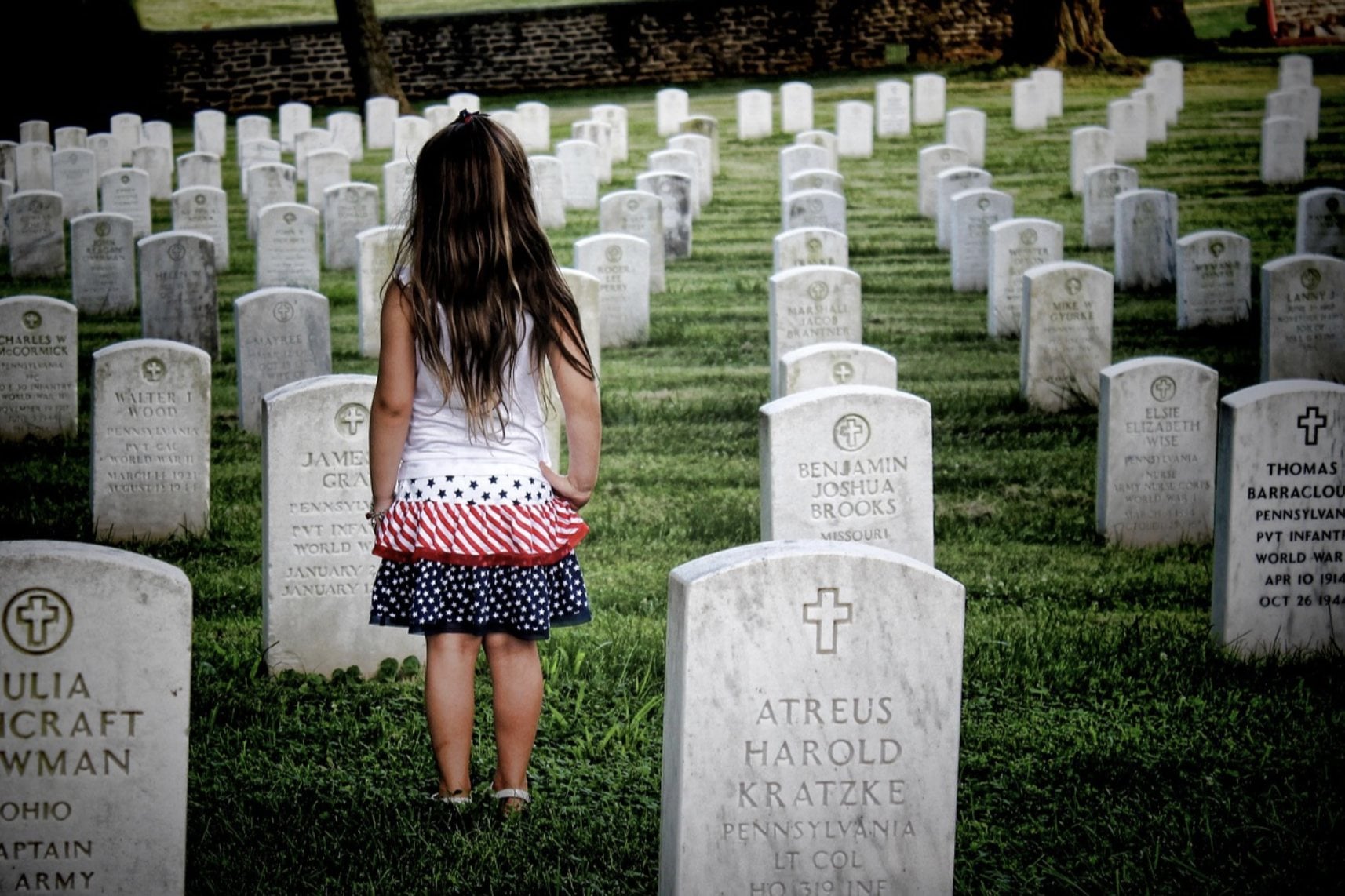 On July 3, one of the most significant events in global history took place in 1863, when the Battle of Gettysburg ended during the American Civil War. The three-day battle was fought in Pennsylvania and became the war’s deadliest single clash. It mattered at the time because it stopped Confederate General Robert E. Lee’s invasion of the North and marked a turning point in the conflict. It still matters today because it showed how one battle can reshape a nation’s future, influence political change, and affect the lives of millions far beyond the battlefield.
Gettysburg came after months of hard fighting in the United States. By the summer of 1863, Lee’s army had won major victories and moved north, hoping to weaken Northern morale, gather supplies, and possibly influence foreign opinion. Instead, Union and Confederate forces collided at the crossroads town of Gettysburg. After brutal combat from July 1 to July 3, the Confederate assault known as Pickett’s Charge failed, and Lee’s army retreated.
Get The Latest News!
Don't miss our top stories and need-to-know news everyday in your inbox.
The battle did not end the war, but it changed its direction. It weakened the Confederacy’s military strength and gave the Union new momentum. In later years, Gettysburg became a symbol of national sacrifice, remembrance, and the struggle over slavery and union.
Long before Gettysburg, another major event connected to July 3 helped shape Europe and the wider Atlantic world. In 1608, the French explorer Samuel de Champlain founded Quebec. Established along the St. Lawrence River, the settlement became a lasting center of French presence in North America. At the time, its location supported trade, exploration, and strategic control of important waterways. Over generations, Quebec helped sustain French language, law, and culture in the region. Its founding remains significant because it influenced the development of Canada and the long history of relations among Indigenous peoples, European settlers, and imperial powers.
More than a century later, July 3 marked a dramatic military turning point in Central Europe. In 1866, Prussia defeated Austria at the Battle of Königgrätz, also known as Sadowa, during the Austro-Prussian War. This was not just a battlefield success. It changed the balance of power in the German-speaking lands. Prussia’s victory showed the effectiveness of its military organization and modern weaponry, and it cleared the way for Prussian leadership in the unification of Germany. Austria, meanwhile, was pushed out of German political affairs. The consequences reached well beyond the region, helping set the stage for a new major power in Europe by 1871.

July 3 also carries weight in the history of social and political change. In 1962, Algeria became independent after a long and violent war against French colonial rule. The struggle had begun in 1954 and brought heavy losses, deep divisions, and international attention. Independence mattered immediately because it ended 132 years of French rule and created a new sovereign state in North Africa. Its wider importance was just as great. Algeria’s independence became one of the most important moments in the global wave of decolonization after the Second World War, influencing liberation movements across Africa and beyond.
A year later, in 1963, the Birmingham campaign in the United States reached one of its landmark outcomes when authorities agreed to begin desegregating public facilities and businesses after months of protests. The demonstrations had been organized by civil rights leaders and local activists against racial segregation in Alabama. Images of police violence against peaceful marchers, including children, had already drawn national and international attention. The agreement did not solve racial inequality, but it showed that nonviolent protest could force negotiation and federal action. It also helped build momentum for the Civil Rights Act of 1964.
Science and technology have their place on this date as well. In 1988, the USS Vincennes, a United States Navy cruiser, shot down Iran Air Flight 655 over the Persian Gulf, killing all 290 people on board. Although this was a military tragedy rather than a scientific achievement, it remains important in the history of modern technology and warfare because it raised lasting questions about radar systems, command decisions, and the risks of high-tech weapons in tense conflict zones. The incident deepened mistrust between Iran and the United States and remains a powerful example of how advanced systems do not remove the danger of human error.
Sports history added another notable chapter on this date in 1971, when Jim Morrison of The Doors was found dead in Paris. Though Morrison is remembered mainly as a musician, his death became a major cultural moment that affected music, youth culture, and the mythology of rock performance. His career had captured the spirit of a turbulent era in the 1960s, and his death at age 27 helped cement the idea of the tragic young rock star in modern popular culture. The impact was artistic and symbolic, stretching beyond record sales into literature, fashion, and performance style.
Another significant death came in 2004 with Andrian Nikolayev, the Soviet cosmonaut who had taken part in the early years of human spaceflight. Nikolayev flew on Vostok 3 and Soyuz 9, helping expand knowledge about how the human body responds to long periods in space. His work belonged to a larger international effort that transformed space exploration from short test missions into more ambitious journeys.
More like this:



- Most Popular



- Top Stories

- Most Recent



- Sign In
- Home
- Video
- News
-
Weather
 Sponsored by Michael Ryan Exteriors - Roofing Professionals
 - Sports
- Obits
- Events
- Radio
- AP News
- Shop Local
- Classifieds
- Autos
- Real Estate
- Directory
Get the RiverBender App


Follow Us
Copyright © 2026 RiverBender.com All rights reserved.
primary