


How Festivals Turn Crowds Into Community
This article explores how shared rituals, public celebration and cultural traditions help strangers connect and strengthen communities.
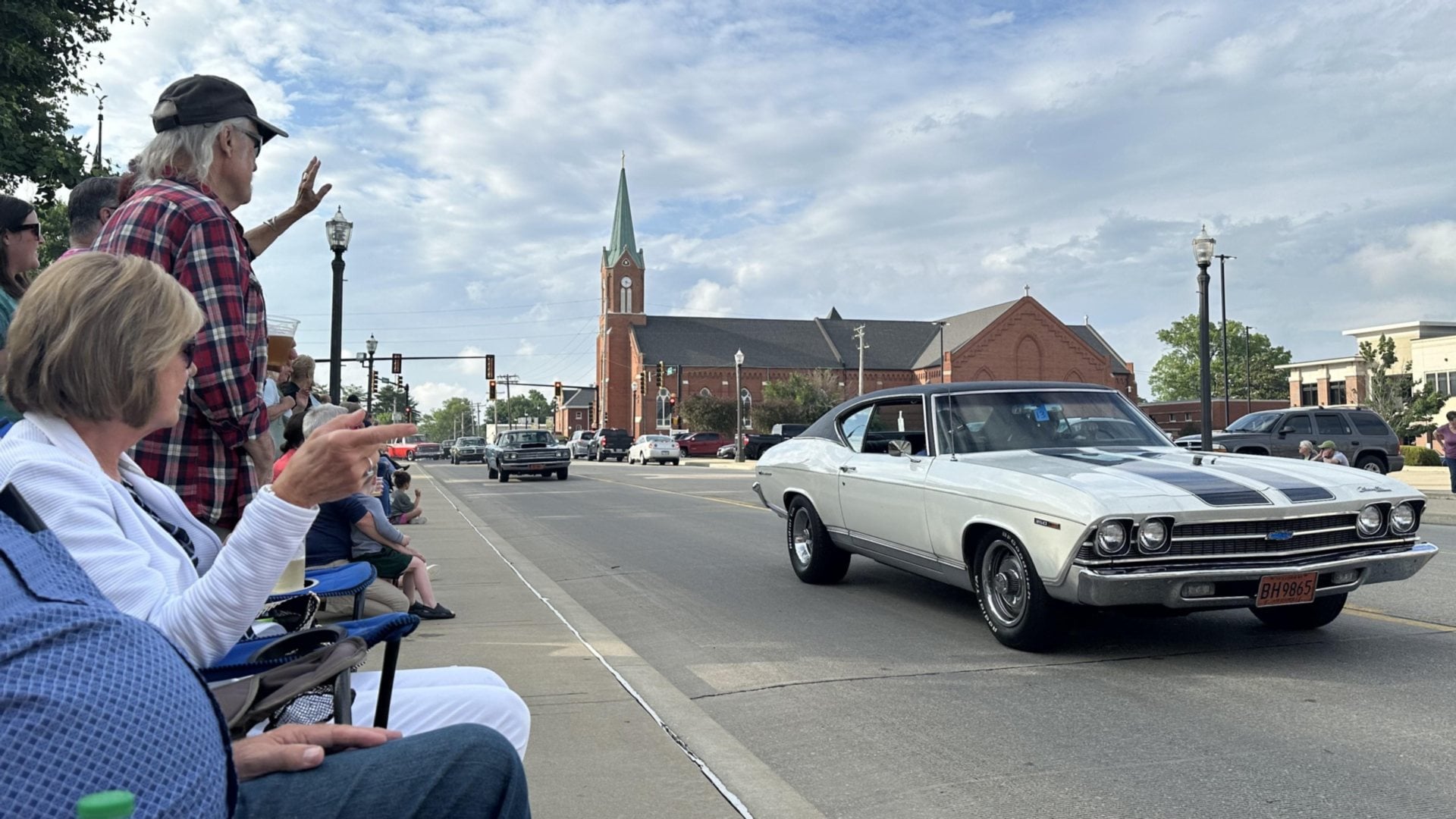
A festival can turn strangers standing shoulder to shoulder into a crowd that feels like a community.
Get The Latest News!
Don't miss our top stories and need-to-know news everyday in your inbox.
That change happens fast. One moment, people are checking their phones, hurrying past each other, or keeping to their own group. Then the music starts, a parade rolls by, lanterns rise, drums echo, or food is passed around, and the mood shifts. People smile at someone they have never met. Families point things out together. Neighbors who barely speak during the week stop to chat. Festivals do more than entertain. They create a shared experience, and shared experiences are one of the strongest ways people connect.
Why festivals matter so much
At a basic level, festivals give people a reason to gather. That may sound simple, but in modern life it is not a small thing. Many people live near each other without really knowing each other. Work schedules differ. Families are busy. People spend more time online and less time in public spaces. A festival interrupts that pattern.
It creates a moment when being together is the main point.
That is why festivals often feel bigger than the event itself. A street fair is not only about music or food. A religious celebration is not only about ritual. A cultural holiday is not only about tradition. These events become places where people feel seen, included, and part of something larger.
There is a common saying: “Food brings people together.” Festivals prove that music, stories, dance, symbols, and shared memory can do the same.
Shared rituals create instant connection
One reason festivals bring people together is that they use rituals. A ritual is simply something people do in a shared, meaningful way. It could be lighting candles, singing a song, wearing special clothes, sharing sweets, watching fireworks, or walking in a procession.
These actions may seem small, but they carry emotional weight. When many people do the same thing at the same time, it creates a feeling of unity. No long speech is needed. The act itself sends the message: we are here together.
Think about Lunar New Year celebrations in many parts of the world. Families gather for meals. Children receive red envelopes. Streets fill with dragon dances, lights, and color. Even people who are not part of the culture often join in as guests, learning the meaning behind the traditions. The celebration becomes both personal and public.
The same is true for Diwali, where lights symbolize hope and the victory of good over evil. Homes and public spaces glow. Visits are exchanged. Sweets are shared. The message is not only religious or cultural. It is also social. Light your home, open your door, welcome others.
Festivals help people remember who they are
Festivals often carry history. They may mark a harvest, honor a saint, celebrate freedom, welcome a new year, or remember an important event. In simple terms, they tell a group of people, “This is part of our story.”
That matters because identity is not built only in private. It also grows in public, through symbols, habits, and repeated acts. A festival makes memory visible. It turns history into something people can taste, hear, wear, and pass on.
For example, Carnival in many countries has roots that mix religion, local culture, music, and resistance. It is joyful, but it also reflects deep history. Juneteenth celebrations in the United States do something similar. They mark the end of slavery for Black Americans and turn remembrance into gathering, music, education, and pride. In both cases, the festival is not just a party. It is a statement of identity and belonging.
This is especially important for immigrant communities. A festival can help children born far from their parents’ homeland understand where their family came from. It can also invite outsiders to learn respectfully. In that way, festivals protect culture while also building bridges.
They make public space feel human
Cities and towns often feel organized for movement rather than connection. People drive through, shop quickly, and go home. Festivals change the purpose of public space. A closed street, town square, park, or temple courtyard becomes a place to stay rather than pass through.
That shift matters more than people sometimes realize.
When a public space fills with music, vendors, families, elders, and children, it becomes more welcoming. People linger. They talk. They notice each other. A child dancing near a stage, an older couple sharing a bench, teenagers helping at a booth, and local artists showing their work all become part of the same social picture.
This is one reason local festivals can strengthen neighborhoods. Even a small event, like a school fair or community market, can increase trust. People begin to recognize faces. The bakery owner becomes more than a shop sign. The volunteer at the ticket table becomes a neighbor. Familiarity grows, and with it, a greater sense of ease.
Festivals cross social boundaries
Daily life often separates people by age, income, language, religion, or routine. Festivals can soften those lines.
A music festival may attract office workers, students, retired people, and tourists all at once. A religious feast day may welcome both devoted members and curious visitors. A citywide cultural festival may bring together people who rarely meet in the same setting.
Of course, not every festival is open in the same way, and some are meant mainly for a specific community. That should be respected. But even then, festivals often create moments of exchange. Someone tries a new dish. Someone asks about a symbol or custom. Someone hears a language they do not speak and still feels included through rhythm, hospitality, or simple shared enjoyment.
There is an old idea behind this: when people break bread together, barriers fall. That saying lasts because it is often true. Sharing food, space, and celebration makes others seem less distant.
Joy itself is a social force
People often talk about festivals in terms of tradition, but joy is just as important.
Celebration is not shallow. It can be a serious social tool. Singing together, dancing together, laughing together, and cheering together all build emotional connection. These moments lower tension and invite openness. They remind people that community is not only about solving problems. It is also about sharing pleasure.
This is easy to see in everyday life. A person may attend a local cultural fair just to try the food, then leave feeling more connected to the town. Parents may take their children to a parade, only to end up talking with other families. Coworkers who barely speak in the office may discover common ground at a neighborhood event.
These are small moments, but communities are built from small moments repeated over time.
Festivals can heal division
Not every community is naturally close. Some places carry tension, loneliness, or mistrust. Festivals cannot fix every problem, but they can create a starting point.
A shared celebration offers a low-pressure way to be present with others. People do not need to agree on everything to enjoy a concert, admire decorations, or stand side by side during a ceremony. The event becomes common ground.
This is why festivals are sometimes used after hard times. Following conflict, disaster, or long periods of isolation, public celebration can help people reconnect. It says, in effect, “We are still here, and we can still gather.”
That message matters. Human beings need more than services and systems. They need belonging.
How to notice this in your own life
You do not need to attend a huge event to see how festivals bring people together. Watch what happens at any celebration near you.
Notice who comes. Are different generations there? Are people greeting old friends and meeting new ones? Is there a tradition everyone seems to know, even if it is simple? Are people staying longer than they planned?
Pay attention to what people share. It may be food, songs, stories, clothing, prayer, laughter, or memory. These are not extras. They are the glue.
If you want to experience the social power of festivals more fully, try going with curiosity instead of just as a spectator. Ask about a custom. Support a local booth. Bring a friend from another background. Volunteer if you can. The more people take part, the stronger the sense of connection becomes.
Festivals remind people of something daily life can hide: community is not only where we live, but what we do together. In the color, noise, ritual, and joy of a shared celebration, people find reasons to gather and ways to belong. That is why festivals last, and why they continue to matter wherever people are looking for connection.
More like this:



- Most Popular


- Top Stories


- Most Recent

- Sign In
- Home
- Video
- News
-
Weather
 Sponsored by Michael Ryan Exteriors - Roofing Professionals
 - Sports
- Obits
- Events
- Radio
- AP News
- Shop Local
- Classifieds
- Autos
- Real Estate
- Directory
Get the RiverBender App


Follow Us
Copyright © 2026 RiverBender.com All rights reserved.
primary