


Why Fairs and Festivals Hold Such a Powerful Pull for People
From shared excitement and ritual to food, novelty and belonging, fairs and festivals offer a break from routine that leaves lasting memories.
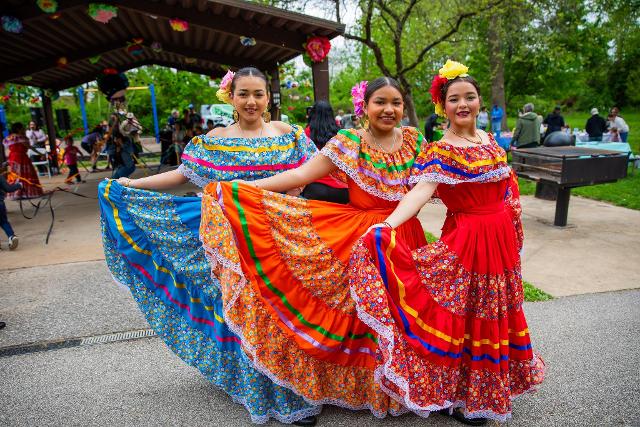
A fair can turn a parking lot into a place people talk about for years. Add music, bright lights, food stands, and a crowd moving with the same excited energy, and even ordinary space starts to feel special.
That shift helps explain why humans love fairs and festivals. These events are not just about rides, concerts, parades, or holiday traditions. They give people something many parts of daily life do not: shared excitement. For a few hours or days, normal routines loosen. Strangers stand shoulder to shoulder. Families repeat old rituals. Friends make new stories. A festival can feel playful on the surface, but its pull runs much deeper.
We want moments that feel bigger than ordinary life
Most days are structured by tasks. People work, study, commute, shop, and manage responsibilities. Fairs and festivals interrupt that pattern. They create a clear break from normal time.
That break matters. Humans do not only need rest. We also need contrast. A festival says, in effect, “This day is different.” The lights are brighter. The clothes may be more colorful. The streets sound different. Food is served in unusual ways. Even the rules may change a little. You might dance in public, sing with strangers, or stay out later than usual.
This change in atmosphere gives people emotional relief. It does not erase problems, but it offers a pause. That is one reason people often count down to a local fair or annual celebration. The event becomes a marker in life, something to anticipate and remember.
Festivals make belonging visible
One of the strongest human needs is the need to belong. Fairs and festivals make belonging easy to see.
At a sports parade, a harvest fair, a religious feast, or a neighborhood street festival, people gather around a shared focus. They wear similar colors, eat familiar foods, repeat songs, and take part in customs that say, “We are here together.” That feeling can be powerful even when the event is simple.
Think of a town fair with livestock contests, homemade pies, and old rides. To an outsider, it may seem small. To local families, it can carry years of memory. Grandparents went there. Parents went there. Children now expect to go too. The event becomes part of family identity.
This is also why many cultures hold annual celebrations tied to religion, local history, or community pride. Diwali, Carnival, Lunar New Year, Eid festivals, village feasts, county fairs, and music festivals may look very different, but they all help people feel connected to something larger than themselves.
A common idea appears in many languages: people want to “join in.” That phrase sounds simple, but it points to a deep truth. Shared celebration is not a side feature of human life. It is one of the ways people create social trust.
Our brains love novelty, but not too much
Humans are drawn to new experiences. A fair offers novelty in a safe form.
There may be unusual foods, games of chance, handmade goods, costumes, performers, and sounds from every direction. People can try something unfamiliar without stepping too far outside their comfort zone. A child rides a small roller coaster for the first time. An adult tastes a dish they have never tried. A group watches a dance tradition from another culture.
This mix is important. Too much unpredictability can feel stressful. But festivals package novelty inside a social setting that feels manageable. There are signs, schedules, booths, stages, and crowds all moving with the same purpose. The event feels adventurous, but not chaotic.
That balance helps explain why people often come home tired but happy. A fair stimulates the senses. It gives the brain variety, surprise, and reward. Bright visuals, rhythmic music, and tasty food all work together to create strong memories.
Food does more than fill people up
Ask people what they love about festivals, and food often appears near the top of the list. That is not trivial. Food is one of the fastest ways to connect memory, emotion, and identity.
Festival foods are often richer, sweeter, fried, spiced, or prepared with extra care. Some are linked to one event only. That makes them feel special. A dish eaten once a year can carry more meaning than something available every day.
Food also lowers social barriers. People gather around stalls, share plates, compare favorites, and recommend what to try. Even standing in line can become part of the experience. The line says, “Other people think this is worth waiting for.” That shared expectation adds to enjoyment.
Many traditions use food to mark belonging. Mooncakes during Mid-Autumn Festival, sweet treats during holidays, roasted corn at fairs, regional breads at feast days, or special meals after religious events all send the same message: celebration should be tasted, not just observed.
Ritual gives joy structure
People often think festivals are spontaneous fun. In reality, many of them depend on ritual.
A parade route stays the same. A song is always sung. A lantern is lit. A dance begins at a certain hour. Families meet in the same place. Someone always buys the first bag of popcorn. Someone else insists on the Ferris wheel before anything else.
These repeated actions matter because they turn random fun into tradition. Tradition creates emotional weight. It tells people that the event belongs not just to this moment, but to many moments linked together.
This is one reason old sayings around celebration still carry force. Phrases like “eat, drink, and be merry” or “come one, come all” suggest openness, abundance, and shared joy. They may sound old-fashioned, but the feeling behind them is still current. Festivals invite people into a temporary world where generosity and participation matter more than efficiency.
They give people permission to express themselves
Daily life often requires restraint. People follow workplace rules, school expectations, traffic laws, budgets, schedules, and social norms. Festivals loosen some of that pressure.
At a music festival, people dress more boldly. At a cultural celebration, they may wear traditional clothing with pride. At a carnival, masks and costumes let people try on a different side of themselves. Even a child winning a cheap stuffed toy at a game booth may feel larger than life for a few minutes.
This does not mean festivals are about escaping reality completely. It means they allow forms of expression that daily routines often push aside. Singing loudly, dancing in public, painting faces, cheering during fireworks, or joining a crowd countdown can feel freeing because people are doing it together.
That shared permission is key. Alone, some actions might feel awkward. In a festival setting, they feel natural.
Fairs and festivals keep culture alive
Not every tradition survives through books or formal teaching. Many survive because people keep practicing them in public.
A folk dance learned from older relatives. A craft demonstrated at a local fair. A drum rhythm passed from group to group. A procession that tells a religious or historical story. These are not just performances. They are ways of handing culture forward.
This is especially important in modern life, where people move often and spend large amounts of time online. Festivals create face-to-face contact with customs that might otherwise fade. They also help younger generations understand that culture is not only something to read about. It is something people wear, cook, sing, build, and celebrate.
At the same time, festivals can change. A city may add newer music to an old event. A food fair may mix local dishes with global flavors. This flexibility is part of their strength. Traditions survive not by staying frozen, but by staying meaningful.
You can spot their appeal in everyday life
You do not need to attend a huge national event to notice why fairs and festivals matter. Look for smaller signs.
Do people in your area talk about one annual event with unusual affection? Do families have fixed habits around it? Do people save money for it, volunteer for it, or plan reunions around it? Do old photos come out afterward? Those are clues that the event does more than entertain.
The same pattern appears in modern forms too. Pop-up food festivals, comic conventions, neighborhood night markets, school carnivals, and holiday light displays all borrow from the same human needs: belonging, novelty, ritual, and shared emotion.
If you want to understand your own response, pay attention to what stays with you after an event. It may not be the headline attraction. It might be the smell of grilled food, the sound of a marching band turning a corner, the moment a child sees the lights for the first time, or the easy conversation that happens while waiting in line.
Humans love fairs and festivals because these gatherings turn simple pleasures into shared meaning. They remind people that joy is not only private. It can be built in public, repeated across generations, and felt most strongly when many lives briefly move to the same rhythm.
More like this:



- Most Popular
- Top Stories

- Most Recent
- Sign In
- Home
- Video
- News
-
Weather
 Sponsored by Michael Ryan Exteriors - Roofing Professionals
 - Sports
- Obits
- Events
- Radio
- AP News
- Shop Local
- Classifieds
- Autos
- Real Estate
- Directory
Get the RiverBender App


Follow Us
Copyright © 2026 RiverBender.com All rights reserved.
primary