


Michigan Numbers Surge Pass 8,000 Cases: Cyclosporiasis Watch Continues
Health official says the foodborne parasite has caused an unprecedented spike in illness, far beyond the state’s typical annual total.
Key Takeaways:
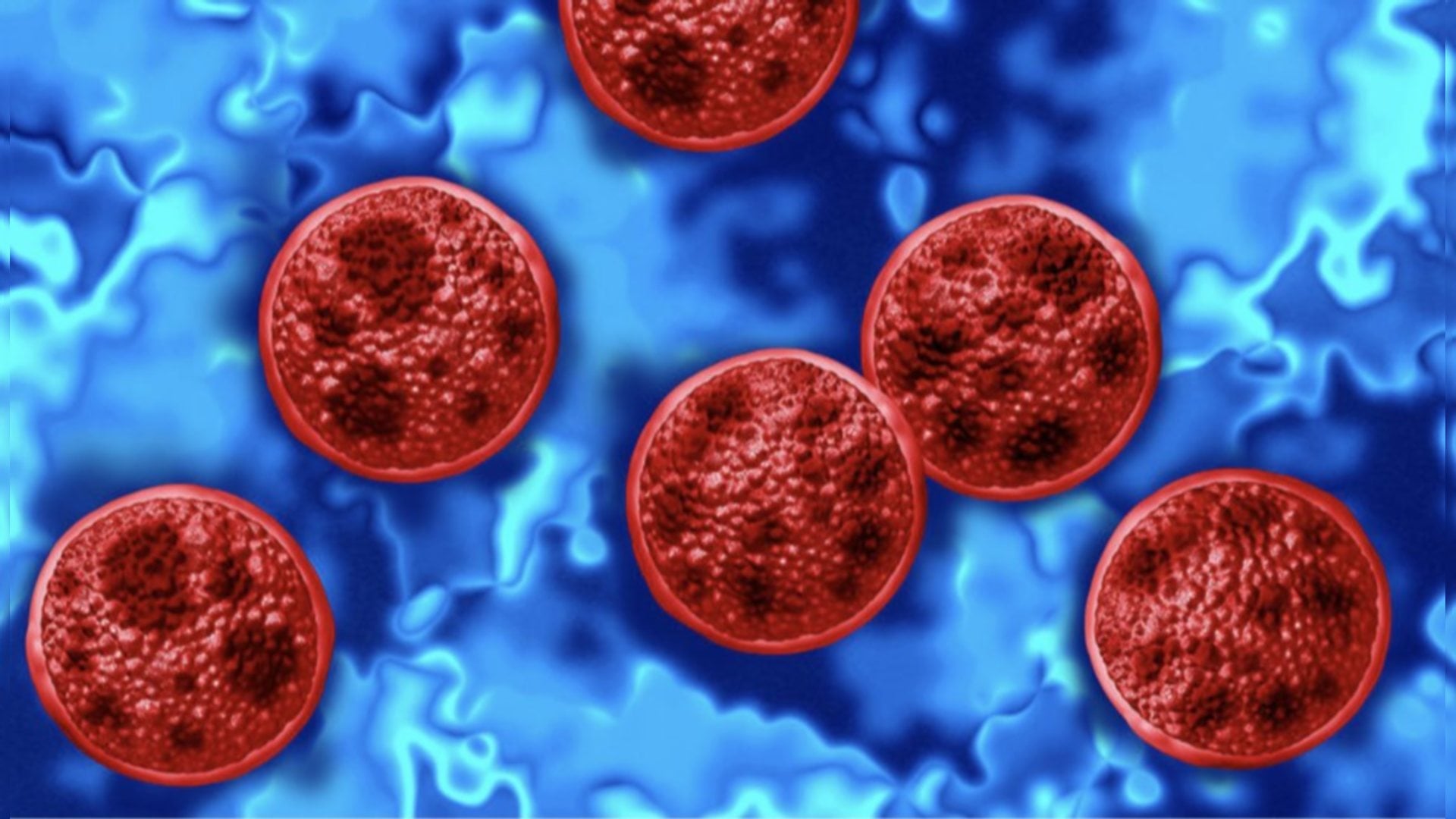
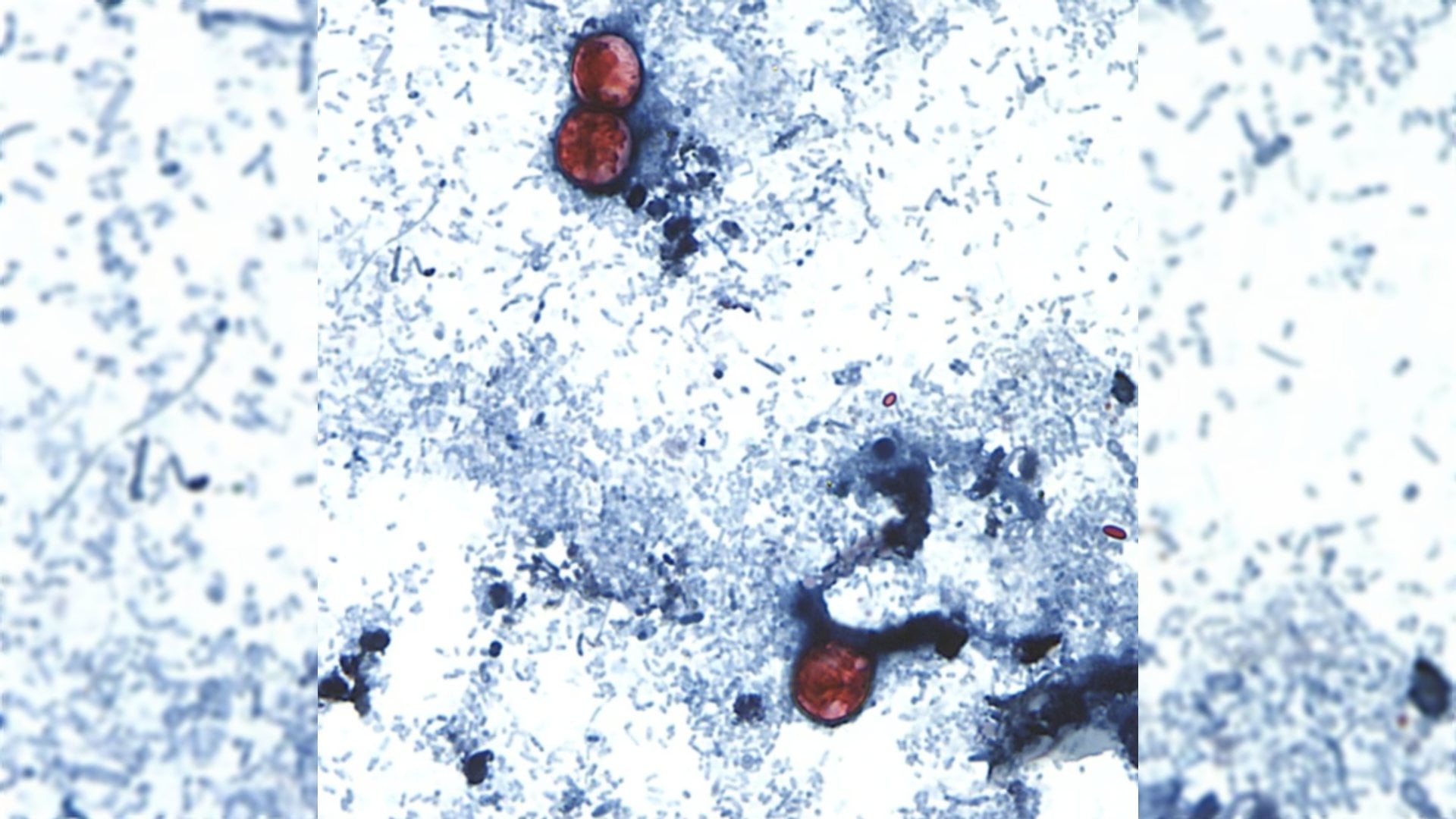
- Cyclospora is a foodborne parasite that can cause severe gastrointestinal illness.
- Nine states have seen cases of the diarrheal illness caused by contaminated iceberg lettuce.
- Michigan has had more than 8,000 cases reported. A typical year is about 50 cases.
- Symptoms include diarrhea, loss of appetite, weight loss, cramping, bloating and increased gas.
- Issues can start anywhere from two days to two weeks.

For more than a decade working in infection prevention, Nicole Pirlot, RN, has seen her share of outbreaks. But nothing compares to the cyclosporiasis outbreak now sweeping across the Midwest.
In Michigan alone, thousands of people have become sick from the parasite this summer. According to the Michigan Department of Health and Human Services, the state has reported 8,176 cyclosporiasis cases and 160 hospitalizations, as of July 24, with just over 600 cases reported in one day. About 2% of those cases have led to hospitalization.
“Normally, we see in Michigan about 50 cases a year of cyclosporiasis,” says Pirlot, an infection preventionist at OSF HealthCare St. Francis Hospital & Medical Group in Escanaba, Michigan. “Most of those come from individuals who have traveled internationally in developing countries. We do see occasional cases locally in Michigan, but not at the extent we're seeing right now.”
Nine states now have related cases of diarrheal illness caused by iceberg lettuce contaminated with the microscopic cyclospora parasite, according to the U.S. Centers for Disease Control and Prevention (CDC). On July 24, the CDC added Illinois, Indiana, Kansas, Oklahoma and Pennsylvania to the cyclosporiasis outbreak investigation. A total of 41 states has reported at least one case since May 1.
Pirlot says people become infected by ingesting the cyclospora parasite, usually through contaminated food or water. Fresh produce, including fruits and vegetables, have been linked to outbreaks when it becomes contaminated. Scientists are still studying how long the parasite remains infectious under different temperatures, humidity, and agricultural conditions. This knowledge could improve prevention strategies.
Pirlot says symptoms include watery diarrhea, loss of appetite, weight loss, low-grade fever, cramping, bloating and increased gas, nausea and fatigue. “Studies show that you can start with symptoms two days to two weeks after eating,” Pirlot says.
Most healthy people will recover without long-term problems. However, it can last longer in people who are elderly, young children or people who are immuno-compromised. Seek medical attention if your symptoms become worse or you become dehydrated.
Cyclosporiasis is treatable with prescription antibiotics, so it's important to contact a health care provider if symptoms are severe or don't improve.
“(Especially) anyone who is feeling dehydrated, if they cannot keep their fluids up, starting to feel weak, multiple loose stools, or you're just not getting any better,” says Pirlot. “Come in, see your provider. They can help you out.” Consult with your medical provider to see if a virtual visit is an option.
Pirlot reminds people to always wash fruits and vegetables, which can reduce the risk of illness but won’t reduce the threat completely. Cooking food to at least 158 degrees Fahrenheit will help since heat destroys the parasite. For lettuce the recommendation is buying whole heads over chopped prepackaged kits and discarding those first outer layers before preparation.
“Good hand hygiene, washing those fruits and vegetables,” she adds. “Even if you're going to peel them, make sure you wash those skins and cook everything thoroughly. Use clean utensils. That way, you'll prevent all those other foodborne illnesses from undercooking and contaminated surfaces.”
Pirlot says the current outbreak serves as an important reminder that people can't control every source of contamination. The best defense is identifying symptoms early and seeking care when needed.
More like this:



- Most Popular



- Top Stories



- Most Recent



- Sign In
- Home
- Video
- News
-
Weather
 Sponsored by Michael Ryan Exteriors - Roofing Professionals
 - Sports
- Obits
- Events
- Radio
- AP News
- Shop Local
- Classifieds
- Autos
- Real Estate
- Directory
Get the RiverBender App


Follow Us
Copyright © 2026 RiverBender.com All rights reserved.
primary