


Lesser Known Ways To Feed Your Baby
If traditional methods aren’t working in the first few days or weeks, experts have alternatives.
 Key takeaways:
- Whether you feed your newborn at the breast or with formula, there may be challenges to get them the nourishment they need. Experts have solutions.
- Spoon feeding, cup feeding, dropper feeding and a supplemental nursing system are options.
- Talk to a lactation consultant if you have questions.
Get The Latest News!
Don't miss our top stories and need-to-know news everyday in your inbox.
Xandra Anderson likens infant nutrition to learning baseball.
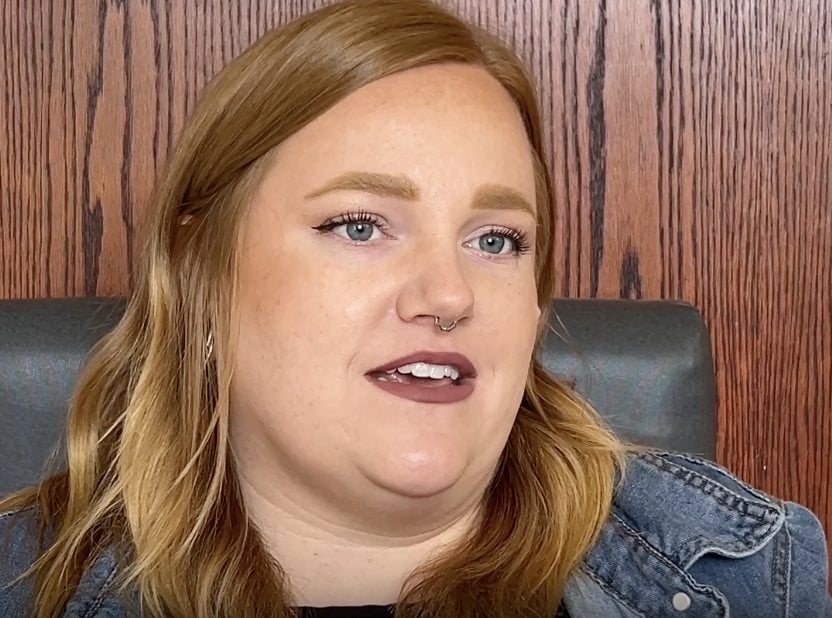
“You start as a kid. You throw a ball, and it hits the ground immediately. Or you swing the bat and the ball goes nowhere. Or you swing too far, and it hits the back of your leg,” says the international board-certified lactation consultant at OSF HealthCare. “It takes practice. It takes a lot of learning.”
In other words, babies have the reflexes to open their mouths wide and smell and feel for nourishment, but they might not be good at getting the end result. The child can latch to the breast one day and be too tired the next day. That can leave moms frustrated and even embarrassed. They might have waited their whole life to breastfeed, and now it’s not working. Why me?
Never fear, Anderson says. Whether you choose breastfeeding or formula feeding, experts have alternatives to get you through those first few days or weeks if “plan a” is a bumpy road.
- Spoon feeding: We hear about toddlers in the high chair getting spoon fed solid food. Here comes the airplane! But can it work with infants? Sort of, Anderson says.
“We can express that milk for mom. A lot of times we use hand expression, which is a very gentle way to do that. We do it right into a little plastic spoon. You hold the spoon up to baby’s mouth. They will stick their tongue out and kind of lap it up like a little puppy,” Anderson explains. “We’re not dumping it in their mouth and expecting them to swallow it. They need it in very small amounts to learn how to breathe while eating.”
- Cup feeding: It’s like spoon feeding but with a small medicine cup. Express the breastmilk into the cup, put the cup by the baby’s lower lip and let them lap up the nourishment.
- Dropper feeding: Express some breastmilk into a medicine dropper. Gently place the dropper in the corner of the baby’s mouth pointed toward their cheek, and squeeze out a tiny amount.
“They’re getting breastmilk while not having to drink from a bottle. That can, in little bits, give baby the strength they need to latch onto mom’s breast [in the future],” Anderson says.
- Supplemental nursing system (SNS): Anderson says there are many reasons to use an SNS. For one, babies who might latch well at the breast lack the energy to actually get milk out by suckling. Birth is tiring, and they are sleepy. With an SNS, the baby still latches onto the breast, but there is a very small tube taped to the breast, aligned with the nipple. This allows the parent to provide milk from a syringe connected to the other end of the tube.
“We can still have mom holding baby and baby latching at the breast. We push milk through the tube very slowly. Baby is still suckling at the breast but getting milk from the tube,” Anderson outlines. “We can supplement without needing a bottle if that’s the parents’ preference.”
Learn more
Anderson says these alternatives are typically seen in the first few days, and mom and baby get the hang of feeding after that. But if problems persist, you can always talk to a lactation consultant. The OSF HealthCare website also has information about having a healthy pregnancy and birth. OSF also offers virtual breastfeeding support.
More like this:





- Most Popular



- Top Stories



- Most Recent

- Sign In
- Home
- Video
- News
-
Weather
 Sponsored by Michael Ryan Exteriors - Roofing Professionals
 - Sports
- Obits
- Events
- Radio
- AP News
- Shop Local
- Classifieds
- Autos
- Real Estate
- Directory
Get the RiverBender App


Follow Us
Copyright © 2026 RiverBender.com All rights reserved.
primary