

Pritzker/Mendoza Issue Comments: Illinois Gets 11th Credit Rating Upgrade Under Gov. Pritzker
Moody’s upgraded Illinois’ general obligation bonds to A1, the state’s highest rating from the agency since 2011.

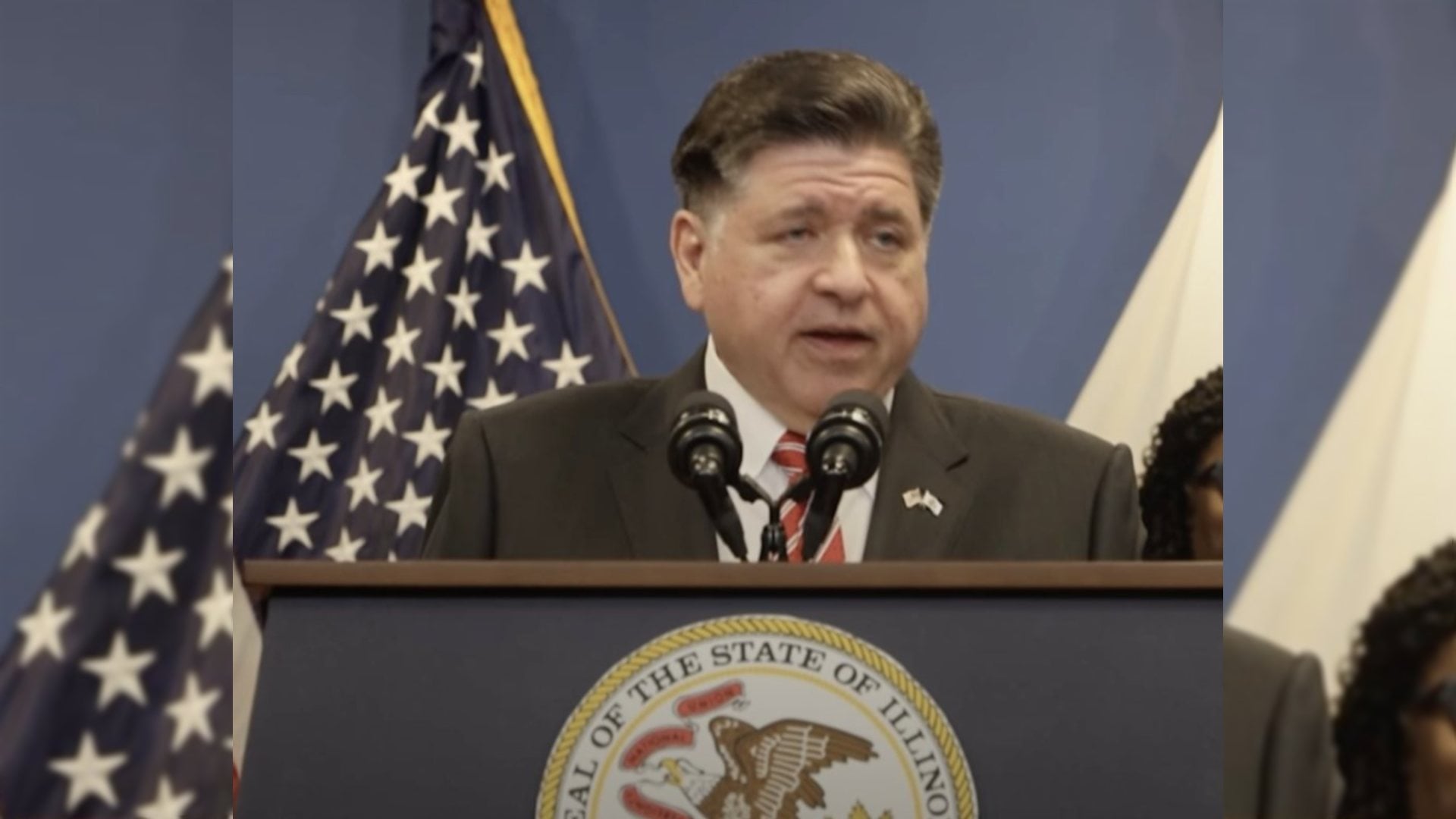
CHICAGO — Governor JB Pritzker today announced that Illinois has received its 11th credit rating upgrade since 2021, as Moody’s upgraded the State’s general obligation bonds to A1, Illinois’ highest Moody’s rating since December 2011 and the second upgrade from Moody’s in the last year.
Get The Latest News!
Don't miss our top stories and need-to-know news everyday in your inbox.
Moody’s cited Illinois’ sustained financial improvement and strengthened governance, as well as confidence in the State’s management team’s ability to navigate future challenges. The upgrade follows eight consecutive balanced budgets, including the latest budget, which held growth in discretionary spending below 0.5 percent. It also reflects the elimination of the bill backlog, growth of the rainy-day fund to nearly $2.5 billion, and new measures to reduce pension liabilities.
“Moody’s latest upgrade returns Illinois to its highest rating in nearly 15 years and reflects the tremendous financial progress we have made since taking office,” said Governor JB Pritzker. “With the General Assembly as a committed governing partner, we have moved Illinois from years of fiscal instability to its strongest financial position in decades. Even as the Trump Administration creates widespread economic uncertainty, we have doubled down on strengthening Illinois’ finances, saving taxpayers money, and securing a better financial future for our state.”
“Our administration's fiscal responsibility is once again being recognized with our 11th credit upgrade and our highest Moody’s rating in nearly 15 years,” said Lieutenant Governor Juliana Stratton. “We're ensuring a secure financial future for all — one more reason Illinois remains the best place to live, work, and raise a family.”
Before Governor Pritzker restored fiscal responsibility in Springfield, Illinois experienced 24 credit rating downgrades over 15 years, including eight downgrades between 2015 and 2017. The State’s unpaid bills reached nearly $17 billion, and Illinois had not received a credit rating upgrade in more than two decades. The rating of a state’s bonds is a measure of their credit quality. A higher bond rating generally means the state can borrow at a lower interest rate, saving taxpayers millions of dollars.
Since June 2021, Illinois has received 11 upgrades across the three major credit rating agencies: Moody’s Investors Service, S&P Global Ratings, and Fitch Ratings. The agencies have cited balanced budgets, stronger financial reserves, reduced debt, improved fiscal transparency, and progress addressing long-term liabilities as factors supporting the State’s improved financial standing.
This past legislative session, the State took additional steps to address its long-term pension obligations, including:
- Dedicating available surplus funds to pensions: Directing eligible Income Tax Refund Fund annual surpluses exceeding $150 million toward the State’s pension systems to help reduce long-term liabilities.
- Extending the pension acceleration program: Continuing the State’s pension buyout program through Fiscal Year 2028, allowing eligible participants to voluntarily receive accelerated pension benefit payments, while reducing the State’s long-term pension obligations.
Moody’s latest upgrade follows a series of meetings last week between members of the Pritzker administration and credit rating agencies to highlight Illinois’ continued fiscal progress ahead of the State’s next general obligation bond sale, planned for late September. Proceeds from the sale will support continued infrastructure investments through Rebuild Illinois and implementation of the State’s pension acceleration program.

Comptroller Susana Mendoza welcomes 11th credit upgrade
Comptroller Susana A. Mendoza offered this statement following Moody’s upgrade of Illinois’ 11th credit rating upgrade Wednesday:
I am so proud that Illinois is once again being recognized for its fiscal transformation. Today’s upgrade from Moody’s is another powerful vote of confidence in the fiscal progress Illinois has made.
In upgrading the state’s general obligation bonds to its highest rating in nearly 15 years, Moody’s cited Illinois’ continued reserve growth, the return to timely audited financial statements and a demonstrated pattern of conservative fiscal management.
Ten years ago, Illinois was synonymous with unpaid bills, budget gridlock and financial uncertainty. Today, we have a record Rainy Day Fund of more than $2.5 billion, we’ve eliminated the bill backlog, we’re managing our debt responsibly and we’re paying our bills faster than the private sector. That didn’t happen overnight, and it didn’t happen by accident.
Every credit upgrade matters because it can mean real savings for Illinois taxpayers. Just as a higher personal credit score helps individuals secure a lower interest rate on a home or auto loan, a stronger state credit rating allows Illinois to borrow at a lower cost—saving taxpayers money while helping fund vital infrastructure needs like roads, bridges and schools.
This is not the finish line. It’s another milestone. I’ll continue pushing for stronger reserves, responsible debt management and the kind of long-term fiscal discipline that will keep Illinois moving toward even higher credit ratings.
More like this:




- Most Popular



- Top Stories


- Most Recent