September 16 in Sports History: NHL Lockout, Champions League Debut and Record Baseball Nights
The date includes Jim Bottomley’s 12-RBI game, Warren Spahn’s first no-hitter, the launch of the UEFA Champions League and the start of the NHL lockout that wiped out the 2004-05 season.
This Day in Sports History: September 16
September 16 has produced pennant-clinching baseball, a record night in St. Louis, defining beginnings for professional football and European soccer, and one of modern North American sports’ most consequential work stoppages. The most far-reaching event connected to the date came in 2004, when the NHL lockout began and ultimately erased an entire season. But the day’s earlier history shows how individual performances and bold organizational changes can shape a sport for decades.
Get The Latest News!
Don't miss our top stories and need-to-know news everyday in your inbox.
In 1919, the Cincinnati Reds won the first National League pennant in franchise history, beating the New York Giants 4-3 at Redland Field. The victory assured Cincinnati of a place in the World Series and capped a dominant regular season. The Reds went on to defeat the Chicago White Sox in the best-of-nine World Series, five games to three, for the franchise’s first championship. That Series later became inseparable from the Black Sox scandal, but Cincinnati’s accomplishment should not be reduced to the controversy surrounding its opponent. The Reds had earned their opportunity with the league’s best record and claimed a milestone that still stands as a central chapter in the club’s history.
Five years later, September 16 delivered a performance that remains part of St. Louis Cardinals lore. First baseman Jim Bottomley drove in 12 runs against the Brooklyn Robins, now the Los Angeles Dodgers, in a 17-3 Cardinals victory. Bottomley went 6-for-6 and hit two home runs. His 12 RBIs set the major league record for a nine-inning game, a mark that stood alone until Cardinals outfielder Mark Whiten matched it in 1993. Bottomley, an Illinois native who became one of the anchors of the Cardinals’ championship clubs, later won the National League Most Valuable Player Award in 1928 and was elected to the Baseball Hall of Fame. The 1924 outburst remains one of the greatest single-game offensive displays in baseball history.
On September 16, 1937, Washington’s NFL franchise opened its first season in the nation’s capital after relocating from Boston. Playing under the lights at Griffith Stadium, Washington defeated the New York Giants 13-3. The season also introduced rookie quarterback Sammy Baugh, whose passing ability helped change how pro football offenses operated. Washington won the NFL championship that year, and Baugh became one of the sport’s foundational stars. The opening night mattered beyond one victory: It marked the start of professional football’s long tenure in Washington and came during an era when the forward pass was becoming a central weapon rather than a change-of-pace play.
Another major pro football statement arrived on September 16, 1950. The Cleveland Browns, champions in each of the All-America Football Conference’s four seasons, made their NFL debut against the defending league champion Philadelphia Eagles. Many observers questioned whether the Browns’ AAFC success would translate against NFL competition. Cleveland answered immediately with a 35-10 victory. The result helped validate the quality of the rival league and began a remarkable run for coach Paul Brown’s club. Cleveland won the NFL championship in its first season and captured league titles again in 1954 and 1955. Its opening-night rout of Philadelphia remains one of the clearest examples of a new entrant proving it belonged on the largest stage.
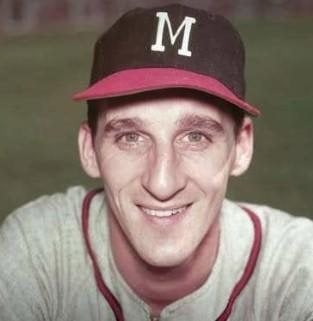
Milwaukee Braves left-hander Warren Spahn added another lasting entry to the date on September 16, 1960. At 39, Spahn threw the first no-hitter of his Hall of Fame career, beating the Philadelphia Phillies 4-0 at County Stadium. He struck out 15, walked two and retired the final 14 hitters he faced. The win was his 20th of the season, adding to a résumé that would make him the winningest left-handed pitcher in major league history. Spahn threw another no-hitter the following April, only days after turning 40. His 1960 masterpiece remains a reminder that his effectiveness and competitiveness endured long after most pitchers of his era had retired.
Soccer entered a new commercial and competitive era on September 16, 1992, when the first matches were played in the newly rebranded UEFA Champions League. The competition grew out of the European Champion Clubs’ Cup, but its new format brought a group stage and a distinct identity that became the standard for elite club soccer in Europe. Rangers and Marseille played a 2-2 draw in one of the opening matches. Marseille ultimately won that inaugural Champions League season, defeating AC Milan in the final. In the years that followed, the tournament became club soccer’s most prominent annual international competition, gathering leading teams and players from across Europe before a global audience.
The date’s most consequential modern milestone came on September 16, 2004, when the NHL locked out its players after the league and NHL Players’ Association failed to reach a new collective bargaining agreement. The dispute centered largely on the league’s effort to install a salary cap. Negotiations did not produce a deal in time to save the season, and the NHL canceled the entire 2004-05 schedule. It remains the only major North American professional sports league season lost in full to a labor dispute. When the NHL returned in 2005-06, it did so with a salary cap and a series of rules intended to increase pace and scoring. The shutdown was painful for players, teams, arena workers and fans, but its settlement reshaped the league’s business model and on-ice product.
From Bottomley’s unforgettable afternoon in St. Louis to Spahn’s no-hitter in Milwaukee, September 16 illustrates the range of sports history. Some moments provide an immediate record or a championship path. Others, such as the Browns’ NFL arrival, the Champions League’s first day and hockey’s season-ending lockout, signal larger changes that affect how sports are played, organized and remembered.
More like this:
- Most Popular



- Top Stories


- Most Recent