Sept. 18 in Music History: Hendrix Dies as Black Sabbath’s ‘Paranoid’ Arrives
This date links Jimi Hendrix’s death in 1970 with the U.K. release of Black Sabbath’s ‘Paranoid,’ alongside milestones from the Beatles, Kiss, the Who and Alicia Keys.
This Day in Music History: Sept. 18, Hendrix’s Lasting Echo and a Heavy-Metal Turning Point
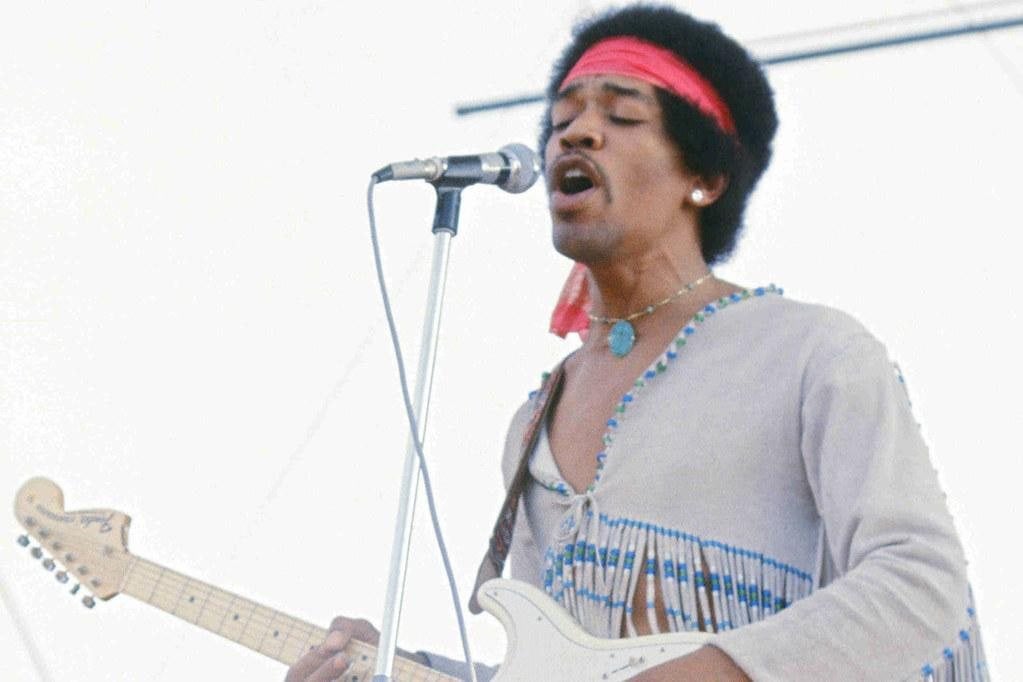
Sept. 18 carries one of rock music’s sharpest reminders of both possibility and loss. On this date in 1970, Jimi Hendrix died in London at 27, ending a recording and performing career that had transformed the electric guitar in only a few years. Hendrix brought blues language, R&B rhythm, studio experimentation and sheer volume into a new vocabulary that musicians across rock, jazz, funk and metal would draw from for decades. The date is made even more striking because Black Sabbath released Paranoid in the United Kingdom that same day, a record that helped establish the looming riffs and social unease of heavy metal. Sept. 18 is therefore a day when music history records an irreplaceable departure and a powerful new direction.
Get The Latest News!
Don't miss our top stories and need-to-know news everyday in your inbox.
Two years earlier, on Sept. 18, 1968, the Beatles recorded “Birthday,” a Lennon-McCartney song that would appear on the group’s self-titled double album, commonly called the White Album. The track was a deliberate return to direct, hard-driving rock and roll amid sessions that also produced acoustic ballads, experimental tape work and the noise collage “Revolution 9.” “Birthday” opens the third side of the double LP, released that November. Its compact guitar riff, handclaps and celebratory chorus have helped it outlive its original album context as a perennial party record. More importantly, the session reflects the Beatles’ late-period range: even while expanding the idea of what a pop album could hold, the band could still make a lean, physical rock song.
On Sept. 18, 1970, Hendrix’s death closed a remarkable chapter in modern music. With the Jimi Hendrix Experience, he made recordings including Are You Experienced, Axis: Bold as Love and Electric Ladyland, using fuzz, feedback, distortion, panning and other studio techniques as expressive parts of the music rather than decorative effects. His performance of “The Star-Spangled Banner” at Woodstock also showed how an instrumental interpretation could carry political and emotional force. Hendrix had continued recording with bassist Billy Cox and drummer Mitch Mitchell in 1970 and was working toward a planned double album. The unfinished project underscored how much music remained ahead of him. Yet the recordings he left behind permanently broadened expectations for guitarists, producers and listeners.
Across the Atlantic on that same date, Black Sabbath issued Paranoid, its second album, in the United Kingdom. The Birmingham quartet of Ozzy Osbourne, Tony Iommi, Geezer Butler and Bill Ward packed the record with the title song, “War Pigs,” “Iron Man,” “Planet Caravan” and other tracks that blended blues-rooted hard rock with ominous atmosphere and stark themes. The fast title track was written when the group needed another song for the album, but it became one of Sabbath’s defining recordings. Paranoid did not arrive in U.S. stores until January 1971, where it became a major success. Its down-tuned weight, memorable riffs and focus on war, fear and alienation provided a durable blueprint for metal, while its variety also showed that heaviness could include swing, melody and space.
On Sept. 18, 1978, Kiss took an unusual commercial and artistic gamble: Paul Stanley, Gene Simmons, Ace Frehley and Peter Criss each released a self-titled solo album on the same day. The four records were presented as a coordinated Kiss event, with related artwork and a major label campaign, but they let the musicians step beyond the sound and roles of the group. Stanley stayed closest to arena-ready hard rock; Simmons ranged through rock, pop and theatrical material; Criss emphasized ballads and R&B influences; and Frehley brought a guitar-centered approach that produced his version of “New York Groove.” The project remains an example of a major act turning individual identities into a shared release strategy. It also gave listeners a clearer view of how different the personalities behind Kiss could be.
The Who completed five consecutive nights at Madison Square Garden in New York on Sept. 18, 1979. The final show capped a run that began Sept. 13 and marked a significant moment for a band rebuilding after the death of drummer Keith Moon the previous year. Kenney Jones had joined the group on drums, while keyboardist John “Rabbit” Bundrick also helped reshape its concert sound. The Garden stand demonstrated that the Who could return to large American stages while carrying forward a legacy built on explosive live performance. It also came during a transitional year that included the Quadrophenia film and the release of The Kids Are Alright documentary and soundtrack. For the band, the concerts were both a continuation and a reset.
More recently, Sept. 18, 2020, brought Alicia Keys’ seventh studio album, ALICIA. Released during the COVID-19 pandemic, the 15-song record featured collaborations with Jill Scott, Khalid, Miguel, Snoh Aalegra, Tierra Whack, Sampha and Diamond Platnumz. Its arrival was paired with a livestream performance rather than a conventional touring launch, an approach shaped by the suspension of large live gatherings. Songs including “Underdog,” “Good Job” and “Perfect Way to Die” connected personal reflection with work, resilience and public grief. The album’s release illustrates another change in the music business: artists were finding ways to make an album launch feel immediate and communal even when audiences could not gather in the same room. From the Beatles’ studio to Hendrix’s innovations, Sabbath’s thunder, Kiss’ four-way experiment and Keys’ digital-era release, Sept. 18 traces the many ways musicians have remade the possibilities of recorded sound.
More like this:




- Most Popular



- Top Stories



- Most Recent