
How Sept. 21 Became a Landmark Date in Music History
From a post-9/11 national telethon to milestones for Holst, Jelly Roll Morton, ABBA, Nirvana and Nine Inch Nails, Sept. 21 marks a wide span of music history.
This Day in Music History: Sept. 21
Music has often provided a public language in moments when ordinary speech falls short. That was especially clear on Sept. 21, 2001, when America: A Tribute to Heroes brought performers, actors and competing television networks together just 10 days after the terrorist attacks of Sept. 11. The two-hour, commercial-free telethon was carried by the major broadcast networks and dozens of cable outlets, with a radio simulcast that reached thousands of stations. Bruce Springsteen, U2, Neil Young, Stevie Wonder, Alicia Keys, Tom Petty, Willie Nelson and many other artists performed from candlelit stages in New York, Los Angeles and London. The program raised money for the United Way’s September 11 Telethon Fund and later received a Peabody Award and two Emmy Awards. Its importance went beyond fundraising: It showed how live music could create a shared national space for mourning, reflection and resolve.
The earlier Sept. 21 milestones tell a longer story of how music travels: from English concert halls to Chicago recording rooms, from carefully selected pop catalogs to alternative rock albums that demanded to be heard as complete works.
On Sept. 21, 1874, Gustav Holst was born in Cheltenham, England. Holst would become one of Britain’s most recognizable composers, largely because of The Planets, his seven-movement orchestral suite written during the years surrounding World War I. The work was not conceived as a soundtrack for astronomy; each movement reflects the astrological character associated with a planet. Still, its bold brass writing, driving rhythms and striking orchestral colors have made it a lasting reference point for concert music, film scoring and popular culture. “Mars, the Bringer of War,” in particular, remains a vivid example of how a repeating rhythmic figure can generate enormous tension. Holst also spent much of his life teaching, including a long tenure at St. Paul’s Girls’ School in London, where he wrote much of his best-known music. His career joined composition, education and curiosity about musical traditions beyond Western Europe.
Chicago became the setting for another important chapter on Sept. 21, 1926, when Jelly Roll Morton and His Red Hot Peppers recorded “Sidewalk Blues,” “Dead Man Blues” and “Steamboat Stomp.” Morton, a New Orleans-born pianist, composer and arranger, brought musicians including Kid Ory, Johnny St. Cyr, Omer Simeon and George Mitchell into sessions that balanced written structure with the spontaneity audiences expected from jazz. The Red Hot Peppers recordings helped demonstrate that jazz could be shaped with intricate ensemble arrangements, contrasting sections, breaks and featured solos without losing its dance-floor energy. The date also carries a meaningful Illinois connection. Chicago’s recording industry preserved performances by New Orleans musicians who had followed the music north, helping make the city a central crossroads in the development and documentation of early jazz. The results still offer listeners a clear picture of the sound, humor and collective invention of the Jazz Age.
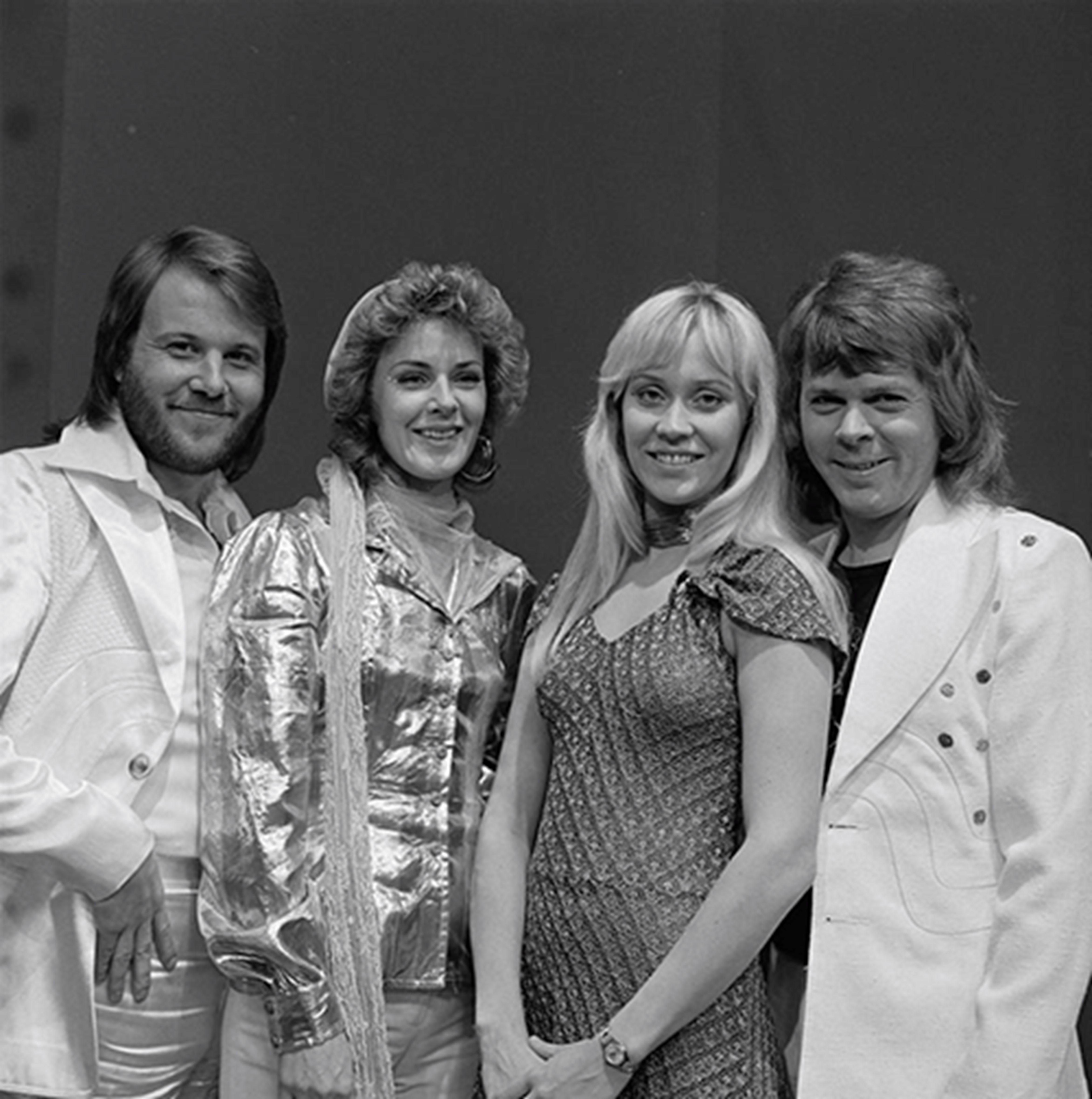
On Sept. 21, 1992, ABBA released ABBA Gold, a 19-track collection that gathered many of the Swedish group’s defining songs, including “Dancing Queen,” “Mamma Mia,” “The Winner Takes It All,” “Take a Chance on Me” and “Waterloo.” Compilation albums can sometimes function as summaries, but ABBA Gold became something more consequential: a widely available doorway into a catalog that had been eclipsed in some markets after the group stopped recording together. The collection’s sleek sequencing emphasized ABBA’s range, from disco-ready pop to layered ballads and theatrical storytelling. Its continuing chart life and sales made it one of the most durable greatest-hits albums of the modern era. Just as importantly, it helped introduce ABBA to younger listeners well before the group’s music gained new visibility through the stage musical and film versions of Mamma Mia!.
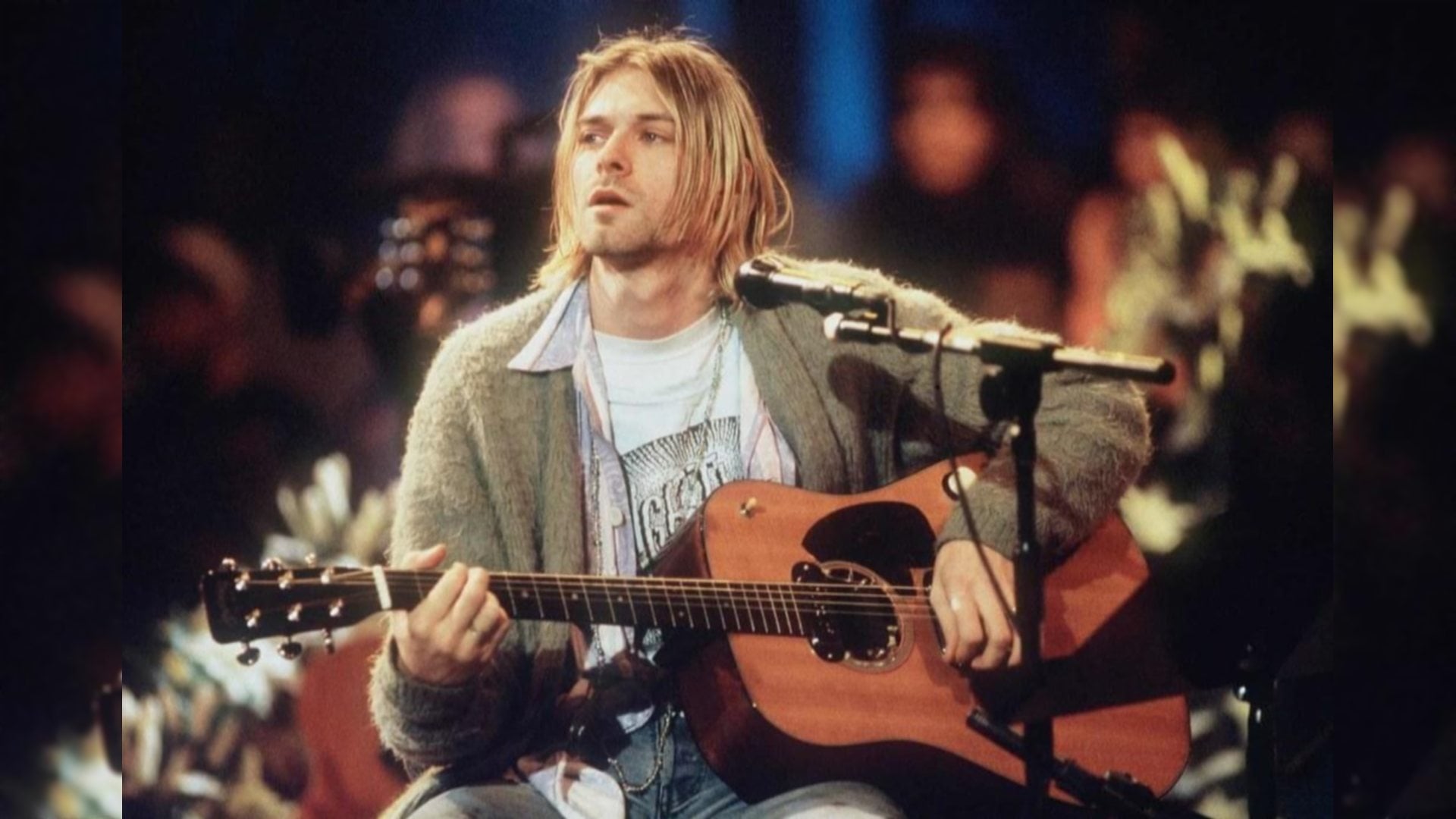
One year later, on Sept. 21, 1993, Nirvana released In Utero. The album arrived after Nevermind had transformed the band from a Northwest underground group into one of the biggest acts in rock. Rather than repeat that album’s polished breakthrough sound, Nirvana made a more abrasive, restless record with producer Steve Albini. Songs such as “Heart-Shaped Box,” “Rape Me” and “All Apologies” carried the band’s melodic strength but framed it with rawer textures and sharper emotional turns. The release became a major cultural event because it tested whether a band identified with alternative rock could retain its unease and independence while facing enormous commercial expectations. In Utero reached a mass audience without smoothing away all of its contradictions, and it remains a defining document of 1990s rock.
Sept. 21 also marked the 1999 arrival of Nine Inch Nails’ The Fragile, Trent Reznor’s first full-length studio album in five years. Issued as a 23-track double album, it expanded the group’s industrial-rock palette with piano passages, electronic ambience, dense guitar layers and abrupt shifts between fragility and force. Its scale mattered in an era increasingly focused on radio singles: Reznor presented the record as a long-form listening experience, with recurring musical ideas and a carefully paced emotional arc. The Fragile opened at No. 1 on the Billboard 200, confirming that challenging, darkly textured music could still command a large audience. Over time, its influence has been heard in rock, electronic music and film-score work, a field Reznor would later enter extensively with collaborator Atticus Ross.
Together, these Sept. 21 events show music history as more than a timeline of hits. Holst widened the colors of the orchestra. Morton and the Red Hot Peppers captured jazz at a crucial point in its growth, with Chicago serving as an essential recording hub. ABBA’s compilation proved that a great catalog can find new generations. Nirvana and Nine Inch Nails used albums to confront the pressures of fame and form. And in 2001, artists used the reach of broadcast technology to offer consolation on a national scale. Each milestone reflects a different kind of connection: between musicians in a studio, performers and audiences, past songs and new listeners, and a country turning to music when it needed a way to speak.
More like this:


- Most Popular



- Top Stories


- Most Recent