Why Costumes Mean More Than What We Wear
From theater and festivals to protest and play, costumes use shared symbols to express identity, belonging and power.
Why Costumes Have Meaning
A crown made of cardboard can change the way a room treats someone. Put it on a child, and other children may bow, laugh, or challenge the new “ruler.” Nothing about the child’s actual power has changed. Yet one simple object has created a role, a story, and a set of expectations. That is what makes costumes meaningful: they do more than cover the body. They invite people to see — and sometimes behave — differently.
Get The Latest News!
Don't miss our top stories and need-to-know news everyday in your inbox.
Costumes connect appearance with identity. They can express belonging, preserve traditions, challenge authority, or let someone explore a side of themselves that ordinary clothing keeps hidden. Their meaning comes not only from what the wearer intends, but also from what other people recognize.
Clothing That Tells a Story
A costume is usually clothing worn to represent a character, role, idea, or identity for a particular occasion. The boundary between costume and everyday dress, however, is not always clear.
A firefighter’s protective clothing is work equipment, not a costume. But when an actor wears a replica onstage, it becomes part of a performance. The appearance signals courage, public service, and danger, even before the actor speaks.
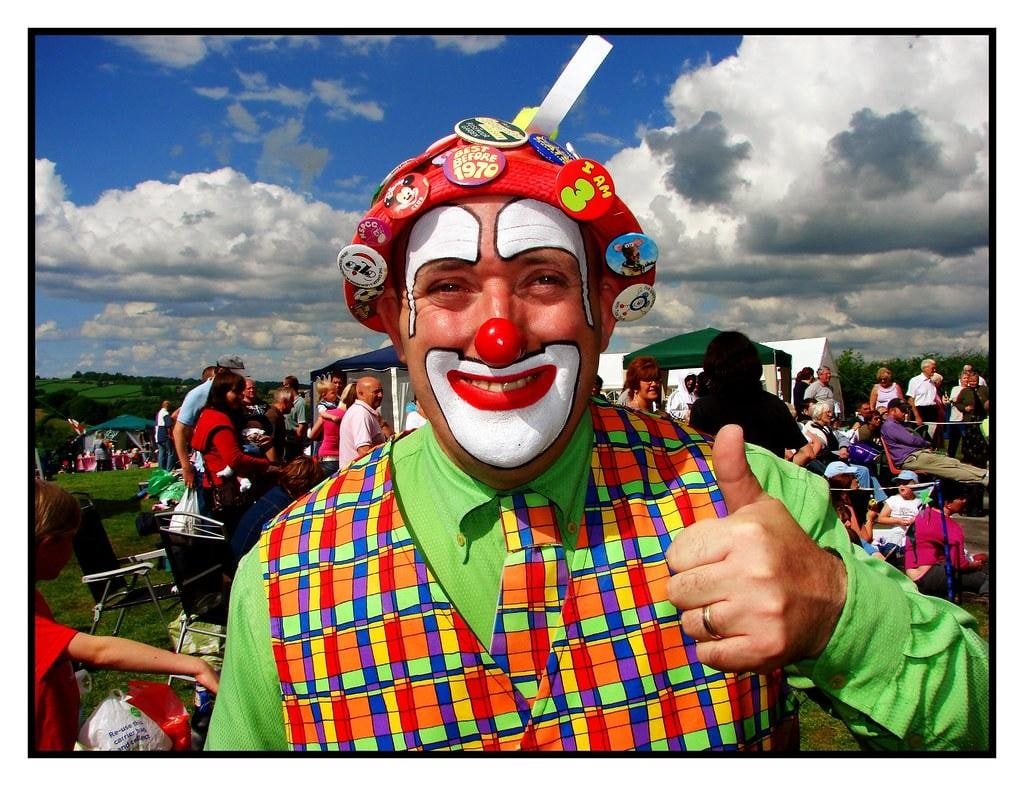
This works because people learn to read clothing as a kind of visual language. A cape might suggest a superhero. A patched coat and exaggerated shoes may suggest a clown. A carefully recreated historical outfit places a character in another era.
These signals are not universal. They depend on shared knowledge. Someone unfamiliar with a film may see an unusual outfit where a fan sees a beloved character. Costume meaning is built between the wearer and the viewer.
Why People Began Dressing as Someone Else
Costumes have deep roots in ritual, celebration, and storytelling. In different societies, people have used special clothing, masks, paint, and headpieces to mark occasions outside ordinary life.
In ancient Greek theater, performers used masks that helped audiences recognize characters and their roles. In various religious and community traditions, ceremonial dress has distinguished participants and connected an event to shared beliefs.
These practices did not all serve the same purpose. A theatrical mask, a sacred garment, and a festival disguise may look similar to an outsider, but their meanings can be very different.
What they share is a change of context. Special dress announces that something unusual is happening. The wearer may be entering a story, taking on a responsibility, or participating in a tradition.
That basic function remains familiar. A child’s school-play costume separates the performer from the student. A mascot suit turns an individual into the public face of a team.
The Freedom of Becoming Someone Else
Costumes create room for experimentation. Someone who feels shy in ordinary clothes may find it easier to speak boldly while dressed as a fictional hero. A person who rarely draws attention might enjoy an elaborate outfit at a convention.
This does not mean costumes automatically transform personality. They can, however, change expectations. If everyone understands that a person is playing a role, unusual behavior may feel less risky.
The expression “wearing many hats” captures a related idea. We use it to describe someone who moves between responsibilities, such as parent, manager, volunteer, and friend. A literal costume makes that shift visible.
Disguise can also provide distance from everyday identity. Behind a mask, a wearer may feel freer to joke, dance, or perform. That freedom can be positive, but it does not remove responsibility. Being “in character” is not an excuse to mistreat others.
Belonging, Celebration, and Shared Memory
Some costumes matter because they connect people to a group.
At fan conventions, cosplay — dressing as a character from entertainment — can turn admiration into a social experience. A stranger recognizes a carefully made outfit, starts a conversation, and a shared interest becomes a connection. The costume says, “This story matters to me.”
Festival clothing can create a similar bond on a larger scale. Elaborate costumes at Carnival celebrations, including those in Brazil and the Caribbean, may express creativity, local identity, and community pride. Their details can also reflect histories of cultural exchange and resistance.
Not every form of special dress should be called a costume. Clothing worn as part of a living cultural or religious tradition may be meaningful everyday or ceremonial attire, rather than dress-up. Calling it a costume can suggest that someone’s identity is merely a performance.
A useful rule is to follow the language used by the people who wear it. Ask what the clothing means rather than assuming its purpose from its appearance.
When Costumes Challenge Power
Costumes are not always playful. They can make a public statement.
In protest, people sometimes dress as recognizable fictional characters or figures associated with authority. The outfit turns a complicated argument into an image that others can quickly understand. It may communicate fear, criticism, solidarity, or satire.
Comedy uses costume in a similar way. An exaggerated royal robe can make a powerful character look ridiculous. A performer dressed as an ordinary worker may expose the gap between official promises and daily experience.
The phrase “the emperor has no clothes” comes from Hans Christian Andersen’s tale about a ruler deceived into believing he is wearing magnificent garments. It describes a situation in which people avoid acknowledging an obvious truth. The story shows how closely clothing, status, and public agreement can be linked—even when the clothing is imaginary.
Why Context Changes the Meaning
The same outfit can be welcomed in one setting and troubling in another.
A historical military uniform may serve an educational purpose in a museum demonstration. Worn at a party without explanation, it may be read as admiration for the regime it represents. Intention matters, but viewers also bring their own knowledge and experiences.
This is why choosing a costume involves more than asking whether it looks convincing. Some outfits reduce a culture to a stereotype. Others turn sacred symbols or painful experiences into entertainment.
Thoughtful choices begin with a few questions:
- Am I representing a specific character, or generalizing about a whole group?
- Does this item have religious or ceremonial importance?
- Could the costume suggest approval of something I do not support?
- Can I explain my choice respectfully?
These questions do not eliminate creativity. They help make it more informed.
Learning to Read the Details
To understand a costume, look beyond the most obvious feature. Color, materials, condition, and accessories all help tell the story.
In a film, a character’s worn shoes may suggest hardship. A spotless uniform may communicate discipline—or an effort to appear in control. A handmade superhero outfit can reveal affection and resourcefulness just as clearly as an expensive replica.
Notice how the wearer moves, too. Clothing can encourage certain gestures, while a performer’s posture gives the outfit meaning. A crown alone suggests royalty; a hesitant walk beneath it might suggest someone uncomfortable with power.
Costumes make visible something people do less openly every day: present versions of themselves through appearance. Their meaning lies in the meeting of imagination, shared symbols, and human experience. Looking closely at them reveals more than who someone is pretending to be. It can show what they value, where they feel they belong, and which stories they want others to see.
More like this:





- Most Popular



- Top Stories


- Most Recent