
How Autumn Colors Shape Mood, Memory and Meaning
Autumn’s reds, oranges, yellows and browns can evoke different feelings depending on personal memories, cultural associations and the setting.
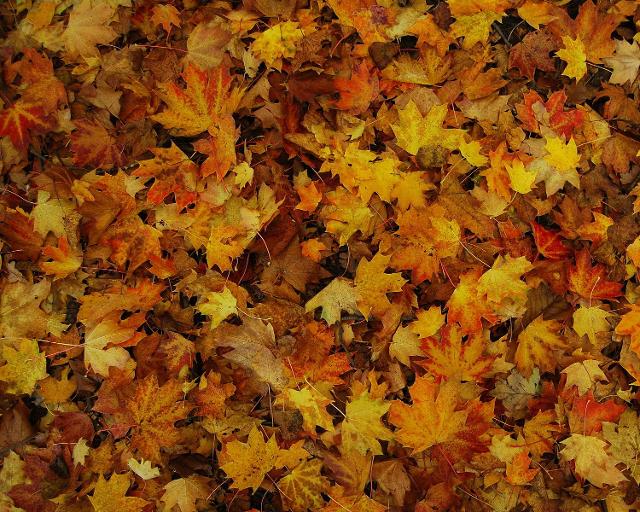
The same red can make a warning sign feel urgent and a maple leaf feel comforting. Color does not carry one fixed emotional message. Its effect depends on where we see it, what surrounds it, and the memories we bring to it. That helps explain why autumn’s reds, oranges, yellows, and browns can feel cheerful to one person and quietly sad to another.
Get The Latest News!
Don't miss our top stories and need-to-know news everyday in your inbox.
These colors appear in parks, clothing, shop displays, and home decorations. They can draw our attention, stir familiar associations, and change how a space feels. But their influence is more subtle than the popular idea that each color produces a predictable emotion.
Why Leaves Become a Different Palette
Autumn color begins with a change inside leaves. During the growing season, chlorophyll—the pigment that helps plants use sunlight—makes leaves look green. As daylight decreases and temperatures shift, many trees stop replacing it. The green fades, revealing yellow and orange pigments that were already present.
Some trees also produce red pigments during this process. Brown becomes more visible as leaves age and break down. The exact display depends on the tree species and local conditions.
This explanation matters because the emotional experience comes partly from contrast. A familiar green street suddenly becomes gold or crimson. Even a routine walk can offer something unexpected. That change may encourage us to look up from our phones and notice our surroundings.
Warm Colors Can Feel Lively—or Overwhelming
Red, orange, and yellow are often called warm colors because they bring to mind fire, sunlight, and heat. In autumn landscapes, they can create a sense of energy against darker branches or gray pavement.
A bright yellow tree may make a street seem more inviting. Orange cushions can make a plain living room feel lively. A deep red scarf may add a bold note to an otherwise neutral outfit.
Still, it is too simple to say that yellow causes happiness or red creates excitement. Research on color and emotion finds associations, but those associations vary with context, culture, and personal experience. Brightness and intensity matter too.
A vivid orange wall may feel stimulating, while a muted rust-colored blanket feels restful. One person enjoys a room filled with strong colors; another finds it tiring. The amount of color, not just the shade, helps shape the response.
Earthy Shades Can Suggest Comfort
Brown, tan, ocher, and muted gold often connect autumn colors with familiar materials: wood, leather, dried grasses, and clay. These associations can make a setting feel grounded and comfortable.
Think of a café with wooden tables, amber lighting, and terracotta mugs. Its welcoming atmosphere does not come from color alone. Texture, lighting, smell, sound, and social experience all contribute. Yet the palette helps give those elements a consistent mood.
Designers and retailers often use these shades to suggest warmth and ease. A shop display combining copper, cream, and brown may encourage customers to imagine a comfortable home.
That does not mean earthy colors are automatically soothing. A dark brown room with poor lighting might feel gloomy rather than cozy. Balance and personal preference remain important.
Memory Gives Color Its Emotional Meaning

For many people, autumn colors are tied to specific experiences. Golden leaves may recall walks with a grandparent. Orange decorations may bring back childhood festivals. A burgundy sweater might remind someone of returning to school.
These links can trigger nostalgia: a mixture of pleasure, longing, and sometimes sadness. The feeling is not necessarily unpleasant. Remembering a meaningful experience can strengthen a sense of connection, even when that experience is no longer available.
Color rarely acts alone in these moments. The smell of leaves, the sound of footsteps, or a familiar food may bring the memory into focus. Together, these details can make an ordinary scene emotionally rich.
Someone who associates autumn with loneliness or a difficult anniversary may respond very differently to the same palette. There is no correct way to feel about it.
Culture Shapes the Colors We Notice
Autumn colors carry meanings that extend beyond individual memory. Harvest traditions often feature gold, orange, and brown alongside grain, fruit, and other symbols of abundance. These combinations can suggest gratitude, shared meals, and the rewards of work.
In the United States, orange pumpkins and dark Halloween decorations connect the palette with both playfulness and fear. The same orange can feel welcoming in a harvest display and eerie beside a carved face.
In Japan, momijigari, often translated as “autumn leaf viewing,” refers to outings to appreciate colorful foliage. The tradition gives changing leaves a role in shared enjoyment and reflection.
Language also influences expectations. Calling later life someone’s “autumn years” links the season with maturity and change. Such expressions can encourage us to see autumn beauty as temporary, making it feel both precious and slightly melancholy.
These meanings are learned, not universal. People raised in different climates or traditions may have different associations—or few at all.
A Colorful Walk Offers More Than Color
A walk among changing leaves may improve mood, but it is difficult to separate the colors from everything else happening during the outing. You may also be moving your body, getting daylight, taking a break from work, or spending time with someone you enjoy.
Research generally supports the idea that spending time in natural settings can benefit well-being. It does not establish that autumn foliage alone reliably creates a particular emotional effect.
Still, colorful leaves provide an appealing reason to go outside. They also offer an easy focus for attention. Looking for shades of gold or noticing the pattern of a red leaf can briefly interrupt repetitive thoughts.
This distinction matters when mood becomes persistently low. Reduced daylight can contribute to seasonal changes in mood for some people. Attractive colors may offer pleasure, but they are not a treatment for depression or seasonal affective disorder.
Notice What the Palette Does for You
You do not need a decorating plan or a special outing to explore your response to autumn colors. Start with small observations.
- Compare settings. Does bright foliage feel energizing, while muted indoor colors feel calming?
- Notice memories. Ask what a particular shade reminds you of before deciding that the color itself caused the feeling.
- Try small changes. A cushion, mug, scarf, or photograph can introduce a color without overwhelming a space.
- Look beyond the palette. Consider whether lighting, noise, company, or fatigue is shaping your reaction.
- Allow mixed feelings. Beauty and sadness can exist together. A bittersweet response does not mean something is wrong.
Autumn colors do not control our emotions like switches. They work more like invitations: to notice a place, recall a memory, or pause over something changing. Their influence lies in the meeting between what we see and what we have lived. Paying attention to that connection can make even a single bright leaf feel meaningful.
More like this:



- Most Popular



- Top Stories



- Most Recent