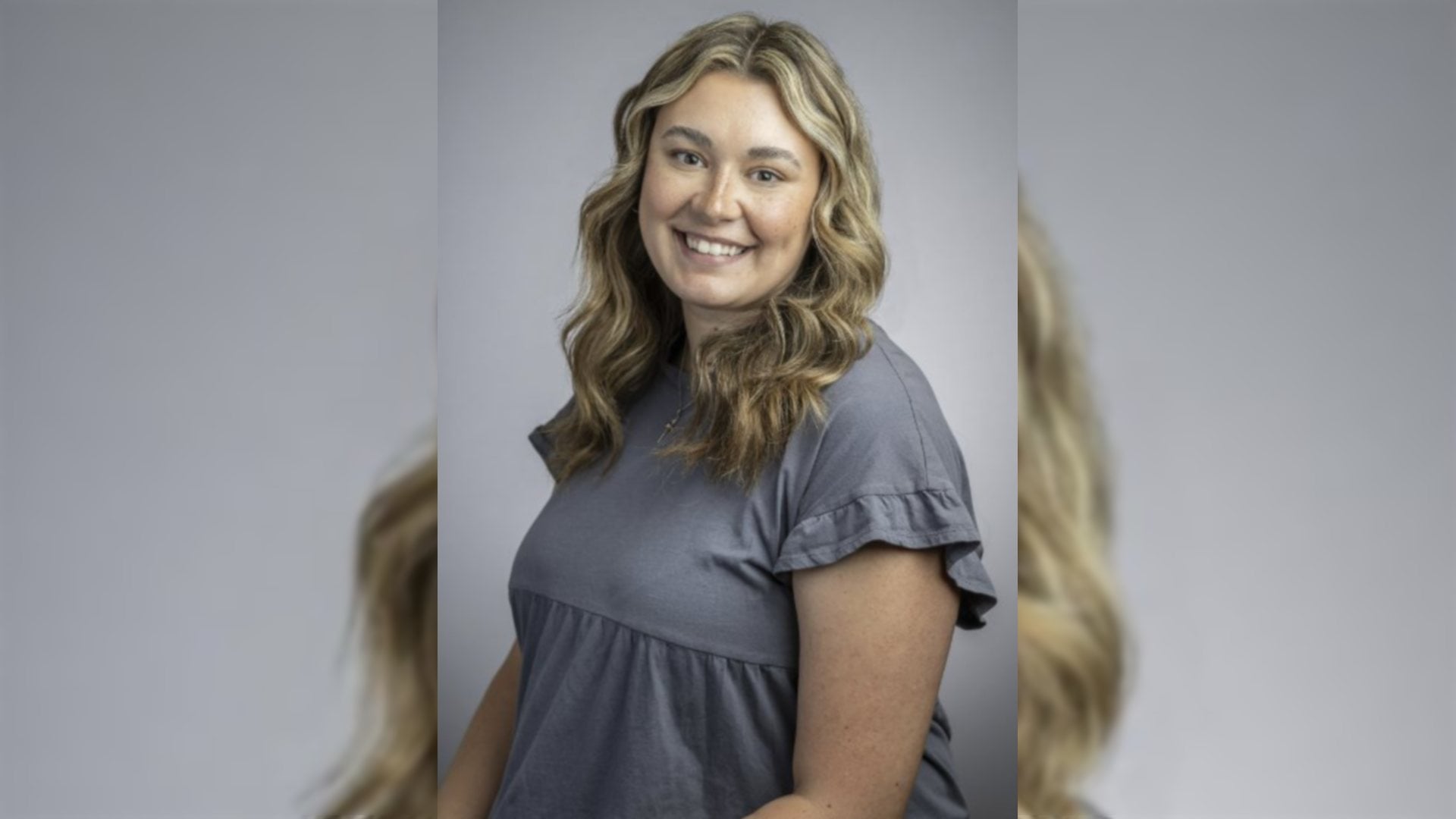

Cancer Survivors Face Emotional Challenges Long After Treatment Ends
For many survivors, finishing treatment marks another stage of healing. An OSF HealthCare nurse explains why emotional support remains essential as daily life changes.
There are more than 18 million cancer survivors in the United States.
October is National Breast Cancer Awareness Month. Across the country, stories will be shared, fundraising walks will be held, and just like every month, more women will be diagnosed with breast cancer. For survivors, it’s also a time of reflection and continuing to live ‘a new normal,’ post-cancer.
Get The Latest News!
Don't miss our top stories and need-to-know news everyday in your inbox.
When it comes to cancer, most people think about physical pain that is often associated with a diagnosis. But the emotional toll that comes with this serious disease can many times be just as devastating.
Those feelings can include fear, denial, anger, sadness and more. And the wave of emotions tends to change hourly, daily and even minute to minute. A cancer diagnosis now becomes all-consuming for both the person and perhaps loved ones as well.
And that can remain true even after the cancer has come and gone.
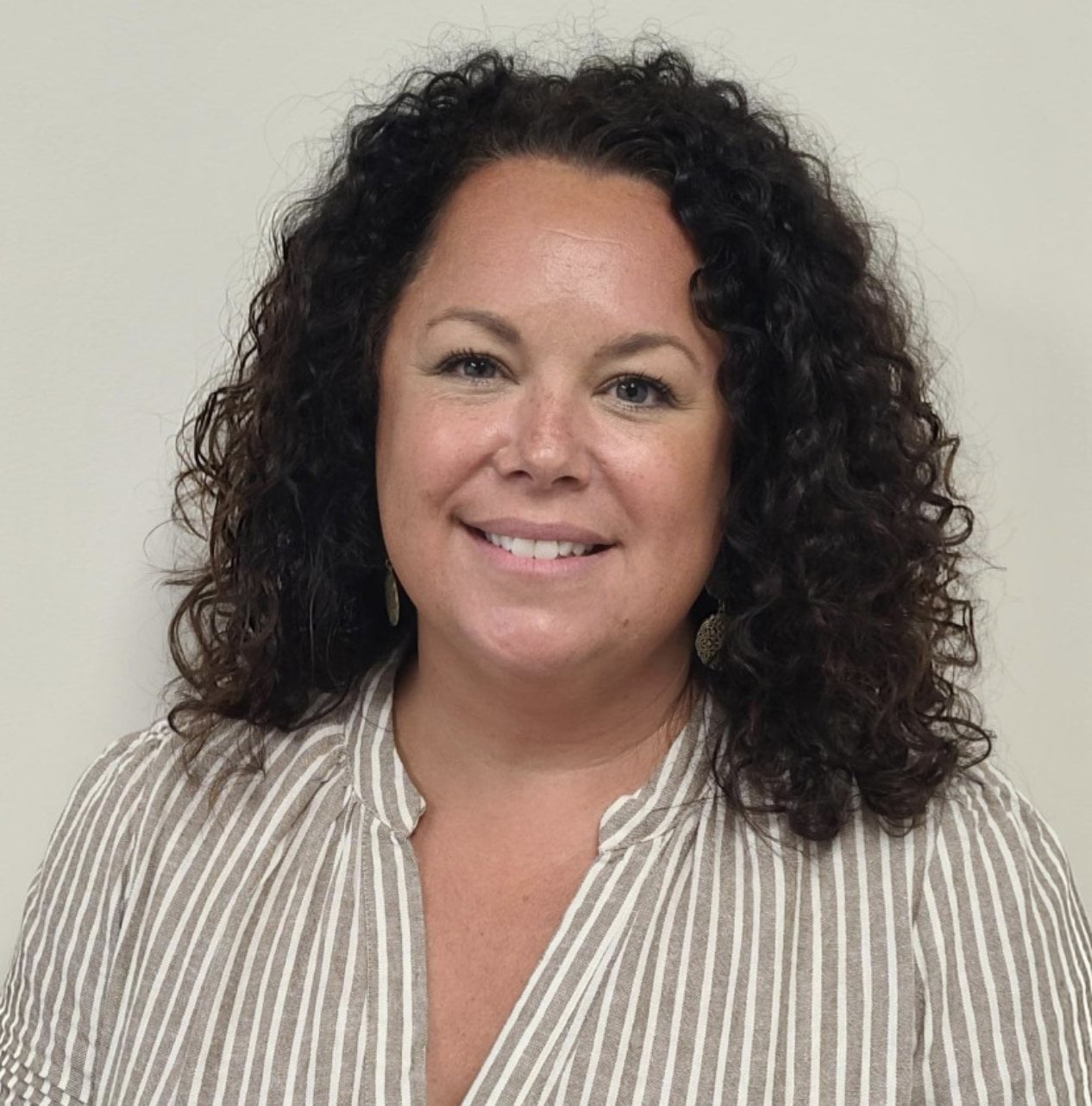
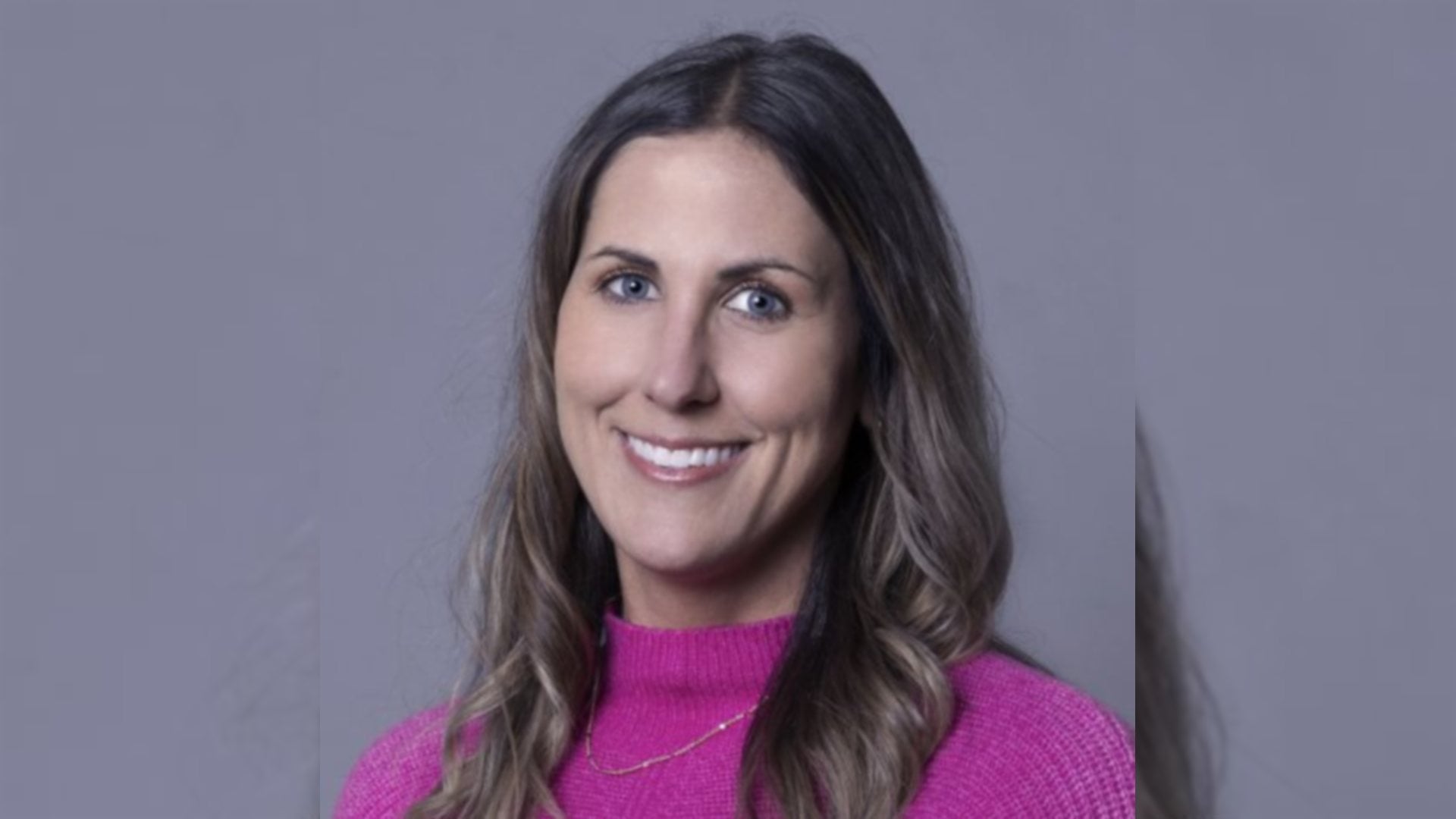
“Life after a diagnosis completely turns your life upside down,” says Nicole Wagner, an oncology nurse navigator for OSF HealthCare. “It's really hard to find your footing; hard to find your bearings. It's hard to find something solid to hold on to after something like [a cancer diagnosis].”
Wagner encourages people to find ways to cope with their emotions. For example, build a support group of people you feel comfortable talking to. Find ways to relax, such as meditation, guided imagery and exercise. Choose when and how to talk about your cancer.
If you find that you’re still struggling emotionally, it might be time to seek help. Start by speaking to your doctor or someone you can confide in.
Support groups are helpful for survivors currently going through treatment. But they are also invaluable for people post-cancer. Wagner says newly diagnosed patients can learn significant lessons sitting alongside other survivors who are years removed from their own diagnosis.
“Maybe there are things we hold back from our family because we don't want them to worry,” says Wagner. “[A support group] is a safe place to share and be able to talk to someone who knows exactly how you’re feeling.”
Wagner says it’s natural to have a fear of recurrence of cancer. But it’s also crucial to give yourself time to heal after treatment. Try not to dwell on your cancer experience, she says. But if you do feel like something’s not right, remember to check in with your medical team.
“It’s important to focus on the things you can control. Cancer takes control of things that you wish it hadn't,” says Wagner. “And I think focusing on the things you can control, like getting your rest, being with loved ones, friends, family, singing, whatever brings you joy, being in nature, those are things we can control.”
Some people will adapt slowly to life without any more appointments or treatments. Many survivors have been involved in active care for weeks, months or longer. So, what now? Wagner encourages survivors to stay busy, whether that’s returning to work or finding new activities such as hobbies, exercise or re-entering social circles you were a part of before your cancer diagnosis.
And continue to accept any support that comes your way.
“I think there is a tendency to want to rush right back to your old life – or what looks like normal,” Wagner says. “I think it's important for families to remember that too. Once we get through treatment, it isn't over. There's still a lot of healing to do, and a lot of support is needed.”
For more information on cancer care, including treatments, patient education and support services, visit OSF HealthCare.
More like this:

- Most Popular

- Top Stories



- Most Recent