

How Trick-or-Treating Turned Mischief Into a Candy Tradition
The familiar Halloween doorstep ritual grew from overlapping traditions of souling, guising and neighborhood mischief, then took shape in North America.

“Trick or treat” sounds like a playful greeting, but it contains a bargain: give us something, and we will leave your house alone. That bargain helps explain how an activity linked to begging, disguise, and neighborhood mischief became a familiar children’s tradition. The route from prayers for the dead to bags of candy was not direct. It took centuries of changing customs—and a major reshaping in North America—to create the doorstep ritual we recognize.
Before Candy, There Were Offerings and Disguises
Trick-or-treating has no single inventor or clear starting date. Its history draws on several traditions that developed separately and later overlapped.
Get The Latest News!
Don't miss our top stories and need-to-know news everyday in your inbox.
One important background is Samhain, a festival observed in early medieval Ireland, with related traditions elsewhere in the Gaelic world. It marked the transition from the harvest period into winter and carried strong associations with the supernatural. Later folklore described this boundary as a time when spirits or otherworldly beings might come close to human life.
Popular accounts sometimes claim that children began trick-or-treating during Samhain by dressing as ghosts and collecting food. The evidence does not support such a neat origin story. Samhain helps explain some of Halloween’s supernatural character, but modern door-to-door candy collecting cannot be traced directly to one ancient Celtic practice.
Christian observances also shaped the holiday. All Saints’ Day, or All Hallows’ Day, falls on November 1, followed by All Souls’ Day on November 2. “Halloween” comes from “All Hallows’ Eve,” the evening before All Saints’ Day. Customs surrounding these dates brought remembrance of the dead together with food, charity, and visits to neighbors.
Souling: Food in Exchange for Prayers
In parts of medieval and early modern Britain, people went “souling.” They visited homes and asked for food, often receiving small baked goods known as soul cakes. In return, they offered prayers for the household’s dead relatives.
The exchange made sense within Christian beliefs of the period. Prayers were understood to help departed souls, while giving food was an act of charity. Poor adults and children could both take part, though customs varied by place and time.
Souling offers a recognizable parallel to trick-or-treating: someone knocks, makes a customary request, and receives something to eat. Yet the purpose was different. A soul cake was not simply an early candy bar. It belonged to a religious exchange involving the living and the dead.
Songs sometimes accompanied the visits. Like the familiar phrase “trick or treat,” a repeated verse told the householder what was happening and what response was expected.
Guising: A Treat Had to Be Earned
Another important tradition was “guising,” a name derived from “disguising.” In Scotland and parts of Ireland, people dressed in costume and visited homes, especially around Halloween.
Guisers often performed to earn their reward. A child might sing, recite a poem, tell a joke, or do a small trick before receiving fruit, nuts, coins, or food.
This is one of the clearest links between older customs and modern trick-or-treating. Both involve costumes, neighborhood visits, and gifts. The main difference is the performance. Modern trick-or-treaters generally need only say the expected words, rather than entertain the household.
Versions of guising still survive. A child asked to tell a joke before receiving a treat is participating in something closer to that older tradition than to the usual North American candy handout.
These similarities do not prove that one custom simply turned into another. They show a shared pattern: disguise made a visit special, while a small exchange gave the encounter its purpose.
Mischief Helped Shape the Modern Ritual
European immigrants carried Halloween customs to North America, where they mixed with local celebrations and neighborhood traditions. By the late nineteenth and early twentieth centuries, Halloween in many communities had become strongly associated with pranks.
Some were minor annoyances, such as hiding objects or moving outdoor furniture. Others involved property damage and dangerous behavior. Newspapers, schools, civic groups, and local officials debated how to control the trouble.
Organized parties, parades, games, and supervised activities offered alternatives. Giving children treats during neighborhood visits also fit this broader effort to turn disorder into a manageable social event.
Still, trick-or-treating was not created by one official campaign to stop vandalism. It developed unevenly, with older visiting customs, children’s games, and local responses to mischief all playing a part.
The phrase itself preserves that tension. “Trick or treat” turns a threat into a joke, with both sides generally understanding that the visitor is asking for hospitality rather than making a serious demand.
When “Trick or Treat” Appeared in Print
Some of the earliest documented uses of the phrase come from western Canada in the 1920s. A widely cited newspaper report from Blackie, Alberta, in 1927 described young visitors demanding “trick or treat” and receiving edible rewards.
That report does not mark a certain invention date. Spoken customs often exist before anyone records them, and similar activities may have used different names. It does show that the phrase and the exchange were recognizable in a Canadian community by that point.
During the 1930s, trick-or-treating spread more widely in the United States. Its growth was interrupted by World War II, when sugar rationing limited sweets.
After the war, the practice expanded rapidly. More families lived in neighborhoods where children could walk from house to house. Newspapers, radio, television, and cartoons helped make the ritual familiar. Candy companies promoted their products for Halloween, reinforcing a custom already gaining ground.
How Candy Became the Expected Treat
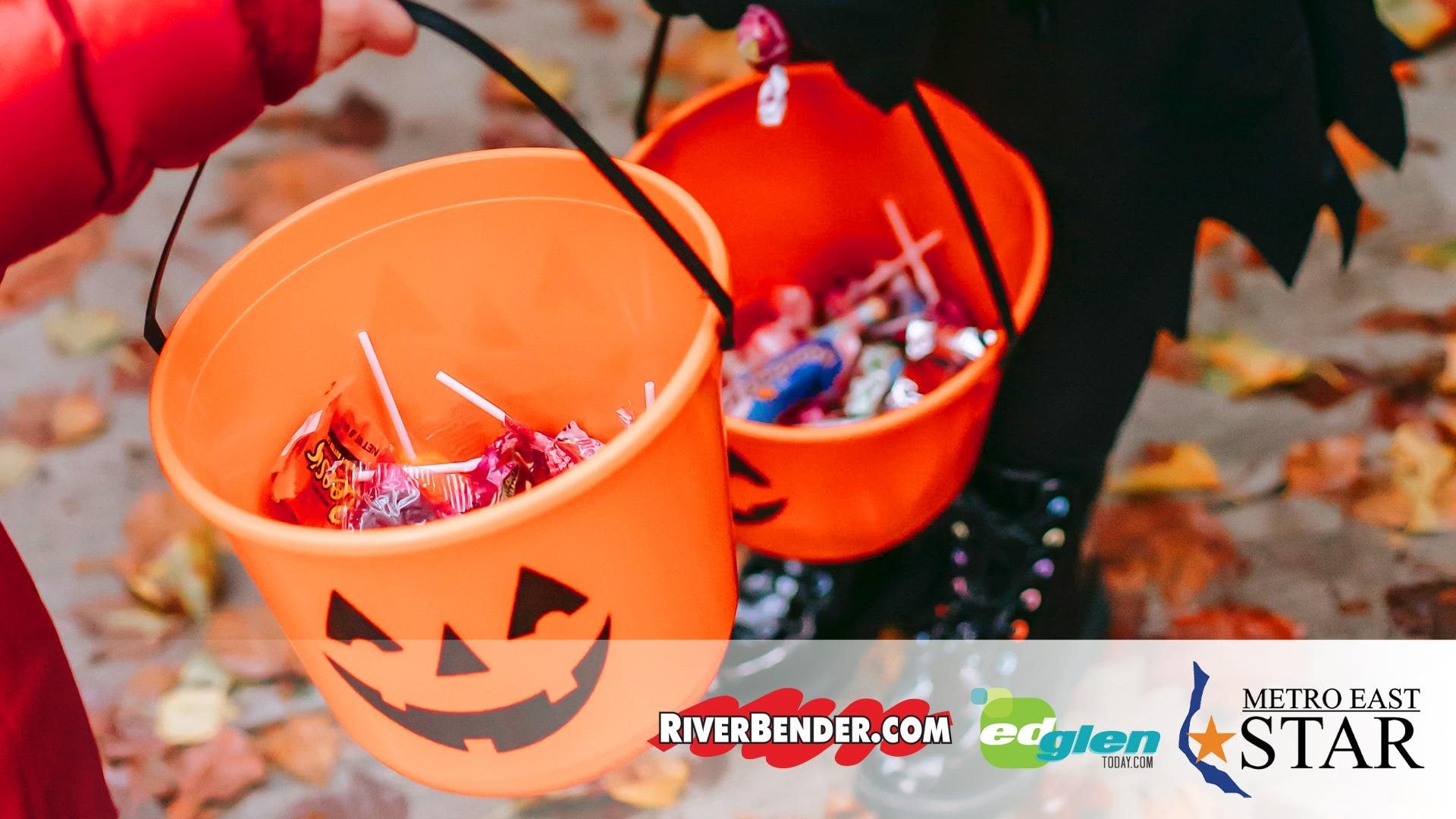
Early trick-or-treaters did not necessarily come home with bags of branded sweets. Households might offer apples, nuts, cookies, popcorn, coins, or homemade treats.
Commercial candy gradually gained an advantage. It was easy to buy, store, count, and hand out. Small portions suited a stream of visitors, while individual wrappers reduced handling.
Concerns about food tampering also encouraged families to favor sealed products. Those fears often spread far beyond the evidence. Researchers examining Halloween candy scares have found that stories about strangers poisoning treats were frequently unsupported or misleading.
Even so, the anxiety influenced behavior. Homemade food became less welcome in many communities, and checking candy became a household ritual.
A modern candy bowl therefore reflects more than a taste for sugar. It also shows the influence of advertising, convenience, packaging, and trust.
A Tradition That Keeps Changing
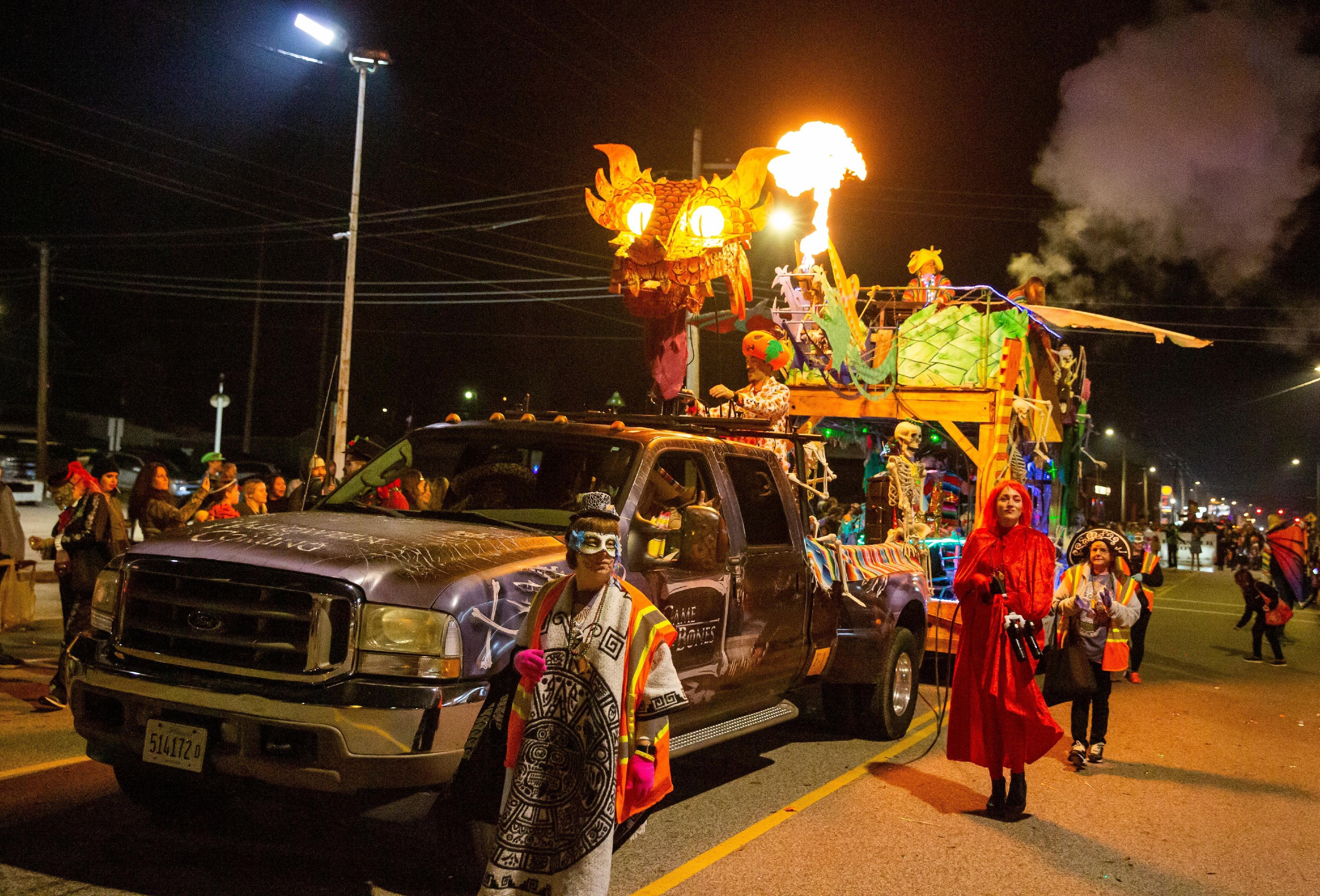
Trick-or-treating continues to adapt. Apartment buildings may organize visits between floors. Shopping centers host candy giveaways. “Trunk-or-treat” events gather decorated vehicles in one location, often offering an option where homes are far apart or walking routes are difficult.
Small details still carry echoes of older customs. Costumes preserve the pleasure of disguise. A porch light often signals that visitors are welcome. Allergy-aware treats and non-food gifts adjust the exchange to meet different children’s needs.
The history of trick-or-treating is less a straight line from an ancient festival than a story of people repeatedly reshaping a useful idea: visit your neighbors, step outside ordinary behavior, and exchange something small. Beneath the costumes and candy lies a brief act of cooperation—one that turns a doorstep into a place of shared play.
More like this:


- Most Popular



- Top Stories


- Most Recent