This Day in Music History: Oct. 17, From ‘Hair’ to ‘The River’
From Elvis Presley’s “Jailhouse Rock” premiere to Naomi Judd’s retirement announcement, Oct. 17 marks milestones across rock, soul and country music.
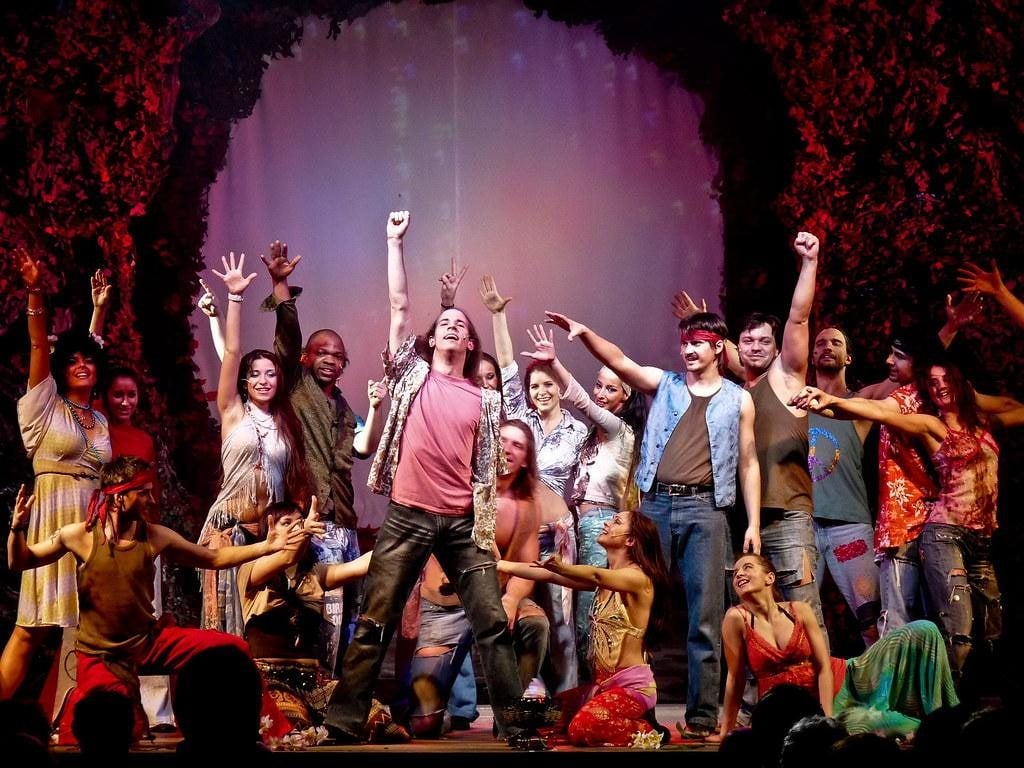
Rock music found a new kind of stage on Oct. 17, 1967, when “Hair” opened at Joseph Papp’s Public Theater in New York. The production brought the sound and concerns of the counterculture into musical theater, helping change what an American musical could be about and how it could sound. On this date in 2026, that opening stands alongside milestones in rock film, soul, concert performance and country music.
The day’s story begins a decade earlier, on Oct. 17, 1957, when Elvis Presley’s “Jailhouse Rock” premiered in Memphis, Tennessee. His third movie put a rising rock star inside a story about the music business itself. Presley played Vince Everett, a young man who discovers his musical ability in prison, pursues a recording career and struggles with the effect of success on his relationships. The Memphis premiere preceded the film’s nationwide release in November.
Get The Latest News!
Don't miss our top stories and need-to-know news everyday in your inbox.
The film’s importance extended beyond its plot. Its title song, written by Jerry Leiber and Mike Stoller, captured Presley’s forceful early rock sound, while the movie preserved the physical presence that made him such a disruptive figure in 1950s entertainment. A critical essay preserved by the Library of Congress identifies “Jailhouse Rock” as a particularly revealing document of both Presley’s emergence and the growing cultural power of teenagers. It joined a hit recording to a screen image audiences could see as well as hear.
Ten years later, “Hair” opened off-Broadway on Oct. 17, 1967, as the first production in the Public Theater’s new year-round home. James Rado and Gerome Ragni wrote the book and lyrics, and Galt MacDermot composed the music. Papp’s decision to produce the show placed an unconventional rock musical at the center of a new theatrical institution rather than treating it as a novelty outside the established theater world.
Its young characters, opposition to the Vietnam War and challenges to conventional social rules made the show part of the debate surrounding the counterculture. After further development, “Hair” opened on Broadway on April 29, 1968. The distinction matters: Oct. 17 marks its original Public Theater opening, not its Broadway debut. Its journey from that downtown production to Broadway helped establish rock as a language capable of carrying a full theatrical work, not simply supplying an occasional song.
On Oct. 17, 1969, Led Zeppelin brought a different kind of rock theater to New York’s Carnegie Hall. The band’s official archive documents two performances, scheduled for 8:30 p.m. and midnight, at the start of its autumn North American tour. The engagement placed the British group in one of America’s best-known concert halls during a year of rapid growth for the band.
The listed repertoire mixed material from the group’s early performances with songs associated with its second album, including “Heartbreaker,” “What Is and What Should Never Be” and “Moby Dick.” The archive’s contemporary reviews describe enthusiastic audiences and an extended response at the late show. The concerts captured Led Zeppelin building its reputation through live performance, with instrumental showcases and a heavier sound that stretched well beyond the limits of a short pop single.
On Oct. 17, 1970, the Jackson 5 reached a milestone that was more than another week atop a chart. “I’ll Be There” began a five-week run at No. 1 on the Billboard pop singles chart. Following “I Want You Back,” “ABC” and “The Love You Save,” it completed a remarkable opening sequence: The group’s first four Motown singles all reached No. 1.
The achievement established the brothers as a major new force in popular music rather than a group with one breakthrough hit. “I’ll Be There” also became an enduring part of the Motown catalog. The Recording Academy later recognized the recording with induction into the Grammy Hall of Fame in 1999, as it did “I Want You Back” that same year. Those honors underline how the Jackson 5’s early records outlasted the extraordinary chart streak that first announced their arrival.
On Oct. 17, 1980, Bruce Springsteen released “The River” through Columbia Records. Across 20 songs, the double album balanced exuberant band numbers with darker accounts of adult responsibility and disappointment. “Sherry Darling,” “Out in the Street” and “Cadillac Ranch” shared space with “Independence Day,” “Stolen Car” and the title track. The breadth was central to the record: Celebration and uncertainty were not separate subjects but parts of the same musical world.
“Hungry Heart” gave Springsteen a Top 10 single, while the album reached No. 1 on the Billboard 200 in November. The release expanded his commercial reach without abandoning the more troubled stories that gave his songwriting its weight.
Finally, on Oct. 17, 1990, Naomi Judd announced her impending retirement from performing. Her chronic hepatitis brought a major country partnership toward an unexpected pause while the Judds were still enjoying success. Naomi and daughter Wynonna undertook a farewell tour that ended with a televised concert on Dec. 4, 1991. Wynonna then launched a solo recording career, while later reunions showed that the announcement had closed a sustained chapter of their work together, not erased their musical bond.
More like this:
- Most Popular


- Top Stories

- Most Recent