Duckworth, Gillibrand, Schiff Press The FDA On Plan To Mitigate Estrogen Patch Shortage
The senators say supply disruptions have affected nearly 20 estrogen patch formulations and are asking the FDA about steps to address the shortage.
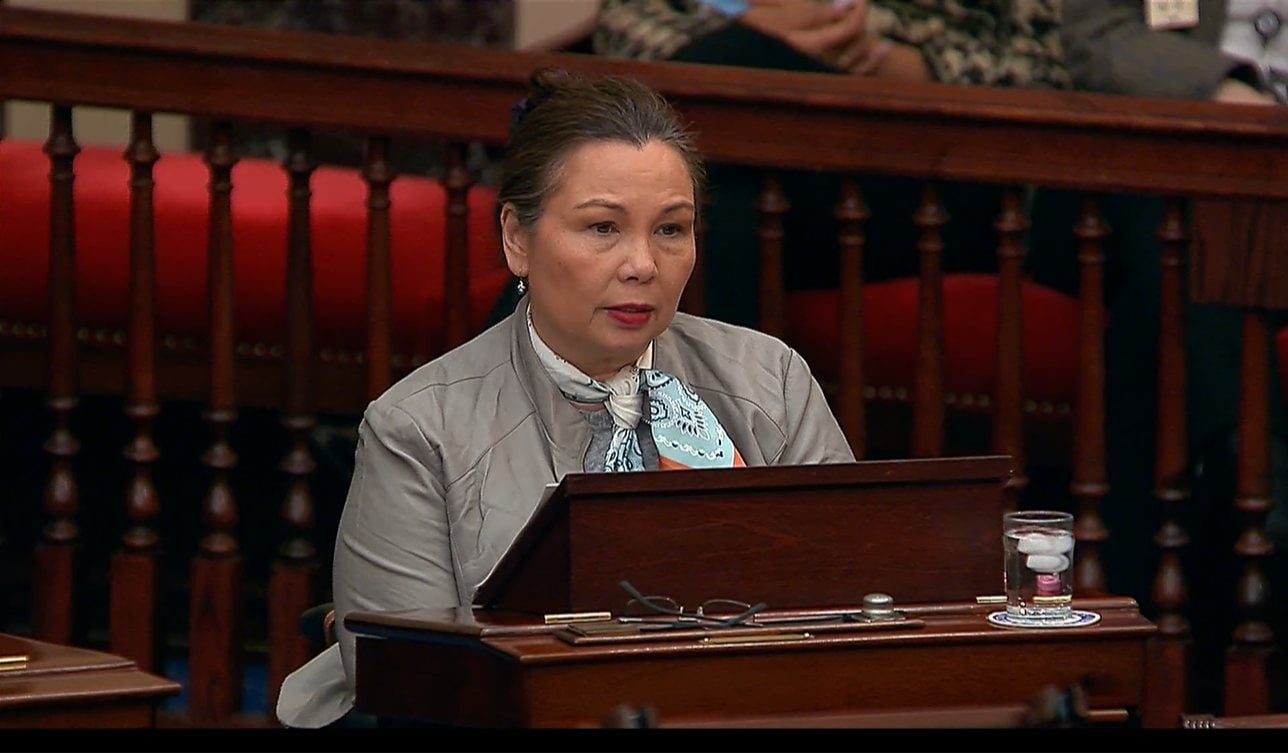 WASHINGTON, D.C. – U.S. Senator Tammy Duckworth (D-IL) joined U.S. Senators Kirsten Gillibrand (D-NY) and Adam Schiff (D-CA) in pressing the Food and Drug Administration (FDA) on its plan to mitigate the estradiol transdermal patch shortage, which is making it harder for women to manage symptoms of menopause. In the Senators’ letter, the group underscored that estradiol transdermal patches are the clinically preferred, first-line treatment for managing menopause symptoms like hot flashes and night sweats. However, over the last year, the drug supply chain has failed to meet increased demand for estradiol patches, leaving thousands of women to navigate administrative chaos and, in some cases, ration or discontinue use of the patches.
In the letter, the Senators wrote: “It has become clear that the pharmaceutical supply chain has failed to adequately respond to this surge in demand. Reports from the American Society of Health-System Pharmacists (ASHP) indicate that nearly 20 distinct estrogen patch formulations have been severely impacted by supply disruptions over the last calendar year. As a result, thousands of women are struggling to navigate administrative chaos—bouncing between competing pharmacy chains, transferring prescriptions between locations, switching formulation brands, or resorting to stretching doses or splitting patches. In some cases, patients have been forced to discontinue this effective therapy altogether.”
The full text of the letter is available on Senator Duckworth's website and below:
Dear Acting Commissioner Diamantas,
We write to express concern regarding the ongoing widespread shortage of transdermal estradiol patches. On September 16, 2026, the Senate Special Committee on Aging held a hearing highlighting the systemic menopause care gap in the United States. During the hearing, the Committee heard testimony from researchers, providers, and patients who detailed how unpredictable access to transdermal estradiol over the past year has disrupted care for hundreds of thousands of American women.
Estradiol transdermal patches represent the clinically preferred, first-line treatment for menopausal symptom management, and estrogen hormone therapy remains the single most effective intervention for severe vasomotor symptoms, including hot flashes and night sweats. The FDA’s November 2025 removal of boxed warnings on hormone replacement therapies (HRT) for menopause management was a positive step in increasing access to safe, effective care. However, this regulatory shift, coupled with increased awareness and research, surged demand for HRT among menopausal women, resulting in a dramatic year-over-year increase in prescriptions nationwide.
It has become clear that the pharmaceutical supply chain has failed to adequately respond to this surge in demand. Reports from the American Society of Health-System Pharmacists (ASHP) indicate that nearly 20 distinct estrogen patch formulations have been severely impacted by supply disruptions over the last calendar year. As a result, thousands of women are struggling to navigate administrative chaos—bouncing between competing pharmacy chains, transferring prescriptions between locations, switching formulation brands, or resorting to stretching doses or splitting patches. In some cases, patients have been forced to discontinue this effective therapy altogether.
While we acknowledge the FDA’s update on September 3, 2026 addressing the estradiol patch supply, the Committee remains concerned about the Agency’s delay in addressing this crisis and has additional questions regarding remedial steps to ensure patients can access effective therapies. Unfortunately, it took four months of inquiry for the FDA to issue basic advice telling patients to contact their pharmacist or speak with their healthcare provider. Passive monitoring and generic advice fail to adequately mitigate a nationwide manufacturing deficit.
To ensure the FDA is exercising its full statutory authority to alleviate this crisis, we request written responses to the following questions no later than November 16, 2026:
- What criteria must the disruptions in estradiol patches meet for the FDA to declare an official estradiol patch shortage on the official Drug Shortage Database, unlocking emergency regulation tools?
- What metrics is the FDA using to monitor manufacturer capacity for transdermal estradiol products, and when did the Agency’s staff first identify an imbalance between national demand and production volume?
- The September 2026 update notes that the FDA is working closely with manufacturers to ensure supply of estradiol patches keeps pace with demand. What remedial steps has the FDA taken since the shortage was first identified to increase supply long-term?
- What is the baseline volume of production from late 2025 compared to current capacity?
- When do you anticipate that production will meet full market demand?
- How many prior-approval submissions for new manufacturing lines, expanded batch sizes, site additions, specialized equipment, or other production expansion requests related to estradiol patches has the FDA received since November 2025?
- What is the average review time for these expedited requests?
- Did FDA drug shortage staff forecast market impacts following the removal of the black box warning on HRT to prepare for the surge in demand?
- Given that scaling transdermal delivery manufacturing involves complex machinery and long lead times, what interim regulatory tools is the FDA considering to address the immediate deficit?
- Will this involve temporary allowance of supplies from countries not previously approved for import? If so, will FDA perform expedited site inspections for previously unexamined overseas manufacturing facilities?
- Why did the FDA require four months of formal inquiry to issue basic patient guidance, and what concrete steps is the Agency taking to improve real-time public messaging and inventory reporting during active drug shortages?
- How many staff currently work on identifying and mitigating drug shortages at FDA? How many employees are specifically focused on remedying the estradiol patch shortage?
- What policies is the FDA implementing to check major labeling updates, boxed warning removals, or updated clinical guidelines with national supply chain forecasting to prevent similar drug shortages following updated regulatory guidance?
- Does the FDA’s Center for Drug Evaluation and Research (CDER) perform supply chain impact reviews prior to issuing major safety labeling changes like removing boxed warnings?
Thank you for your prompt attention to this urgent women's health priority. We look forward to receiving your response and working together to investigate this issue.
More like this:




- Most Popular



- Top Stories



- Most Recent