Why the Anticipation of Halloween Is Part of the Fun
Costume planning, decorations and neighborhood rituals can make the weeks before Halloween as enjoyable as the celebration itself.

A cardboard box becomes a robot, a front porch becomes a haunted house, and an ordinary shopping list suddenly includes fake spiders. Halloween has not arrived, yet it is already changing how people see familiar things. That is the power of anticipation: a single celebration can create weeks of imagination, planning, and shared excitement.
Halloween offers more than one night of costumes and candy. For many people, its appeal begins with choosing a character, spotting the first decorations, or deciding how frightening a movie night should be. The waiting is not simply a delay before the main event. It is a meaningful part of the experience.
Get The Latest News!
Don't miss our top stories and need-to-know news everyday in your inbox.
Why Looking Forward Feels So Good
Anticipation gives the mind something enjoyable to explore. Before Halloween, people picture possible experiences: a successful costume reveal, a party with friends, or a child’s first trip around the neighborhood. These imagined moments can bring pleasure before anything actually happens.
The preparations also create small rewards along the way. Finding the right hat at a thrift store or finishing a paper skeleton provides a sense of progress. Instead of depending on one evening to deliver all the fun, people spread their enjoyment across many smaller moments.
There is uncertainty, too. Will anyone recognize the costume? Which house will have the most elaborate display? Will the homemade decorations survive the evening? When the stakes are low, not knowing can make an event more exciting.
That helps explain why the anticipation sometimes feels better than Halloween itself. The imagined celebration has endless possibilities. The real one must fit into a few hours.
How Old Traditions Shaped the Build-Up
Halloween’s history helps explain its mix of excitement, mystery, and preparation. Some of its roots are linked to Samhain, a Gaelic festival marking the end of the harvest and the beginning of winter. Historical accounts and later folklore connect this period with beliefs about spirits and the boundary between the living and the dead.
Christian observances also shaped the celebration. The name “Halloween” comes from “All Hallows’ Eve,” the evening before All Saints’ Day on November 1. Over time, religious observances, local customs, and folk traditions influenced one another.
Modern Halloween did not emerge from a single ancient practice unchanged. It developed through many communities and generations. Irish and Scottish immigrants helped carry customs to North America, where activities such as costume parties, neighborhood visiting, and pumpkin carving took new forms.
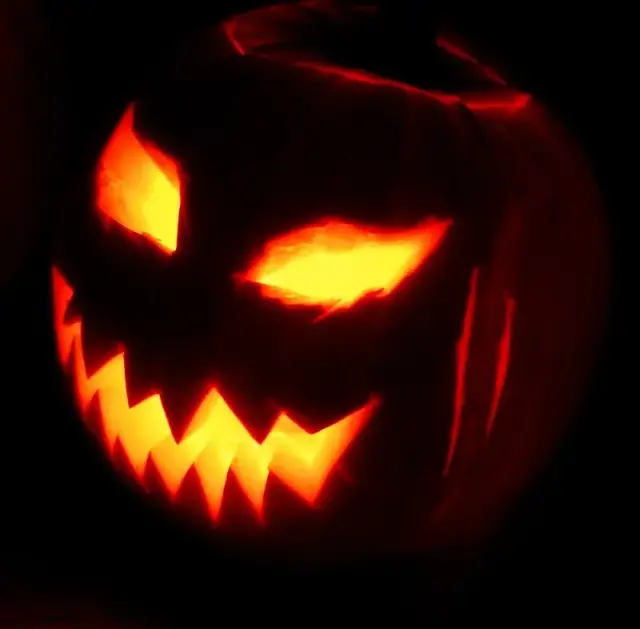
Even the jack-o’-lantern reflects adaptation. People in Ireland and Scotland carved faces into turnips and other root vegetables. In North America, pumpkins offered a larger, convenient canvas. A familiar decoration now connects a kitchen-table craft project with a much longer story.
The Pleasure of Becoming Someone Else
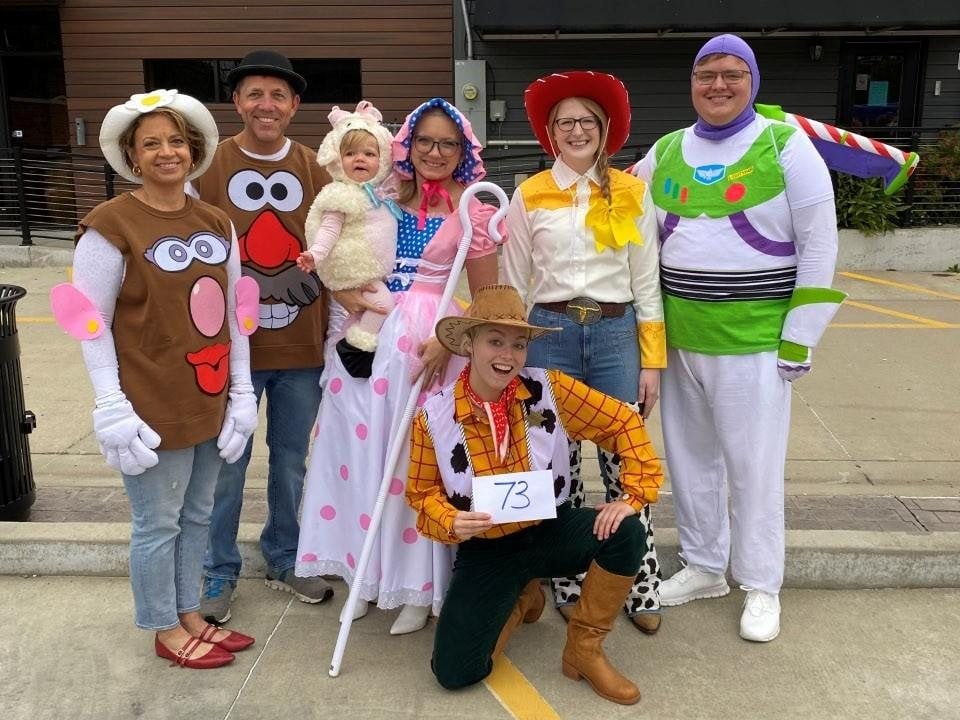
Few celebrations make room for such visible transformation. Halloween lets a quiet student become a dramatic villain, an office worker appear as a cartoon character, or a family turn into a walking collection of breakfast foods.
Much of the pleasure comes before the costume is worn. Choosing a character can reveal what someone enjoys, admires, or finds funny. Making the outfit turns that idea into a series of practical challenges.
A homemade astronaut costume, for example, might begin with a painted box and some borrowed gloves. The result may be less polished than a store-bought version, but solving those small problems can become part of the memory.
Group costumes add another layer. Friends exchange ideas, negotiate themes, and share progress photos. The costume becomes a reason to connect long before the gathering begins.
There is no requirement to be original or elaborate. Repeating a favorite costume can be its own tradition. Anticipation works best when preparation feels like play rather than a test.
Friendly Fear and Familiar Sayings
Halloween creates space for fear that people choose. A plastic skeleton is not a real threat, but it borrows the appearance of one. A haunted attraction can offer surprise within an experience visitors expect to leave safely.
For some, that combination makes frightening things entertaining. Others prefer smiling pumpkins and gentle stories. Neither approach is more authentic. Enjoyment depends on personal limits, and those limits deserve respect.
The phrase “trick or treat” captures Halloween’s playful bargain. Its words suggest a threat of mischief, but in most modern settings it functions as a familiar greeting and a request for candy. Knowing the script helps strangers take part in a brief, friendly exchange.
“Spooky” is another useful word. It can describe something mysterious or mildly unsettling without suggesting genuine danger. That distinction matters when choosing decorations, films, or activities for children.
Halloween is sometimes dismissed as a celebration of evil. That description overlooks how people actually observe it. For many participants, the focus is creativity, humor, make-believe, and neighborhood fun.
A Celebration Built by Neighbors
Halloween anticipation is unusually public. A birthday may be planned privately, but Halloween preparations often appear on doors, lawns, classroom walls, and shop windows.
One household puts out a pumpkin. Another adds a ghost. Soon, a familiar street begins to look like a shared project. Even people who do not attend parties can enjoy watching the scene develop.
These displays can become conversation starters. Neighbors compare carving ideas or ask how a moving decoration works. A local library might announce a costume story hour, while a community center organizes a less frightening alternative to a haunted house.
Social media extends this exchange through costume tutorials and decorating videos. It can offer useful inspiration, but it can also make a simple celebration seem inadequate. A carefully edited display is not a reasonable standard for every household.
The strongest sense of participation often comes from recognizable, repeatable rituals—not expensive effects.
Keeping the Excitement Manageable
Anticipation can turn into pressure when plans grow beyond available time, money, or energy. A few choices can protect the enjoyment.
- Choose one main priority. Focus on costumes, decorating, food, or an outing rather than trying to perfect everything.
- Set a spending limit early. Reused materials and borrowed items can be part of the creative challenge.
- Match the experience to the people involved. Ask about comfort with masks, loud noises, crowds, and frightening scenes.
- Leave room for changes. A canceled event need not erase the pleasure of preparing.
- Make participation flexible. Consider accessible routes, comfortable costumes, and non-food treats when practical.
For children, a simple countdown can make waiting easier to understand. For adults, one scheduled activity—a carving evening or a film with friends—can provide something concrete to enjoy without filling every spare hour.
Halloween’s anticipation reveals how much a celebration can offer before its central moment arrives. The planning invites imagination, the rituals create familiarity, and the shared preparations give people reasons to connect. When the evening finally comes, the costume and candy are only part of the experience. Some of its best moments may already have happened around a table covered in cardboard, paint, and unfinished ideas.
More like this:


- Most Popular



- Top Stories

- Most Recent