This Day in Music History: Nov. 16, From Broadway to Hip-Hop
The Nov. 16 timeline spans the Broadway debut of “The Sound of Music,” Patsy Cline’s Nashville recording, landmark releases by Jimi Hendrix and Dr. Dre, and John Lennon’s first solo U.S. No. 1 single.
On Nov. 16, 1959, “The Sound of Music” opened on Broadway, beginning the stage life of a musical whose songs would travel far beyond the theater. Richard Rodgers and Oscar Hammerstein II’s final stage collaboration brought together family entertainment, musical instruction and a story shadowed by Nazism. Its enduring significance lies not simply in its success, but in how thoroughly its music became part of everyday listening and learning.
That opening begins a Nov. 16 chronology reaching from Broadway to Nashville, psychedelic rock, a former Beatle’s solo breakthrough and a major hip-hop comeback. Viewed from Nov. 16, 2026, these five milestones show different ways musicians expanded their audiences without abandoning the qualities that made their work distinctive.
Get The Latest News!
Don't miss our top stories and need-to-know news everyday in your inbox.
Mary Martin starred as Maria and Theodore Bikel played Capt. von Trapp when “The Sound of Music” premiered at New York’s Lunt-Fontanne Theatre. With a book by Howard Lindsay and Russel Crouse, the musical drew on Maria Augusta Trapp’s account of her family. Its score included “Do-Re-Mi,” “My Favorite Things” and “Climb Ev’ry Mountain,” songs that gave its domestic story an unusually broad musical reach.
The production won five Tony Awards, including best musical, and completed 1,443 performances after transferring to the Mark Hellinger Theatre. The 1965 film, starring Julie Andrews, carried the songs to another audience. “Do-Re-Mi” made singing itself part of the story, while “My Favorite Things” found a separate life as a jazz standard. A Broadway opening had launched a repertoire that could work in classrooms, concert halls and family living rooms.
One year later, on Nov. 16, 1960, Patsy Cline recorded “I Fall to Pieces” in Nashville. Written by Hank Cochran and Harlan Howard, the ballad became a defining example of her ability to make carefully controlled singing sound emotionally direct. Producer Owen Bradley’s session at the Quonset Hut paired her voice with polished accompaniment and backing vocals by the Jordanaires.
The recording arrived at an important professional turning point. Cline had signed directly with Decca Records after her Four Star contract expired, giving her access to a larger selection of songs while allowing her to continue working with Bradley. Released in January 1961, “I Fall to Pieces” eventually reached No. 1 on the country chart and No. 12 on the pop chart. Those results demonstrated the reach of a country performance built around restraint rather than vocal force.
Its crossover success also illustrates why a recording session can matter more than its immediate circumstances suggest. Bradley was seeking a record that could appeal to both country and pop programmers. Cline’s performance supplied the essential connection: a recognizable country voice delivering heartbreak with the intimacy of a pop ballad.
On the Billboard album chart dated Nov. 16, 1968, the Jimi Hendrix Experience reached No. 1 with “Electric Ladyland.” The double album spent two weeks at the summit and became Hendrix’s only No. 1 album. More than a commercial achievement, it gave mass-market recognition to a record that treated studio experimentation as a central part of musical expression.
Hendrix produced the album himself, working with engineer Eddie Kramer as increasingly capable multitrack equipment allowed more elaborate arrangements. The record moved between compact songs such as “Crosstown Traffic,” the expansive “1983 ... (A Merman I Should Turn to Be)” and the guitar-driven “Voodoo Child (Slight Return).” Its range showed that the album format could accommodate both immediate impact and extended exploration.
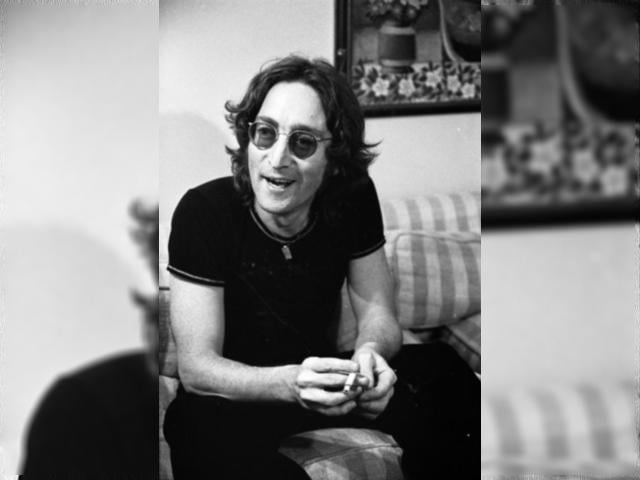
Six years later, the Billboard Hot 100 dated Nov. 16, 1974, brought John Lennon his first solo American No. 1 single with “Whatever Gets You Thru the Night.” Released from “Walls and Bridges,” the recording featured Elton John on piano and backing vocals. Its buoyant collaboration connected Lennon’s post-Beatles career with one of the decade’s leading performers.
The chart achievement also produced a memorable concert consequence. Lennon had agreed to appear with Elton John if the song reached No. 1, doubting that it would happen. He honored the agreement at Madison Square Garden on Nov. 28, 1974. The November chart milestone thus led directly to a rare opportunity for an arena audience to see Lennon perform alongside his collaborator.
On Nov. 16, 1999, Dr. Dre released “2001,” an album that reasserted his standing as a recording artist and producer. Despite its forward-looking title, it arrived before the millennium, bringing together established collaborator Snoop Dogg and newer Aftermath talent Eminem. “Still D.R.E.,” “Forgot About Dre” and “The Next Episode” anchored a carefully constructed return.
The album updated Dre’s earlier G-funk approach with more spacious production and a different synthesizer palette. Its collaborations were central rather than incidental: “Forgot About Dre,” featuring Eminem, later won the Grammy for best rap performance by a duo or group in 2001. Closing this Nov. 16 chronology, the album offers another example of renewal through musical partnership — an artist extending an established identity by making room for other voices.
More like this:



- Most Popular



- Top Stories



- Most Recent