This Day in Music History: Nov. 20, From Bob Dylan to Adele
Nov. 20 marks the anniversaries of Bob Dylan’s first album sessions, the Broadway opening of “Cabaret,” and major releases and performances by Isaac Hayes, Prince and Adele.
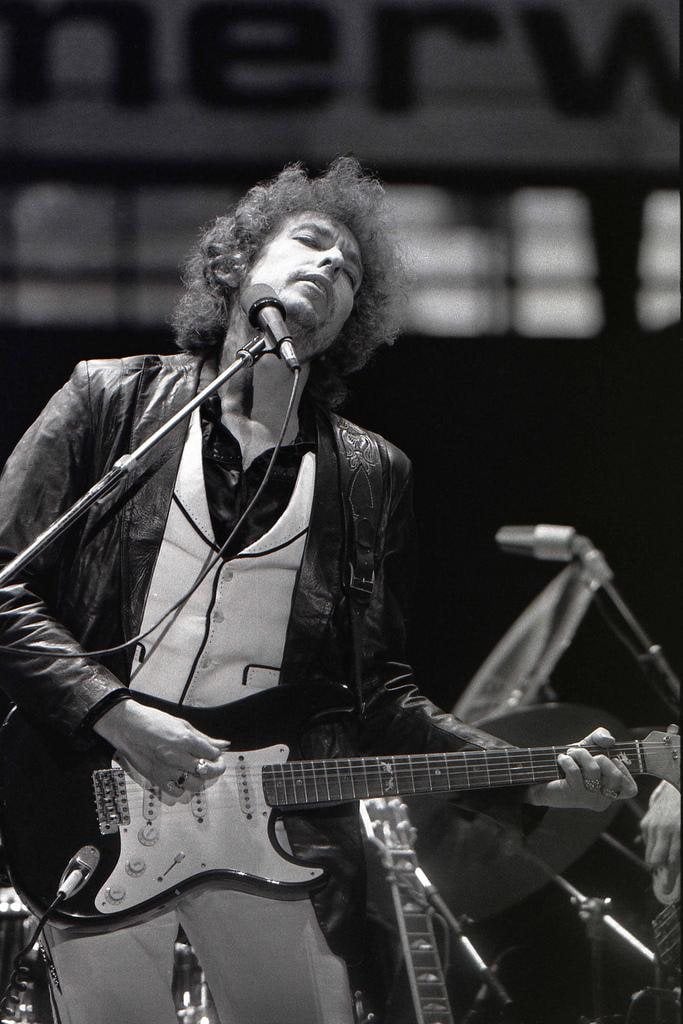
On Nov. 20, 1961, Bob Dylan entered Columbia’s Studio A in New York to begin recording his first album. It was a modest starting point for a recording career that would help reshape popular songwriting: a young performer, producer John Hammond and a repertoire rooted largely in music that came before him. Sixty-five years later, the session stands as one of Nov. 20’s most consequential musical beginnings.
Dylan was 20, and the self-titled album introduced him primarily as an interpreter of folk, blues and gospel rather than as the prolific songwriter he would become. Its 13 tracks included “Man of Constant Sorrow,” “House of the Risin’ Sun” and “See That My Grave Is Kept Clean,” alongside his own “Talkin’ New York” and “Song to Woody.” The selections placed his emerging voice within a much older American musical tradition.
Get The Latest News!
Don't miss our top stories and need-to-know news everyday in your inbox.
The recording continued Nov. 22, and Columbia released “Bob Dylan” on March 19, 1962. Those dates mark the distinction between the beginning of the studio work and the public arrival of the record. Heard in retrospect, the debut offers a portrait of an artist still working through his influences, before original songs became the defining force of his albums.
Five years later, on Nov. 20, 1966, “Cabaret” opened at Broadway’s Broadhurst Theatre. With music by John Kander, lyrics by Fred Ebb and a book by Joe Masteroff, the Harold Prince production turned the nightclub world of Berlin into a setting for a musical about political danger, prejudice and the temptation to look away. Its story unfolded in 1929-30, before the establishment of Nazi rule.
Based on John Van Druten’s play “I Am a Camera” and Christopher Isherwood’s stories, the show followed a cabaret singer, an American writer and other Berlin residents as their society changed around them. The entertainment was not separate from that history; it was part of the way audiences encountered it. Songs and nightclub spectacle could invite enjoyment while the surrounding story made that enjoyment increasingly uncomfortable.
“Cabaret” demonstrated how a Broadway musical could use the attractions of show business to confront disturbing subject matter. Its subsequent stage revivals and film adaptation extended the reach of that approach, making the 1966 opening the beginning of a work whose music and warning would reach generations beyond its original audience.
On the Billboard Hot 100 dated Nov. 20, 1971, Isaac Hayes reached No. 1 with “Theme From Shaft.” Hayes wrote and produced the recording, released on Enterprise, the Stax-associated label. The chart achievement brought a distinctive piece of Black film music to the center of American pop, with the theme leading a chart that also included John Lennon’s “Imagine” and music by Cher and the Chi-Lites.
The song belonged to the film starring Richard Roundtree as detective John Shaft, but its reach extended beyond the screen. Hayes’ recording became a cultural signature in its own right, and the composition subsequently won the Academy Award for best original song. Its later inclusion in the National Recording Registry underscored its lasting place in American recorded sound, beyond its immediate success as a movie theme and hit single.
On Nov. 20, 1976, television viewers encountered a different kind of musical meeting when Paul Simon and George Harrison appeared together on “Saturday Night Live.” Simon hosted the episode, which paired his “Homeward Bound” with Harrison’s “Here Comes the Sun.” The program brought two major songwriting voices into the same intimate performance setting, with familiar songs providing the common ground.
The appeal was in the exchange rather than an elaborate production: two singers sharing songs closely associated with their individual careers. Amid an episode remembered in part for Simon’s turkey costume, the duets offered a contrasting musical centerpiece. They also preserved an encounter between artists whose separate bodies of work had helped define the sound of the preceding decade.
On Nov. 20, 1987, Prince’s concert film “Sign O’ the Times” opened in theaters. The American Film Institute records its release on that date and identifies Prince, Sheila E., Sheena Easton and Cat Glover among its performers. The film translated a stage-centered musical experience into a theatrical release, giving audiences another way to encounter Prince’s performance world.

The production incorporated concert material filmed during his European tour and dramatic segments made at Paisley Park. That combination made it more than a straightforward record of a single evening: performance and filmmaking worked together to shape what viewers saw. Its place on this date’s calendar reflects the role concert cinema can play in carrying an artist’s music beyond the audience inside a venue.
Finally, on Nov. 20, 2015, Adele released her third album, “25.” Following “21,” the record paired her commanding vocals with songs about memory, time and changing relationships. “Hello” introduced the project, while tracks including “When We Were Young” expanded its reflective mood. The album subsequently won album of the year and best pop vocal album at the 2017 Grammy Awards, adding another major chapter to a date marked by enduring musical introductions and reinventions.
More like this:



- Most Popular



- Top Stories

- Most Recent