1, 1.5 and 2: The Numbers of Diabetes
Treatment can involve medication and possible lifestyle changes.
 Diabetes: a recap
Singer Lance Bass is among the people who have shared their story about a diabetes diagnosis that was later found to be Type 1.5. Now, health care providers are continuing to educate the public about this relatively new term - one that deserves as much attention as Types 1 and 2.
Get The Latest News!
Don't miss our top stories and need-to-know news everyday in your inbox.
Aminat Ogun, MD, a family medicine physician at OSF HealthCare, recaps Types 1 and 2 diabetes and where Type 1.5 fits in:
Type 1: Dr. Ogun says the body’s immune system attacks insulin-producing cells in the pancreas.
“Insulin is a hormone that brings glucose from food from the blood to the body’s cells for energy. So in Type 1 diabetes, the pancreas isn’t producing insulin,” Dr. Ogun explains. “This type of diabetes is usually seen in childhood and adolescence. It’s sudden onset. Symptoms are increased urination, increased thirst, weight loss and blurry vision. A lot of these people are dependent on insulin shots.”
Type 2: The pancreas is producing insulin, but the body doesn’t recognize it. Dr. Ogun says these patients are typically age 40 and up, and the disease has a gradual onset.
“Management is lifestyle modifications, like a healthy diet and physical activity,” Dr. Ogun says. “And there are medications to help control blood sugar like Metformin and Jardiance®, plus insulin shots.”
Type 1.5: This is also called latent autoimmune diabetes in adults (LADA).
“It’s a slow progressing form of Type 1 diabetes. It’s autoimmune like Type 1, but it’s usually seen in adults,” Dr. Ogun says. Symptoms are similar to Type 2 diabetes: fatigue, nausea and vomiting. Or, Dr. Ogun says some people may have little to no symptoms.
 More on Type 1.5
So, if Type 1.5 diabetes can mimic Types 1 and 2, how do providers pin down a diagnosis?
Dr. Ogun says it’s something providers are learning more about and getting better at. She says providers will take a blood sample to look at your blood glucose and antibodies. Providers can also sample your blood or urine to look at your C-peptide level. C-peptide is a byproduct of insulin production, and if it’s low it’s cause for concern.
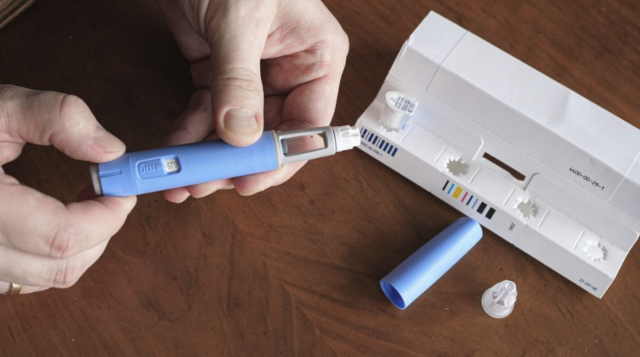
Treatment is similar to Type 2 diabetes: oral medication or an injectable GLP-1 medication like Ozempic®.
“But eventually once the autoimmune destruction happens, the person will need regular insulin,” Dr. Ogun says. “One good thing is that if you are aware the person might have Type 1.5, starting insulin earlier is a little bit better. Maybe that can preserve some of the cells in the pancreas and preserve some pancreas function.”
Shoring up your diet and exercise can also help.
Prevention
Dr. Ogun says since Type 1.5 diabetes is an autoimmune disease, there’s no bonafide way to prevent it. She adds there is a genetic component, meaning a child of someone with Type 1.5 is at a higher risk to get in themselves.
But, Dr. Ogun says sometimes education can be the best prevention. She says she’s happy Lance Bass has spoken out. Bass is active, fit and has diabetes – a sign that it can happen to anyone, and you should be aware of the disease.
Learn more
Read more about preventing and managing diabetes on the OSF HealthCare website.
More like this:




- Most Popular

- Top Stories

- Most Recent