


Attorney General Raoul Takes Action To Oppose Discriminatory Voting Laws

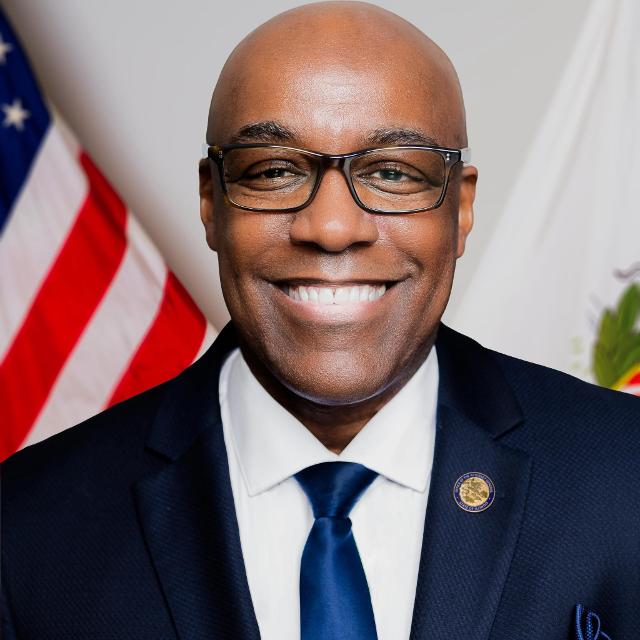
CHICAGO - Attorney General Kwame Raoul joined two separate coalitions of attorneys general opposing discriminatory efforts to limit voting rights and access to the ballot box. Raoul filed legal briefs supporting a challenge to a North Carolina law that restricts the voting rights of formerly incarcerated people and contesting a Florida election law that would make it more difficult for millions of Floridians to vote.
Get The Latest News!
Don't miss our top stories and need-to-know news everyday in your inbox.
“Limiting access to the ballot box reduces participation in our democracy and ultimately weakens faith in our government,” Raoul said. “These actions disproportionally burden voters of color, older Americans, and individuals with disabilities. States should be working to expand voter participation – not erecting frivolous roadblocks that disenfranchise large portions of the electorate.”
Raoul joined a coalition of 15 attorneys general supporting a challenge to North Carolina’s felon disenfranchisement law, which prohibits some formerly incarcerated people from voting until they have completed all the terms of their probation, parole, or post-release supervision. According to Raoul and the coalition, this requirement deprives people with felony convictions of their right to vote well beyond the date of their release from incarceration. The attorneys general argue that this law disproportionately harms Black voters and that expanding the right to vote promotes civic engagement, improves public safety, and benefits communities.

According to their brief, many states have begun moving away from broadly disenfranchising individuals with felony offenses and have restored the right to vote to felons. In the past six years, 16 states and the District of Columbia have restored the right to vote for those with felony convictions. Efforts to expand the right to vote to illustrate a growing consensus that allowing formerly incarcerated people to vote benefits both the returning citizens and the communities they rejoin. An estimated 5.2 million people across the United States were barred from voting in the 2020 election and locked out of the democratic process because of state laws that disenfranchise individuals who were convicted of felony offenses.
Joining Raoul in filing the brief are the attorneys general of California, Connecticut, Delaware, the District of Columbia, Hawaii, Maine, Maryland, Massachusetts, Michigan, Nevada, New Jersey, New York, Rhode Island, and Washington.
Raoul also joined a separate coalition of 17 attorneys general opposing a discriminatory Florida election law that would make it more difficult for millions of Floridians to vote. In their brief, Raoul and the coalition support a challenge to portions of a new Florida law that decreases voting opportunities by restricting the use of drop boxes for ballot collection. A lower court already struck down portions of the law, finding that it was enacted to unlawfully burden Black voters by limiting when drop boxes could be used and where they could be placed in a way that was intentionally discriminatory. The attorneys general filed their brief in support of the lower court’s decision and argue that election security can be protected while increasing – not limiting – access to the ballot.
Raoul and the coalition argue that mail-in voting and the use of drop boxes are well-established practices in Florida and around the country, and neither has given rise to substantial fraud; states have a multitude of ways to protect election integrity without stripping voters of reliable and safe voting methods; voter confidence is a complex issue, which this new law does not actually address; and that the district court’s decision was sound and should not be reversed.
Joining Raoul in filing the brief are the attorneys general of California, Connecticut, Delaware, the District of Columbia, Maine, Maryland, Massachusetts, Michigan, Minnesota, Nevada, New Mexico, New York, Oregon, Pennsylvania, Rhode Island, and Washington.
More like this:


- Most Popular


- Top Stories


- Most Recent

- Sign In
- Home
- Video
- News
-
Weather
 Sponsored by Michael Ryan Exteriors - Roofing Professionals
 - Sports
- Obits
- Events
- Radio
- AP News
- Shop Local
- Classifieds
- Autos
- Real Estate
- Directory
Get the RiverBender App


Follow Us
Copyright © 2026 RiverBender.com All rights reserved.
primary