


Balancing Empathy And Self-care
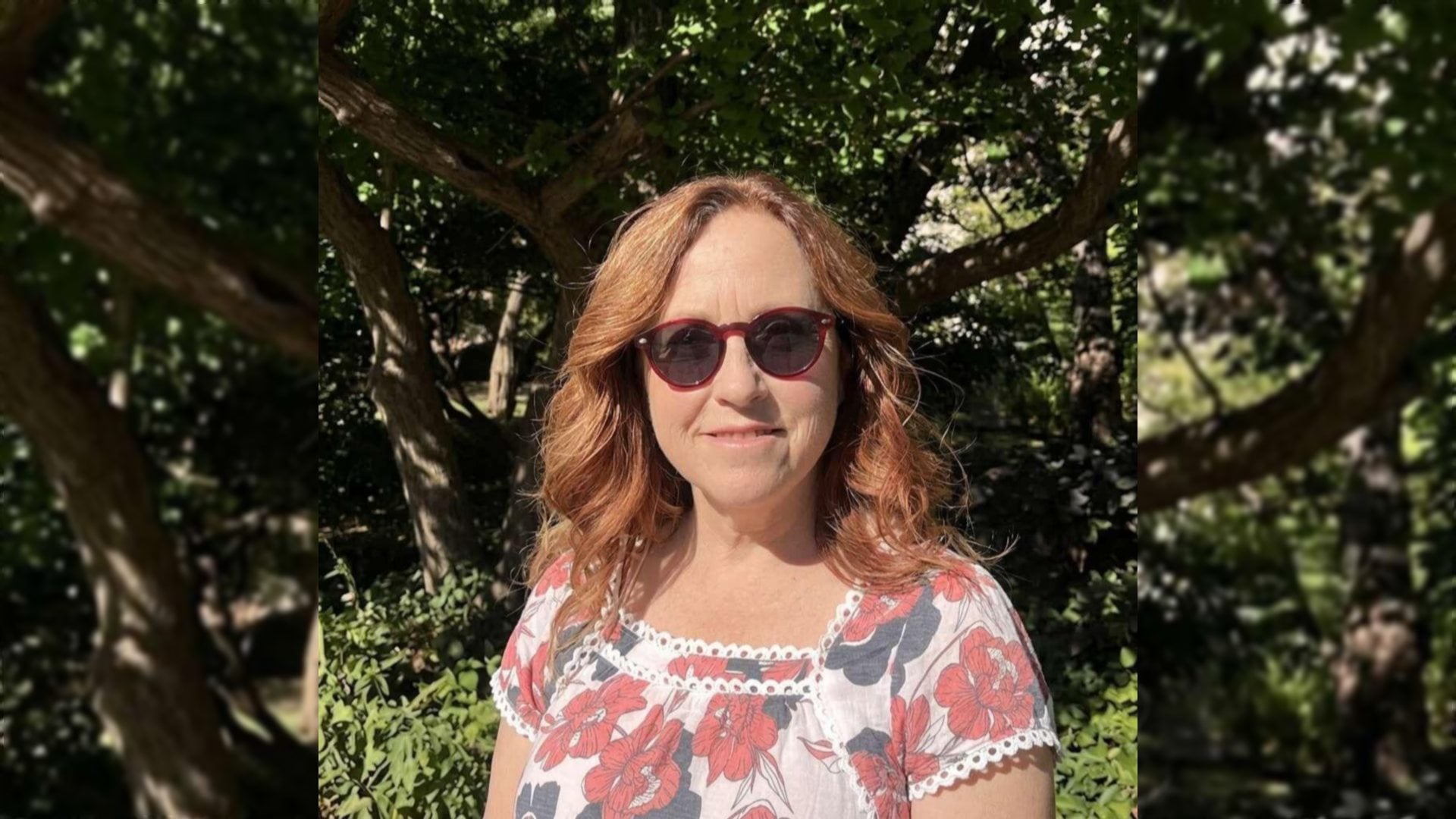
 WEST FRANKFORT – A message on empathy from Julie Bailey, a Licensed Clinical Professional Counselor in Illinois with a master’s degree in Clinical Mental Health Counseling and the Clinical Manager of Outpatient Therapy Services at Centerstone locations in Southern Illinois:
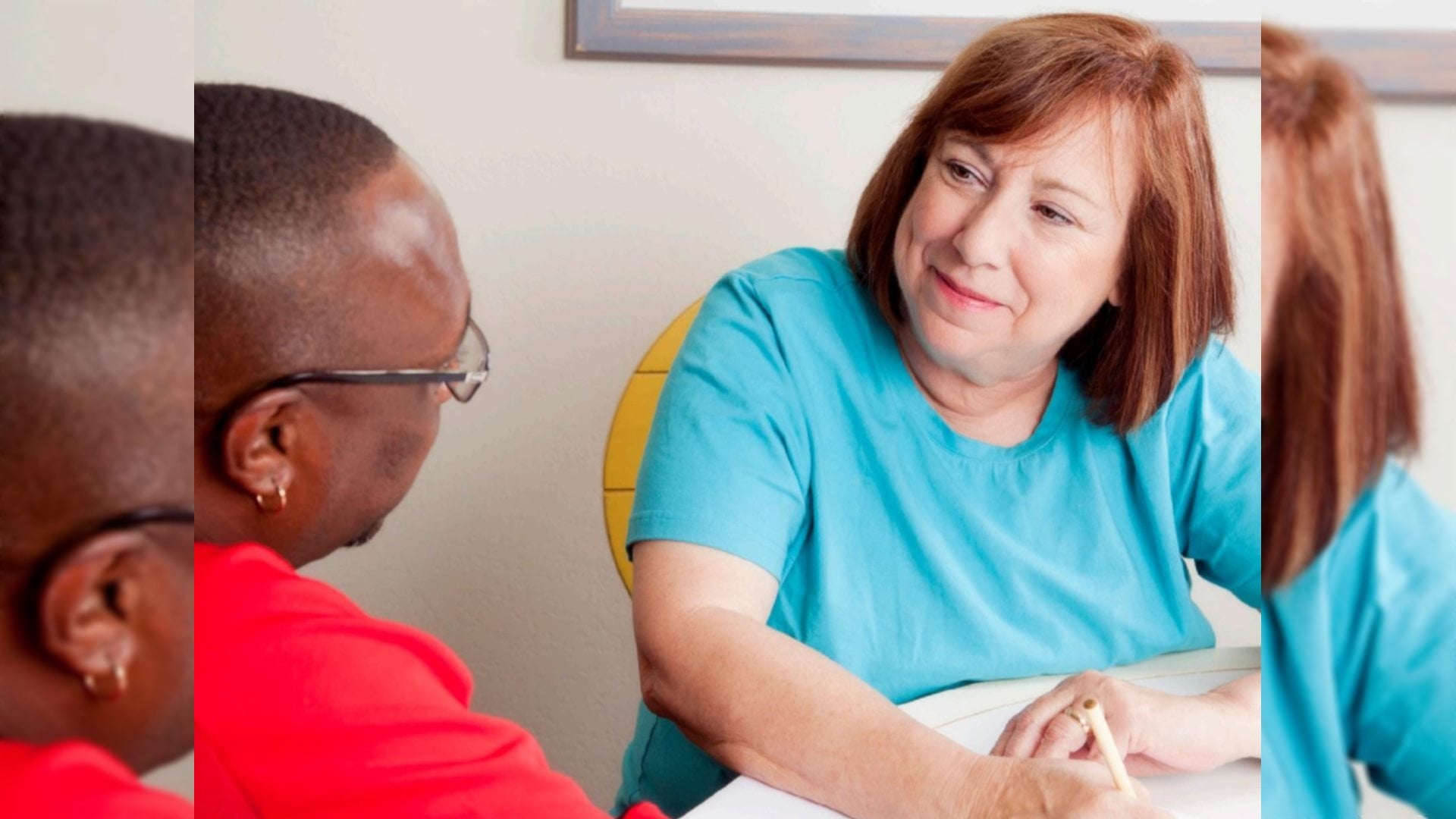
Do you cry when others cry? Do you find the news too difficult to watch at times? Are you exhausted after social events? If so, you are most likely a person with a high level of empathy.
Get The Latest News!
Don't miss our top stories and need-to-know news everyday in your inbox.
Empathy is not only the ability to understand the feelings of others, but it often means sharing the feelings of others. In other words, highly empathic people actually experience the emotions that others are experiencing – they absorb them just like a sponge.
They pick up vibes of tension in a room that wouldn’t be obvious to everyone else. They feel the worry and anxiety of complete strangers in a hospital waiting room. They feel the nervousness of the public speaker. They feel deep sorrow in their own hearts when their friends and family are hurting.
They feel everything very deeply. They care very much about the pain of others, and people can sense this, which is why they seek out empaths for advice and support – because they are great listeners who are always willing to help.
Because they have a desire to help others, empathic people often choose careers such as counseling, nursing, teaching, funeral service, or other helping professions, and they do a wonderful job because their hearts are in their work.
However, although empathy is noble and compassionate, it can also be extremely draining. Empathic people sometimes become overwhelmed and exhausted by the overload of emotions and vibes they absorb. They may feel like they’re carrying the weight of the world on their shoulders, and they often put the needs of others before their own. This can lead to medical and mental health problems, as well as burnout in their careers.
Empathic people struggle with self-care because they spend the majority of their time taking care of others. They desperately need time to relax and recharge, but they may feel guilty about taking time to do this.
They feel badly about asking for help or having their own emotional needs, and it is difficult for them to admit when they are struggling. They often pretend to be fine when they’re not. Always dealing with other people’s emotions does not allow them to process their own – and so, they continue to shove their own needs further and further to the bottom of the list.
But this isn’t OK. Empathic people are the heart of our world. We need them! We cannot afford to continue to lose caring, compassionate, empathic individuals to burnout and fatigue. We need to foster a society that nurtures the nurturers, helps the helpers, and cares for the caregivers.
If you are an empath like me, you may cry through every movie you watch (and sometimes even a touching commercial), you may avoid certain social events because they are emotionally exhausting, and you may crave silence and solitude at times (or some really loud music at other times) – and all of that is OK. You need an outlet for your own emotions, you need to give yourself permission to have boundaries, and you need to stop feeling guilty about taking care of yourself.
Self-care doesn’t mean “me, first.” It just means “me, too.” Prioritize finding a healthy balance between taking care of yourself and taking care of others so that you can continue to shine the light of compassion.
About Centerstone
Centerstone is a not-for-profit health system providing mental health and substance use disorder treatments. Services are available nationally through the operation of outpatient clinics, residential programs, the use of telehealth and an inpatient hospital. Centerstone also features specialized programs for the military community, therapeutic foster care, children’s services and employee assistance programs. Centerstone’s Research Institute provides guidance through research and technology, leveraging the best practices for use in all our communities. Centerstone’s Foundation secures philanthropic resources to support the work and mission of delivering care that changes people’s lives.
More like this:



- Most Popular

- Most Recent

- Sign In
- Home
- Video
- News
-
Weather
 Sponsored by Michael Ryan Exteriors - Roofing Professionals
 - Sports
- Obits
- Events
- Radio
- AP News
- Shop Local
- Classifieds
- Autos
- Real Estate
- Directory
Get the RiverBender App


Follow Us
Copyright © 2026 RiverBender.com All rights reserved.
primary