


August Black Moon Marks Rare Astronomical Event
This weekend’s new moon phase is a black moon, a rare occurrence offering stargazers a dark sky for prime celestial viewing.
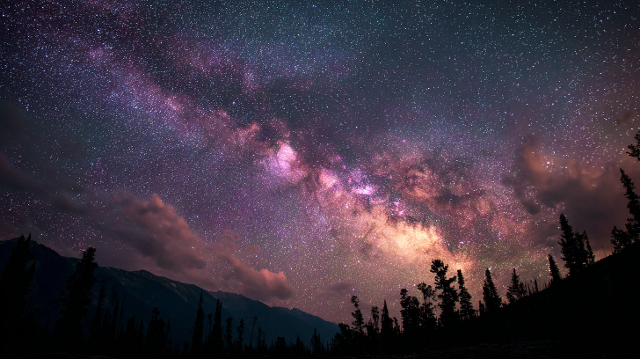
Early Saturday morning, August 23, at 1:06 a.m. CDT, the moon will slip into its new moon phase. That happens about once every month, but this one comes with a rare nickname: the black moon.
Get The Latest News!
Don't miss our top stories and need-to-know news everyday in your inbox.
Here’s the funny part — you won’t actually see it. During a new moon, the moon is tucked between Earth and the sun, so the side we normally see is completely dark. It’s basically a no-show in the sky.
So why the “black” label? Astronomers use it for two unusual situations. One is when two new moons land in the same month, which only happens every couple of years. The other is when a season somehow squeezes in four new moons instead of the usual three. That’s what’s happening this summer, making this weekend’s new moon a seasonal black moon.
Summer started with the solstice in late June and will end with the equinox in late September. Within that window, we’ll rack up new moons on June 25, July 24, August 23, and September 21. Since that’s four in one season, the third one — this weekend’s — gets the black moon title.
You won’t spot the moon itself, but that’s actually good news for stargazers. With no moonlight to wash things out, the night sky will be extra dark, giving the Milky Way center stage.
If you want a clear view, head somewhere rural and away from streetlights. Look southeast for the Summer Triangle — three bright stars named Vega, Deneb, and Altair. You’ll see the Milky Way running right through that triangle and stretching all the way toward the southern horizon.
Black moons may be rare, but their best gift is simple: a perfect night to look up and lose yourself in the stars.
More like this:



- Most Popular



- Top Stories


- Most Recent


