
Duckworth Calls On FAA To Review Boeing’s Disturbing Pattern Of Failing To Disclose Critical 737 MAX Safety Information To Pilots

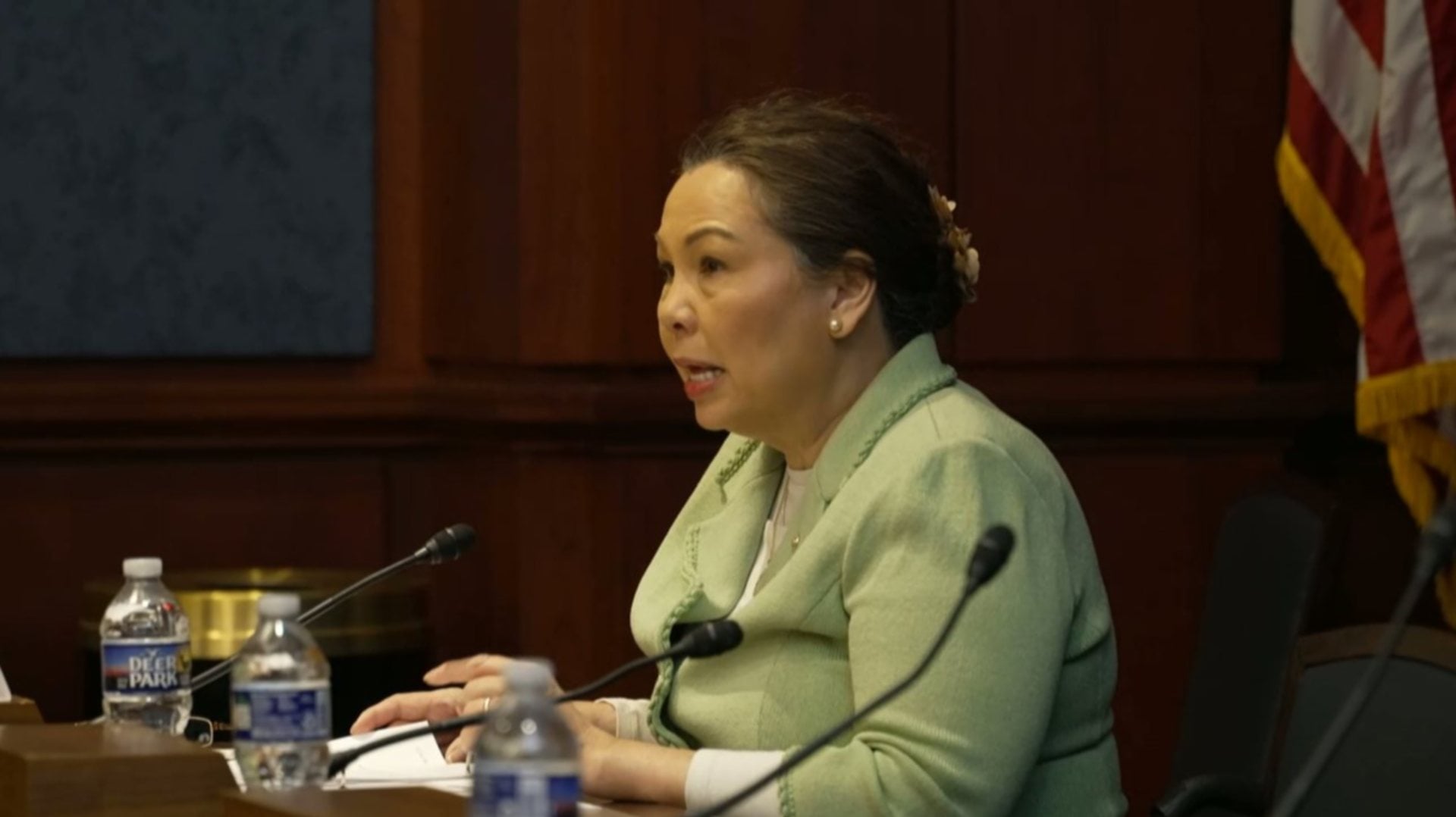
WASHINGTON, DC – U.S. Senator and pilot Tammy Duckworth (D-IL)—a member of the U.S. Senate Committee on Commerce, Science and Transportation (CST) and Chair of the CST Subcommittee on Aviation Safety, Operations and Innovation—today urged Federal Aviation Administrator (FAA) Michael Whitaker to examine why pilots were not aware that the cockpit door on the 737 MAX 9 was designed to automatically open during a rapid depressurization event until after the door plug fell out of Alaska Airlines flight 1282. She also called on the Administrator to take into account other recent instances where Boeing sought to hide information from pilots and regulators as FAA considers its response to this latest cockpit door issue.
Get The Latest News!
Don't miss our top stories and need-to-know news everyday in your inbox.
“This unknown, undisclosed feature resulted in the flight crew being surprised when the rapid depressurization event caused the cockpit door to slam open, sucking an emergency checklist out of the cockpit and removing one of the pilots’ headsets,” wrote Duckworth in a letter to the FAA Administrator. “Keeping pilots in the dark about features on the MAX has become a pattern at Boeing. This is the third time Boeing has failed to disclose a flight deck feature to 737 MAX pilots. This is dangerous, and FAA must not view this latest omission in isolation. Instead, FAA should consider regulatory action informed by Boeing’s past pattern of deceptive conduct.”
Duckworth cited as one example Boeing’s earlier decision, approved at the time by FAA, to not include the Maneuvering Characteristics Augmentation System (MCAS) in the 737 MAX 8 flight manual, which left the flight crew on Lion Air flight 610 unaware of what was forcing their aircraft into a nose-dive. MCAS ultimately caused Lion flight 610’s crash, killing all 189 humans on board that 2018 flight. A second MCAS-related crash followed in 2019, raising the 737 MAX death toll to 346 people.
Duckworth highlighted an internal Boeing document showing company employees conspiring to downplay the significance of MCAS as the company was seeking FAA certification for the aircraft. According to the document, the employees wrote “[if] we emphasize MCAS is a new function there may be greater certification and training impact.” A later expert review by international aviation civil authorities found that, “…because the information and discussions about MCAS were so fragmented and were delivered to disconnected groups within the process, it was difficult [for FAA] to recognize the impacts and implications of this system.”
The Senator also cited as an example Boeing’s decision to not inform airlines or pilots that the Angle of Attack (AOA) disagree alert aboard most 737 MAX 8 jets was nonfunctional, even as the company continued to knowingly manufacture and deliver additional aircraft with this problem—in violation of the plane’s approved type design—and failed to disclose this violation until the 737 MAX 8 crashes brought worldwide attention to the planes’ AOA sensors.
“Boeing discovered this [AOA issue] in 2017, but decided to postpone fixing it until 2020 – and, until then, keep producing more planes with this same defect – in further violation of the MAX 8’s type design – while continuing to conceal this from pilots,” the Senator continued in her letter. “While this was not a safety-critical feature, the manufacturer’s brazen disregard for type design requirements and lack of candor with pilots is breathtaking. Even more disturbing is FAA’s failure to consider any kind of civil enforcement action. If Boeing faces no consequence from FAA when it engages in outrageously inappropriate conduct like this—what incentive does the company have to change its behavior?”
Duckworth recently called on FAA to reject a petition by Boeing for a safety exemption to allow the 737 MAX 7 to be certified to fly despite having another known safety defect that has not yet been fixed. The Senator also met with the Boeing’s CEO and called on him to withdraw the company’s decision, which the company did just days later, crediting Duckworth’s reasoning for the decision.
More like this:


- Most Popular



- Top Stories


- Most Recent