

Duckworth Discusses Wheelchair Rule She Secured And Biden Administration’s Efforts To Improve Aviation Accessibility With DOT Secretary Buttigieg

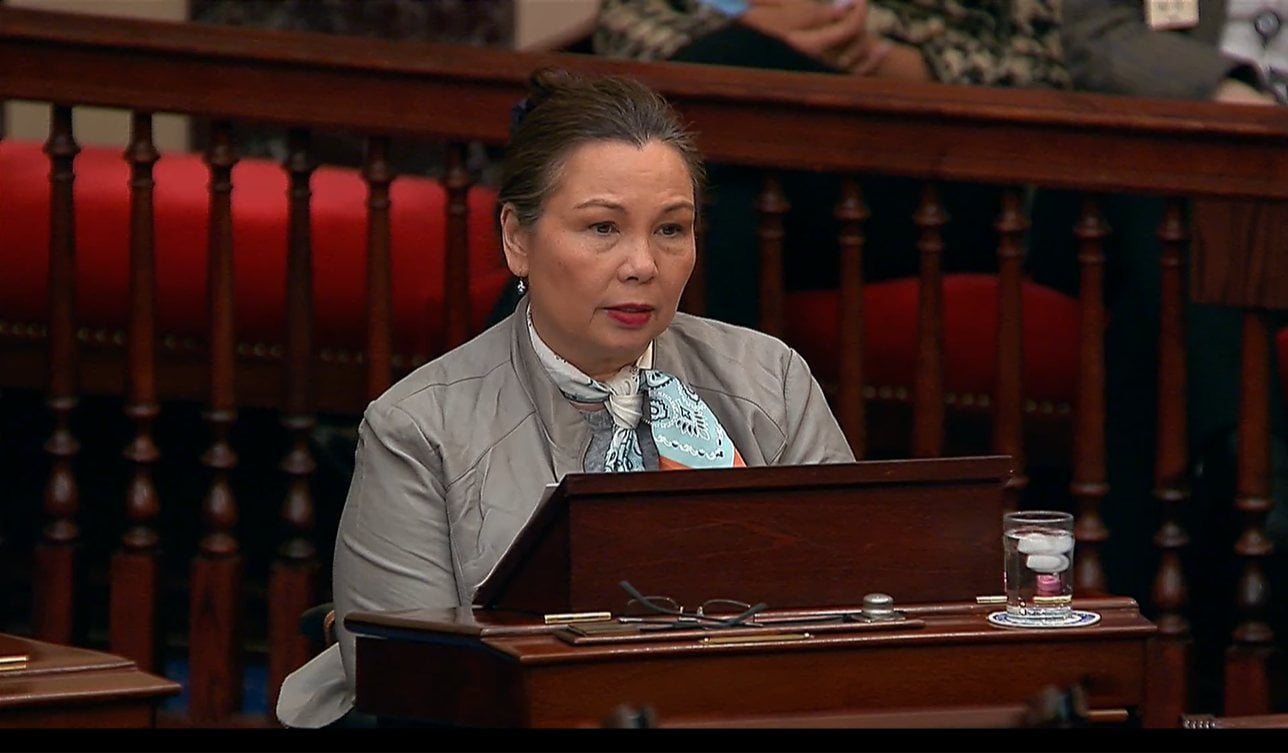
WASHINGTON, DC – Today, U.S. Senator Tammy Duckworth (D-IL)—a member of the U.S. Senate Committee on Commerce, Science and Transportation (CST) and Chair of the Subcommittee on Aviation Safety, Operations and Innovation—joined U.S. Secretary of Transportation Pete Buttigieg to highlight the U.S. Department of Transportation’s (DOT) new proposed rule to improve the consumer experience for passengers with disabilities, prioritize aviation accessibility as well as provide accommodations and the repair or replacement of damaged wheelchairs if mishandled by airlines. In a fireside chat with Secretary Buttigieg and other DOT leaders, Duckworth discussed the announcement as well as her legislation that led to the DOT implementing a first-ever rule that requires air carriers to disclose how many wheelchairs, motorized scooters and other mobility devices they damage or mishandle each month. A fierce advocate for travelers with disabilities, Duckworth also highlighted her All Stations Accessibility Program (ASAP) Act in the Bipartisan Infrastructure Law that is already helping our nation’s transit stations become more accessible as well as several of her key priorities to enhance protections for air travelers with disabilities—including her EVAC Act—that were included in the bipartisan FAA Reauthorization Act of 2023 that passed through the CST committee earlier this month. Video of today’s fireside chat is available on YouTube and photos from today’s event are available on Senator Duckworth’s website.
Get The Latest News!
Don't miss our top stories and need-to-know news everyday in your inbox.
“I know from personal experience that when an airline damages or breaks a wheelchair, it’s much more than a simple inconvenience—it’s the equivalent of breaking someone’s legs,” said Duckworth. “This proposed rule is critically important to helping ensure every passenger with a disability is treated with the dignity and respect all Americans deserve. After writing the first law to require airlines to disclose the number of lost and damaged wheelchairs and securing my ASAP Act in the Bipartisan Infrastructure Law to help make sure our transit stations live up to the promises enshrined in the ADA, there’s still so much to do and it was a pleasure to join Secretary Buttigieg for an important conversation on how we can build on our progress to bring about full and total access in our transportation systems—including our aviation system—for all Americans.”
According to the DOT, more than 25 million Americans—over 14 percent of whom use wheelchairs—report they have disabilities that limit their travel. Yet, thousands of wheelchairs and other mobility aids continue to be mishandled, damaged or lost each year. Duckworth has long advocated that Americans with disabilities should receive the dignity and respect they deserve while traveling, including leading several efforts in the bipartisan Senate FAA Reauthorization Act of 2023 to make travel easier and more accessible for people with disabilities that passed through the CST committee, including:
- Prioritizing Accountability and Accessibility for Aviation Consumers Act of 2023: requires the U.S. Department of Transportation (DOT) publish an annual report on how quickly, effectively and efficiently consumer complaints related to traveling with a disability are received, addressed and resolved by DOT.
- Mobility Aids On Board Improve Lives and Empower All (MOBILE) Act: requires DOT issue an advisory circular that provides guidance to airlines on publishing information related to powered wheelchairs, including the dimensions of aircraft cargo holds, and evaluate the frequency and types of mishandling of mobility aids and take actions towards making in-flight wheelchair seating available.
- Access and Dignity for All People who Travel (ADAPT) Act: requires DOT issue regulations regarding seating accommodations for passengers with disabilities that takes into account being seated next to their companion and requires the Secretary of Transportation establish an optional Known Service Animal Travel Pilot Program, providing service animal users the opportunity to participate in a streamlined pre-registration process.
- Equal Accessibility to Passenger Portals (Equal APP) Act: requires DOT issue regulations to ensure that customer-facing websites, applications and information communication technologies (ICT) of airlines and airports are accessible. It would require the Secretary to conduct regular audits of such websites, applications and ICTs and allow the Secretary to hold non-compliant entities accountable by issuing civil penalties.
- Store On-board Wheelchairs in Cabin (STOWIC) Act: requires airlines provide information on the airline website—and anywhere people can make reservations— regarding the rights and responsibilities of both airlines and passengers as to the availability of on-board wheelchairs. It would also require annual staff training regarding assisting people with disabilities on the use of on-board wheelchairs and the right to request an on-board wheelchair. It would allow the Secretary to issue enhanced civil penalties if airlines fail to provide an on-board wheelchair.
- Airport Accessibility Grants: authorizes a pilot grant program to help airports make their facilities more accessible. The program would be funded at $20 million per year from Airport Improvement Program (AIP) funds.
In addition to these priorities, the Duckworth-Baldwin EVAC Act was also included in this FAA reauthorization bill to require modernization and improvements to aircraft evacuation standards by requiring the FAA to conduct a comprehensive study on aircraft evacuation and empanel a committee of experts and stakeholders—including representatives of the disability community, senior citizens and pediatricians—to evaluate gaps in current evacuations standards and operating procedures and make recommendations. Additionally, the FAA would be required to initiate a rulemaking on any recommendations the FAA Administrator deems appropriate. The FAA would also be required to report study findings, committee recommendations and the Administrator’s plan to implement any such recommendations.
According to recent Federal Transit Administration (FTA) data, nearly 20% of U.S. transit stations are still not fully accessible. As a result, Duckworth authored the All Stations Accessibility Program (ASAP) Act provisions in the Bipartisan Infrastructure Law, which will provide $1.75 billion over the next five years to help build ramps, install elevators and make other improvements to help ensure our nation’s transit systems are actually, finally usable for those with disabilities.
More like this:


- Most Popular



- Top Stories


- Most Recent