

Exploring Día de los Muertos: Its Origins and Significance
Día de los Muertos invites us to reconsider our relationship with death.

What if death wasn’t a final farewell but a vibrant reunion celebrated with color, music, and remembrance? Día de los Muertos, or Day of the Dead, transforms the inevitable reality of mortality into a communal experience of honoring ancestors, blending solemnity with joy. This unique tradition, originating in Mexico, has captivated the world with its rich symbolism and cultural depth.
The Roots of Día de los Muertos: A Fusion of Worlds
Get The Latest News!
Don't miss our top stories and need-to-know news everyday in your inbox.
Día de los Muertos traces its origins back over 3,000 years to indigenous practices among the Aztec, Maya, Purépecha, and other Mesoamerican civilizations. These cultures viewed death not as an end but as a phase in a continual cycle of life, where the spirits of the deceased maintained a connection with the living. The Aztecs, for example, dedicated a month-long celebration to the goddess Mictecacihuatl, known as the "Lady of the Dead," who presided over the underworld.
When Spanish colonizers arrived in the 16th century, they brought Catholic traditions, including All Saints’ Day and All Souls’ Day, celebrated on November 1st and 2nd. Over time, indigenous rituals and Catholic observances merged, forming the contemporary Día de los Muertos celebrated primarily on these dates. This syncretism reflects a blending of belief systems rather than a replacement, preserving indigenous perspectives on death within a Christian framework.
Symbolism and Traditions: More Than Meets the Eye
Día de los Muertos is renowned for its vivid iconography, each element rich with meaning. Altars, or ofrendas, are central to the celebration. Families prepare these altars in their homes or at gravesites to honor their deceased loved ones. Typical components include:
- Marigold flowers (cempasúchil): Known as the “flower of the dead,” their bright orange color and scent are believed to attract spirits back to the world of the living.
- Sugar skulls (calaveras): Decorated with colorful icing and sometimes inscribed with names, these skulls symbolize the departed souls and serve as reminders of mortality’s universality.
- Pan de muerto: A special bread baked for the occasion, featuring bone-shaped decorations, symbolizing the cycle of life and death.
- Photographs and personal mementos: These items personalize the altar, inviting the spirits of specific individuals to visit.
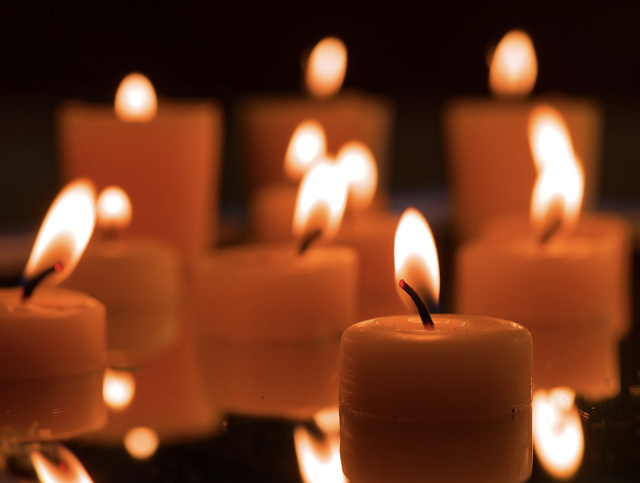
- Candles and incense: Representing light, faith, and purification, these guide the spirits’ journey home.
Beyond altars, communities hold parades, music performances, and public gatherings. The fusion of somber remembrance with festive celebration challenges common Western perspectives on death. Rather than mourning as solely sorrowful, Día de los Muertos embraces remembrance as an act of love and cultural identity.
Contemporary Celebrations and Global Influence
While deeply rooted in Mexican culture, Día de los Muertos has transcended borders. In the United States, particularly in areas with large Mexican-American populations, the holiday has gained visibility through community events, art exhibits, and educational programs. For example, Los Angeles hosts an annual Día de los Muertos festival in Hollywood, featuring traditional altars, dance, and food.
Moreover, Día de los Muertos has inspired artists worldwide, with its imagery appearing in films, literature, and popular culture. The 2017 animated film Coco introduced international audiences to the holiday’s themes of family, memory, and the afterlife, sparking curiosity and respect for the tradition.
Practical Takeaways for Embracing the Spirit of Día de los Muertos
For those interested in honoring Día de los Muertos respectfully and meaningfully, consider the following:
- Learn and understand the cultural context: Recognize the holiday’s indigenous and religious roots, avoiding superficial or commercialized interpretations.
- Create a meaningful altar: Incorporate personal elements such as photos and favorite items of departed loved ones, alongside traditional symbols like marigolds and candles.
- Participate in community events: Attending local celebrations can provide insight into the holiday’s communal aspects and deepen appreciation.
- Reflect on mortality and memory: Use the occasion to contemplate personal relationships and the broader human experience of loss and remembrance.
- Support authentic artisans: Purchasing traditional crafts and foods from local Mexican or Latinx vendors helps sustain cultural heritage.
Death as a Celebration of Life
Día de los Muertos invites us to reconsider our relationship with death, encouraging remembrance not as mourning alone but as a celebration of life’s continuity. By honoring ancestors with vibrant rituals and collective memory, the holiday preserves cultural identity and fosters community bonds. Whether through colorful altars, evocative music, or shared stories, Día de los Muertos transforms loss into a powerful affirmation of life’s enduring connections.
More like this:

- Most Popular



- Top Stories



- Most Recent