


Farm Aid’s 1985 Debut in Illinois Headlines Sept. 22’s Milestones in Music History
This date spans milestones from Wagner and the Band to Bowie, the Rolling Stones, the CMA Awards and a landmark “Happy Birthday” copyright ruling.
This Day in Music History: September 22
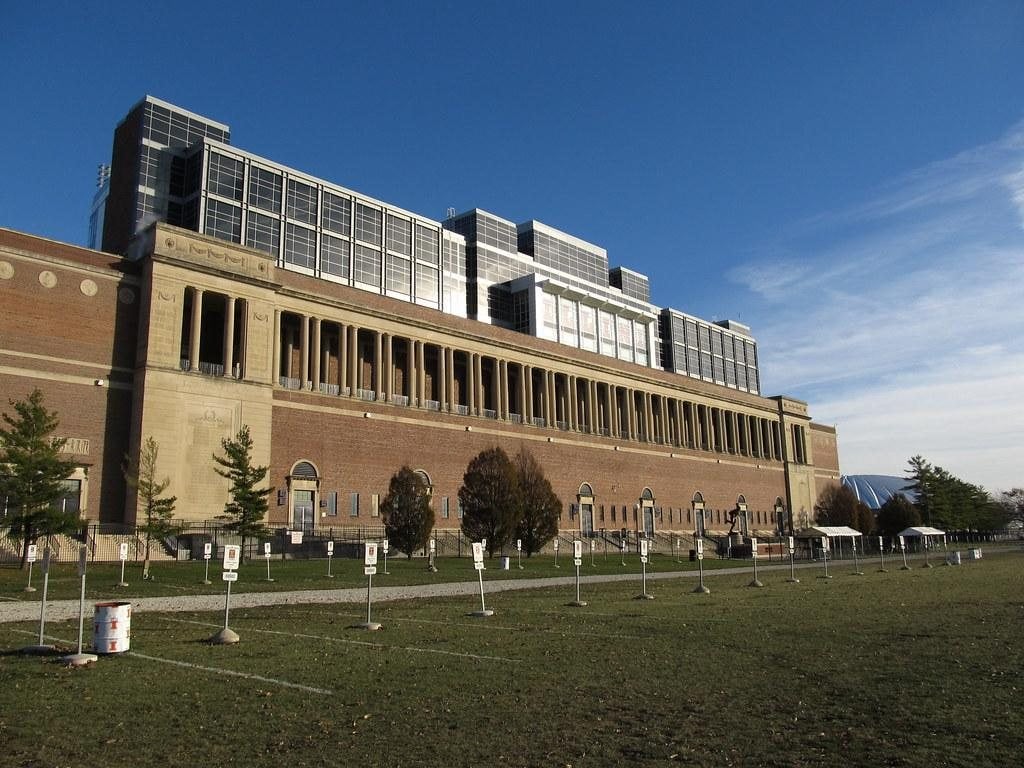
On Sept. 22, 1985, music became a national megaphone for America’s family farmers. The first Farm Aid concert filled Memorial Stadium in Champaign, Illinois, with 80,000 people and brought together an unusually broad lineup that included Willie Nelson, Neil Young, John Mellencamp, Bob Dylan, Billy Joel, B.B. King, Bonnie Raitt, Loretta Lynn, Roy Orbison and Tom Petty. Organized in only six weeks after Dylan’s Live Aid comments about the farm crisis helped spur action, the event raised more than $7 million. Its importance extended beyond one concert: Farm Aid became America’s longest-running benefit concert series, using performances, fundraising and advocacy to focus attention on family farms and rural communities. For Illinois, the day remains one of the state’s most consequential intersections of music and public life.
Get The Latest News!
Don't miss our top stories and need-to-know news everyday in your inbox.
September 22 had already produced major moments in musical history long before Farm Aid. In 1869, Richard Wagner’s Das Rheingold received its world premiere at Munich’s Court and National Theatre. The opera was the opening work, or “preliminary evening,” of Wagner’s four-part Der Ring des Nibelungen cycle. Its debut came under unusual circumstances: Wagner’s patron, King Ludwig II of Bavaria, ordered the performance despite the composer’s objections, and Wagner did not attend. Yet the score’s bold orchestral writing, continuous musical flow and mythic scale announced the ambitions of the Ring. When the complete cycle was eventually presented at Bayreuth in 1876, it helped redefine what grand opera could demand from composers, musicians, theaters and audiences.
A century later, on Sept. 22, 1969, the Band released its self-titled second album, widely known as the “Brown Album.” The record arrived at a moment when much of rock music was chasing louder sounds, studio spectacle and psychedelic excess. Robbie Robertson, Levon Helm, Rick Danko, Richard Manuel and Garth Hudson instead made an album that drew from country, blues, gospel, R&B, folk, rockabilly and old-time band music. Songs including “Up on Cripple Creek,” “Rag Mama Rag” and “The Night They Drove Old Dixie Down” created a vivid, sometimes mythic American landscape. The Library of Congress later placed the album in the National Recording Registry, recognizing its cultural, historical or aesthetic importance. Its blend of styles became a durable model for roots rock and Americana.
On the same date in 1972, David Bowie opened the North American leg of his Ziggy Stardust tour at Cleveland’s Music Hall. It was Bowie’s first U.S. concert and introduced American audiences to the glittering alien-rock-star character that had transformed him in Britain. Backed by the Spiders from Mars, Bowie played songs from Hunky Dory and The Rise and Fall of Ziggy Stardust and the Spiders from Mars, while also previewing material associated with Aladdin Sane. The performance was more than a tour stop: Ziggy fused music, fashion, theatrical character and gender-bending imagery into a pop identity that made a lasting impression on rock performance. Bowie’s American breakthrough helped expand the possibilities for glam rock and for the concert stage as a place of reinvention.
The next year, Sept. 22, 1973, the Rolling Stones’ Goats Head Soup reached No. 1 on the United Kingdom’s albums chart. The album had been recorded largely outside Britain while the group was living abroad for tax reasons, with key sessions in Jamaica and the United States. Its chart success reflected the Stones’ continued command of rock audiences after the sprawling Exile on Main St. The record’s most enduring song, the ballad “Angie,” also became a major international hit. Although Goats Head Soup was less raw than some of the band’s earlier work, its arrival at the top of the British chart showed that the Stones could change texture without surrendering their cultural reach.
Then came Farm Aid in Champaign in 1985. Nelson, Young and Mellencamp did not frame the gathering merely as an all-star show. They used popular music’s reach to direct attention toward farmers facing debt, falling land values and high interest rates. The concert’s mix of country, rock, blues and pop performers made the cause visible to audiences that might not otherwise have encountered the issue. Farm Aid’s first show also demonstrated the lasting potential of the benefit-concert format: artists could donate their work, television could widen the audience and proceeds could support organizations closest to people in need. The annual festival that followed has made that model part of American music culture.
Country music marked Sept. 22 again in 1999, when the 33rd annual Country Music Association Awards were presented at Nashville’s Grand Ole Opry House. Shania Twain won entertainer of the year, a recognition of her crossover-era impact and the enormous audience for Come On Over. Tim McGraw won both male vocalist and album of the year, for A Place in the Sun, while Martina McBride was named female vocalist of the year. The Chicks’ “Wide Open Spaces” won both single and music video of the year. The telecast also reflected country’s increasingly porous borders with mainstream pop: Alabama and NSYNC performed “God Must Have Spent a Little More Time on You” together. The awards captured a period when Nashville’s sound and audience were expanding rapidly.
On Sept. 22, 2015, a federal judge in Los Angeles issued a decision with broad implications for one of the world’s most familiar songs, “Happy Birthday to You.” The court concluded that the companies claiming the copyright did not own a valid copyright in the song’s lyrics. For decades, the song’s use in films, television programs and other commercial settings had often involved licensing fees. The ruling did not create the song, nor did it settle every historical question around its early publication, but it removed the asserted ownership that had shaped its use for years. It was a reminder that music history is not only made in studios, theaters and stadiums; it is also shaped by legal decisions that determine who may perform, record and share songs.
From Wagner’s opera house to Bowie’s Cleveland debut, from the Band’s roots-rock vision to the first Farm Aid in Illinois, Sept. 22 shows music working on several scales at once. It can build an artistic world, launch a persona, reshape a genre, unite artists around a public crisis and even test the limits of copyright. That range is part of what makes the date resonate across more than a century and a half of music history.
More like this:


- Most Popular

- Top Stories



- Most Recent


