First Human Case of West Nile Virus in Illinois for 2021
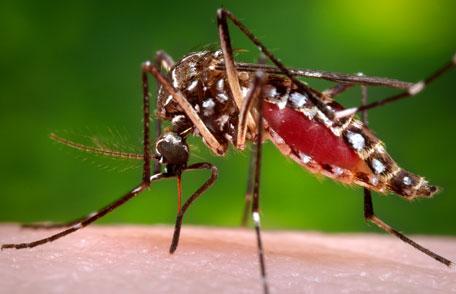
SPRINGFIELD – The Illinois Department of Public Health (IDPH) is reporting the first confirmed human case of West Nile virus in Illinois for 2021. The Centers for Disease Control and Prevention confirmed today that a Cook County resident in his 80s who became ill in mid-June tested positive for West Nile virus.
Get The Latest News!
Don't miss our top stories and need-to-know news everyday in your inbox.
“While we continue to battle the COVID-19 pandemic, we must also remember to take steps to protect our health from other illnesses,” said IDPH Director Dr. Ngozi Ezike. “West Nile virus is something we see every year in Illinois and it is important people take steps to prevent mosquito bites and the viruses they carry by wearing insect repellent and getting rid of standing water around their homes.”
Last year, 26 counties in Illinois reported a West Nile virus positive mosquito batch, bird, horse, and/or human case. For the 2020 season, IDPH reported 42 human cases (although human cases are underreported), including four deaths.
West Nile virus is transmitted through the bite of a Culex pipiens mosquito, commonly called a house mosquito, which has picked up the virus by feeding on an infected bird. Common symptoms include fever, nausea, headache and muscle aches. Symptoms may last from a few days to a few weeks. However, four out of five people infected with West Nile virus will not show any symptoms. In rare cases, severe illness including meningitis, or even death, can occur. People older than 60 and individuals with weakened immune systems are at higher risk for severe illness from West Nile virus.
Precautions to Fight the Bite include practicing the three “R’s” – reduce, repel, and report.
REDUCE – make sure doors and windows have tight-fitting screens. Repair or replace screens that have tears or other openings. Try to keep doors and windows shut.
Eliminate, or refresh each week, all sources of standing water where mosquitoes can breed, including water in bird baths, ponds, flowerpots, wading pools, old tires, and any other containers
REPEL - when outdoors, wear shoes and socks, long pants and a light-colored, long-sleeved shirt, and apply an EPA-registered insect repellent that contains DEET, picaridin, oil of lemon eucalyptus, or IR 3535 according to label instructions. Consult a physician before using repellents on infants.
REPORT – report locations where you see water sitting stagnant for more than a week such as roadside ditches, flooded yards, and similar locations that may produce mosquitoes. The local health department or city government may be able to add larvicide to the water, which will kill any mosquito larvae.
Additional information about West Nile virus can be found on the IDPH website.
More like this:


- Most Popular



- Top Stories



- Most Recent