


Gov. Pritzker Signs Equity Driven Healthcare Reform Legislation
SPRINGFIELD – In a major step forward in the work to expand health equity across Illinois, Governor JB Pritzker today signed the Health Care and Human Services Reform Act into law.
The legislation, which represents the Illinois Legislative Black Caucus’ healthcare pillar, takes sweeping action to address health inequities and obstacles while establishing new programs, increasing oversight and trainings, building out a Community Health Worker certification and training program and improving transparency.
Get The Latest News!
Don't miss our top stories and need-to-know news everyday in your inbox.
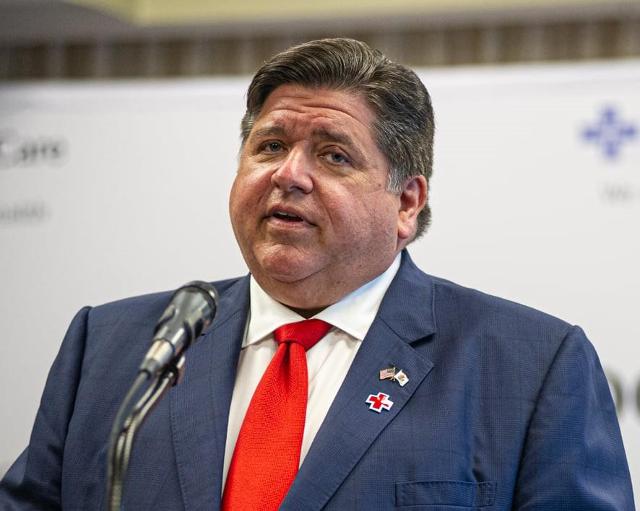
“Today, it’s my privilege to sign the fourth and final pillar from the Illinois Legislative Black Caucus into law, the Illinois Health Care and Human Services Reform Act,” said Governor JB Pritzker. “This legislation advances a key belief of mine that I know is shared by everyone standing with me, and millions of residents across Illinois: healthcare is a right, not a privilege. Thanks to the Black Caucus’ four pillars, now law, Illinois is a few steps closer to the justice our residents deserve.”
This legislation builds upon significant administration efforts toward health equity including expanding telehealth coverage in order to increase healthcare access to vulnerable and rural populations, including mental health services; eliminating the Medicaid backlog; bringing an additional $250 million in federal healthcare funding to Illinois; signing the Healthcare and Hospital Transformation bill into law; and working with the General Assembly to make Illinois the first state in the nation to offer healthcare access assistance to undocumented seniors.
“The COVID-19 pandemic has underlined the systemic economic, educational and health disparities that have historically plagued African Americans across our country. For centuries, Black people have been disrespected, abused and misused in the name of health care, starting with the abuse of the enslaved,” said Senate Majority Caucus Chair Mattie Hunter (D-Chicago). “To prevent future harm to one of our most vulnerable populations, we have enacted this informed policy, with the goal of deep, intense reform.”
“The four pillars of the ILBC Black Policy Agenda to address systemic racism and will provide justice while improving the lives of underserved families across Illinois,” said State Representative Camille Y. Lilly (D-Chicago). “The Illinois Health Care and Human Services Reform Act will improve the quality of healthcare, ensure dignity for our seniors as they age, increase the availability of mental health services, improve hospital access and combat medical racism and implicit bias in order build trust between Black, Brown and poor communities and health care providers.”
"People in the Black community have lost faith in Illinois' health care system because of unequal access to care. Quality health is a necessity and should be available to everyone, regardless of race or income," said Senate Majority Leader Kimberly A. Lightford (D-Maywood). "The Black community’s health and our care has been devalued for far too long. With this law, we are taking the first steps to reshape the direction of our state's health care, leading with diversity, inclusion, and justice at the center."
“The Healthcare pillar for the Illinois Legislative Black Caucus is about equity and access to quality healthcare,” said State Representative LaToya Greenwood (D-East St. Louis). “The importance of implicit bias training for hospital staff and perinatal doula services and evidence-based home visiting services to be covered under the medical assistance program for persons who are otherwise eligible for medical assistance will be critical to all Illinoisans. We have more work to do to address black maternal mortality which is a health crisis in our state, but this is another step in the right direction,”
“This legislation takes a wide range of steps to address the inequities that exist in health care for too many people across our state, particularly for people of color, but also for people in rural communities and working families across the state,” said Illinois Department of Healthcare and Family Services Director Theresa Eagleson. “Removing barriers and making sure all Illinoisans can reach the services they need is critical to achieving better health outcomes for children, adults, and families, and will make for a healthier Illinois.”
The Health Care and Human Services Reform Act will:
Expand Health Care Access and Equity
- Creates a Community Health Workers program which will include training and certification, ensuring Illinoisans are better able to access help from trained health workers.
- Adds implicit bias training to the required training for interns, residents and physicians so that they are better prepared to serve all of Illinois’ residents.
- Creates the Underlying Causes of Crime and Violence Study Act, which will study how to create a process to identify high violence communities, also known as R3 (Restore, Reinvest, and Renew) areas, and prioritize state dollars to address underlying health issues and underlying causes of violence.
- Reduces taxes on all blood sugar testing products to 1%.
- Amends the Employee Paid Sick Leave Act to include care of children, parents, step-parents, in-laws, and grandparents.
- Requires the Health Facilities and Services Review Board conduct a racial equity impact assessment for all future hospital closure applications that is publicly viewable.
- Creates the Health and Human Services Taskforce which will review health and human service departments and programs with the goal of improving health and human service outcomes for Illinois residents.
- Creates the Anti-Racism Commission to identify and propose statewide policies to eliminate systemic racism.
- Creates the Medicaid Business Opportunity Commission within HFS to develop a program to support and grow minority, women, and persons with disability owned businesses.
Improve Children’s Health, Women’s Health, Mental Health and Addresses Substance Abuse
- Requires day care providers to be trained in childhood emotional learning, trauma, and adverse experiences.
- Creates the Special Commission on Gynecologic Cancer to study issues relating to gynecologic cancer and present a report to reduce disparities and promote best practices.
- Prevents a person who seeks or obtains emergency medical assistance for an overdose or someone experiencing an overdose from being arrested or charged.
- Expands coverage of doula services and home visiting services for pregnant women.
- Increases payment rates for psychiatric treatment at hospitals serving primarily low-income patients.
Improve Quality of Care for All Illinois Residents
- Requires that any intern, resident, or physician providing services at a hospital have proper credentials and any required certificates for ongoing training.
- Instructs hospitals to provide N95 masks to all physicians and nurses free of charge.
- Increases dementia training and requires continuing annual trainings.
HB 158 takes effect immediately.
More like this:




- Most Popular



- Top Stories

- Most Recent


- Sign In
- Home
- Video
- News
-
Weather
 Sponsored by Michael Ryan Exteriors - Roofing Professionals
 - Sports
- Obits
- Events
- Radio
- AP News
- Shop Local
- Classifieds
- Autos
- Real Estate
- Directory
Get the RiverBender App


Follow Us
Copyright © 2026 RiverBender.com All rights reserved.
primary