

Gov. Pritzker Strengthens Legal Protections And Support Systems For Children
Legislation will improve child abuse investigations and better prepare youth transitioning out of foster care, adds grooming to definition of sexual misconduct.
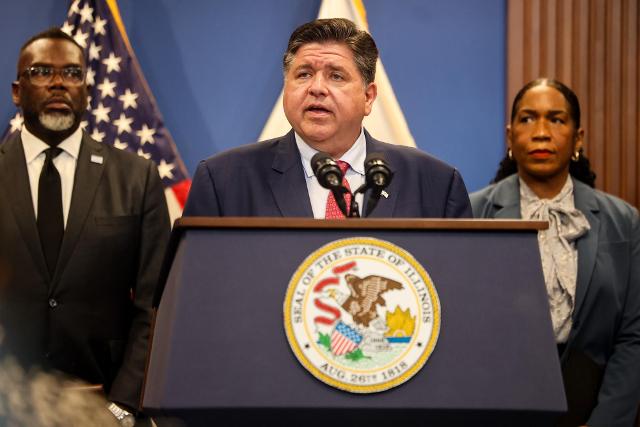 CHICAGO – Today, Governor JB Pritzker signed into law three bills that will keep Illinois children from falling through the cracks in the systems that are meant to support them as they grow up. This includes developing more comprehensive next steps to support young people aging out of the foster care system, clarified definition and identification of sexual misconduct within schools, and efficient information-sharing systems for the teams who investigate cases of reported abuse.
Get The Latest News!
Don't miss our top stories and need-to-know news everyday in your inbox.
“Every child deserves a bright future, and I am committed to providing youth in Illinois with the resources, support, and protections needed to get there,” said Governor JB Pritzker. “Children should feel safe in schools, foster homes, and other spaces in our communities dedicated to their growth and development. This legislation ensures abuse survivors receive comprehensive, compassionate care and prevents future exploitation.”
“Together, these three bills are about making sure no child is overlooked by systems put in place for their protection,” said Lieutenant Governor Juliana Stratton. “We can and will help young people thrive while they transition to the next stage in life. We're here to lead with care and compassion for all Illinoisans.”
Governor Pritzker signed the following bills into law:
- SB 3196: Requires the Illinois Department of Children and Family Services to consult with the Statewide Youth Advisory Board to develop rules concerning transition planning for youth aging out of foster care (Sen. Collins/Rep. Mayfield), effective January 1, 2027
- SB 3510: Strengthens child abuse investigation protocols and expands data sharing amongst law enforcement and medical professionals (Sen. Morrison/Rep. Mussman), effective January 1, 2027
- HB 4534: Reinforces professional boundaries between educators and students, increases transparency regarding school misconduct policies, and defines grooming as a form of abuse (Rep. Mussman/Sen. Collins), effective January 1, 2027
Together, these laws will strengthen the systems and standards that keep children safe, provide improved support for those who have experienced abuse, and create pathways toward a bright future for every kid who grows up in Illinois.
Support Systems for Youth Exiting Foster Care
In Illinois, young adults are permitted to legally choose to leave the foster care system at age 18, with the Illinois Department of Children and Family Services (DCFS) allowing some extensions until age 21. Aging out of foster care can be an overwhelming transition for kids – one that must be approached with a thoughtful, informed, and compassionate plan to support young people into independence.
SB 3196 amends the Children and Family Services Act to require DCFS to consult with the Statewide Youth Advisory Board (SYAB) when developing rules concerning transition planning for youth aging out of foster care.
The law will enact the following measures:
- SYAB will advise DCFS on how transition plan next steps should be communicated to youth in a clear, timely, and age-appropriate manner
- Require DCFS to develop a formal financial transparency process that will allow youth to request the amount of money held on their behalf, as well as written records detailing how these funds have been maintained while they were in the foster care system
- Clarify the responsibilities of DCFS while a child is in temporary custody
- Ensure youth have the opportunity to speak at Successful Transition to Adulthood Review (STAR) hearings about their goals and concerns regarding adulthood
“We need to be providing our youth with support and stability as they transition into adulthood,” said State Representative Rita Mayfield (D-Waukegan). “It can be an intimidating phase of life, but with this legislation we’re offering them crucial support and access to information on the resources they need to build a secure future. They deserve to feel seen and understood.”
“Young people leaving our state’s care deserve more than a checklist, and this legislation builds around their goals, experiences and needs,” said State Senator Lakesia Collins (D-Chicago). “This law gives youth a stronger voice in planning their futures while ensuring they have the skills, resources and support necessary to step into adulthood with confidence.”

Comprehensive and Confidential Abuse Investigation Processes
Child Advocacy Centers are at the forefront of the fight to prevent and investigate cases of child abuse, while also providing support for survivors by connecting children and families with a team of medical, law enforcement, mental health, prosecution, child protective services, and victim advocacy professionals in a setting safe for kids. ?
There are currently 41 centers in Illinois providing victims and their families with access to quality, timely care in every county and amplifying awareness to combat child abuse. This care includes child-centered forensic interviews, counseling, prevention education, and legal support.
SB 3510 amends the Children’s Advocacy Center Act to create protocols that make child abuse investigations more efficient, comprehensive, and confidential, while maintaining the highest level of compassionate care.
The law enacts the following measures:
- Improves coordination and confidentiality within each center’s multidisciplinary team by providing records relevant to a child abuse investigation
- Permits Department of Children and Family Services (DCFS) personnel and, if appropriate, school personnel to be added to a center’s multidisciplinary team approach
- Allows team members to notify a parent, guardian, or adult loved one regarding a forensic interview
- Establishes that the second or subsequent conviction of endangering the life or health of a child is a Class 3 felony
“The wellbeing and safety of our children is paramount,” said State Representative Michelle Mussman (D-Schaumburg). “When it comes to child endangerment, we need the system to work efficiently and effectively, while also protecting the privacy of young children and their families. Legislation like this is vital, not only to streamline the process already in place, but also to hopefully provide even more support to a child who has gone through a traumatic experience.”
Clear Boundaries for Teachers and Employees
Schools should be a place where every child feels safe, and HB 4534 ensures this by creating clear policies and accountability measures for adult teachers, administrators, and staff.
Importantly, HB 4534 expands the School Code and Abused and Neglected Child Reporting Act by redefining patterns of grooming behavior as a form of abuse under state law. Grooming is a deliberate process of manipulation, often with the end result of sexual abuse and exploitation. This amendment will allow DCFS to investigate grooming allegations and intervene before physical misconduct occurs.
The legislation enacts the following measures:
- Require school districts, charter schools, and private schools to maintain and publicly post employee professional conduct policies, provide clear methods for reporting staff-student boundary violations, and establish behavioral expectations between school employees and students
- Expands the definition of sexual misconduct to include grooming – conduct intended to establish an inappropriate romantic or sexual relationship with a student, such as sexual or romantic invitations, soliciting dates, engaging in sexualized conversations or making sexually suggestive comments
- Reinforces educator training requirements and references existing state and federal reporting obligations
“Child abuse can come in many shapes and forms; some may be easily identifiable, some may not be. Grooming can mimic positive adult child interactions,” said State Representative Michelle Mussman (D-Schaumburg). “What may seem harmless at first, can very quickly become a dangerous situation for children and young people. Our goal with this legislation is to strengthen our existing laws to help better identify and prevent grooming in educational settings.”
“Grooming is a form of abuse that can cause lasting harm, and our laws must give child welfare professionals the tools to recognize and respond to it before that harm escalates,” said State Senator Lakesia Collins (D-Chicago). “This law strengthens protections for children by ensuring that grooming behaviors intended to establish a romantic or sexual relationship are appropriately recognized within our child abuse laws.”
Governor Pritzker is committed to keeping kids safe and healthy within the systems and structures intended to help them explore, learn, and grow – in the classroom, at home, online and on social media. The three pieces of legislation signed into law today are the most recent effort by the State to ensure that every child, no matter their circumstances, is afforded the opportunity at a bright future and provided with the resources needed to thrive.
More like this:




- Most Popular

- Top Stories



- Most Recent