

How to Preserve Fall Foliage for Decorations: Capturing Nature’s Vibrant Palette
Did you know that leaves can retain their brilliant colors for months when preserved correctly, allowing you to enjoy nature’s artistry long after they’ve fallen?
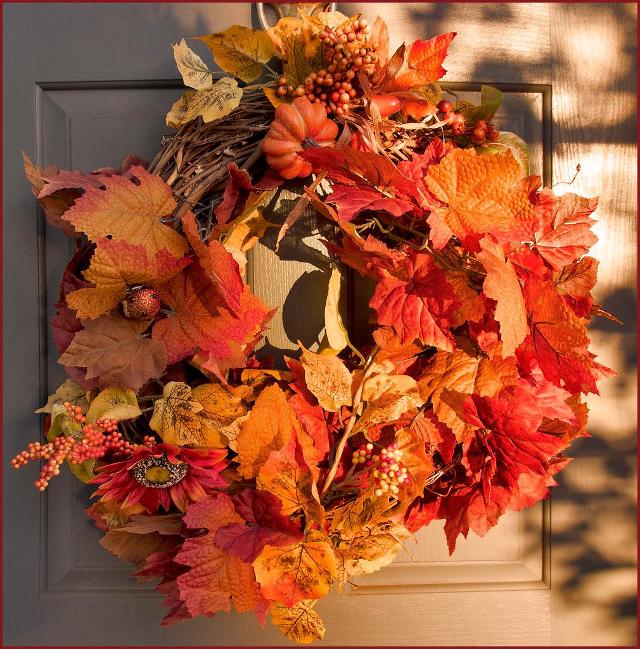
Did you know that leaves can retain their brilliant colors for months when preserved correctly, allowing you to enjoy nature’s artistry long after they’ve fallen? While the fleeting beauty of autumn leaves is often admired outdoors, the ability to immortalize these vibrant hues can transform simple foliage into lasting home décor, craft projects, or even gifts. Preserving fall leaves is both an art and a science, combining careful selection, proper techniques, and a bit of patience.
Understanding Why Leaves Change Color
Get The Latest News!
Don't miss our top stories and need-to-know news everyday in your inbox.
Before diving into preservation, it’s useful to understand what makes fall foliage so captivating. Leaves turn shades of red, orange, yellow, and purple due to the breakdown of chlorophyll, revealing underlying pigments like carotenoids and anthocyanins. These pigments, however, are delicate and prone to fading and curling once the leaf detaches from the tree. Preservation methods aim to maintain the leaf’s shape, color, and texture, counteracting natural deterioration.
Selecting the Right Leaves for Preservation
Not all fall leaves are created equal when it comes to preserving them for decorations. Choosing the right specimens will significantly impact the final result.
- Color and Condition: Look for leaves that are bright and freshly fallen without signs of decay, holes, or excessive brittleness. Leaves that are still supple and vibrant will respond better to preservation techniques.
- Type of Tree: Some species retain color and structure more effectively. For example, sugar maples, red maples, and sweetgums are popular choices because of their rich colors and sturdy texture.
- Size and Shape: Consider the intended use. Larger leaves may be excellent for framing or table centerpieces, while smaller, delicate leaves might be better suited for cards or ornaments.
Popular Methods for Preserving Fall Leaves
There are several tried-and-true methods to preserve leaves, each with unique advantages and considerations. Here are some of the most effective techniques:
1. Pressing Leaves
Pressing is one of the simplest and most traditional methods.
- Process: Place leaves between sheets of absorbent paper (like newspaper or parchment paper) and insert them inside a heavy book or a dedicated flower press. Leave them for 1-2 weeks.
- Benefits: This method flattens leaves, making them ideal for framing, scrapbooking, or card-making. It preserves color moderately well if done quickly after collection.
- Limitations: Pressed leaves lose their three-dimensional form and may become brittle.
2. Glycerin Soaking
Glycerin helps maintain leaf flexibility and color.
- Process: Mix two parts water with one part glycerin in a shallow pan. Submerge the leaves and weigh them down so they stay submerged. Leave for 2-6 days.
- Benefits: Treated leaves become supple and retain vibrant colors. They’re excellent for wreaths, garlands, and arrangements.
- Example: A craft enthusiast shared that glycerin-treated oak leaves remained pliable and colorful for months, allowing for intricate centerpiece designs.
- Limitations: Leaves darken slightly and may develop a glossy finish.
3. Wax Dipping
Coating leaves in wax can lock in color and add durability.
- Process: Melt paraffin or beeswax in a double boiler. Using tongs, dip each leaf briefly in the wax, shake off excess, and let it cool on wax paper.
- Benefits: Waxed leaves are sturdy and water-resistant, suitable for long-lasting decorations like mobiles or place settings.
- Limitations: The process can be messy, and wax may alter the natural texture.
4. Using Silica Gel
Silica gel is a desiccant that dries leaves quickly while preserving shape and color.
- Process: Bury leaves in silica gel crystals inside an airtight container. Leave for several days until fully dried.
- Benefits: This technique preserves color exceptionally well and maintains leaf form, ideal for delicate craft projects or displays.
- Limitations: Silica gel can be costly and requires careful handling.
Practical Tips for Successful Preservation
- Collect Leaves Early: Leaves are best preserved when freshly fallen, before they become brittle or start decomposing.
- Avoid Moisture: Dry leaves thoroughly before preservation to prevent mold or decay.
- Handle Gently: Leaves are fragile; use tweezers or soft gloves to avoid tears and bruises.
- Test Small Batches: Experiment with a few leaves first to determine which method suits your needs best.
- Store Properly: Once preserved, keep leaves away from direct sunlight and humidity to prolong their lifespan.
Creative Uses for Preserved Fall Leaves
Preserved foliage can serve many decorative purposes:
- Home Décor: Frame pressed leaves for wall art or arrange glycerin-treated leaves in glass bowls as a centerpiece.
- Craft Projects: Use waxed leaves to make seasonal ornaments or decorate greeting cards.
- Gift Wrapping: Attach preserved leaves to gift packages for a natural touch.
- Table Settings: Place individual leaves at each setting or incorporate them into napkin rings for autumnal gatherings.
One artisan described how preserved leaves added a personal, organic element to wedding décor, offering guests keepsakes that echoed the event’s seasonal theme.
Preserving fall foliage is a rewarding way to extend the life of nature’s colorful display beyond its transient outdoor presence. By carefully selecting leaves and applying appropriate preservation techniques—whether pressing, glycerin soaking, wax dipping, or silica gel drying—anyone can create enduring decorations that celebrate the palette of autumn. These preserved leaves not only enhance décor but also offer a tangible connection to the natural world, inviting creativity and appreciation long after the season has passed.
More like this:




- Most Popular



- Top Stories


- Most Recent