


IDoA releases Hot Tips to aid older adults during hot weather as heat indexes continue to rise

SPRINGFIELD – As the summer continues to heat up across the state, it is important that community members continue to check on older persons who may be unable or unwilling to seek assistance. Heat-related illness can be life threatening, and health problems and isolation are factors that make older adults particularly susceptible to heat stress.
Get The Latest News!
Don't miss our top stories and need-to-know news everyday in your inbox.
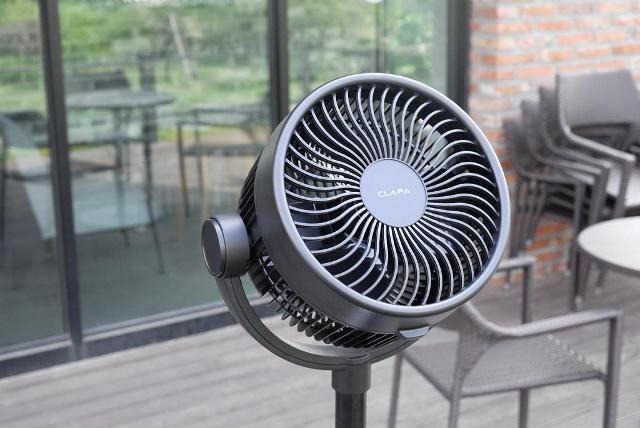
Older adults have a reduced capacity to perspire and are therefore more vulnerable to heat. As a result, people who do not perspire are not helped by fans; they must have air conditioning to recover from the accumulating effect of the heat. A few hours a day in air conditioning is extremely important to protect health and life.
 “It’s important that we take care of each other within our communities. Excessive heat can be extremely dangerous for many people, especially older adults,” says Jean Bohnhoff, Director of the Illinois Department on Aging (IDoA). “I encourage people across the state to take the time to check in on the older adults in and around your community. Fifteen minutes out of your day could help save an older adult from serious effects of heat-related illness,” she continued.
Below are several facts and tips for dealing with excessive heat; these Hot Tips and other resources can also be found on the IDoA website:
WHAT IS A HEAT WAVE?
- Heat waves are the second leading cause of death among weather-related events.
WHAT IS A HEAT INDEX?
-
Generally, a heat wave is three straight days of 90 degree temperatures or more with high humidity.
-
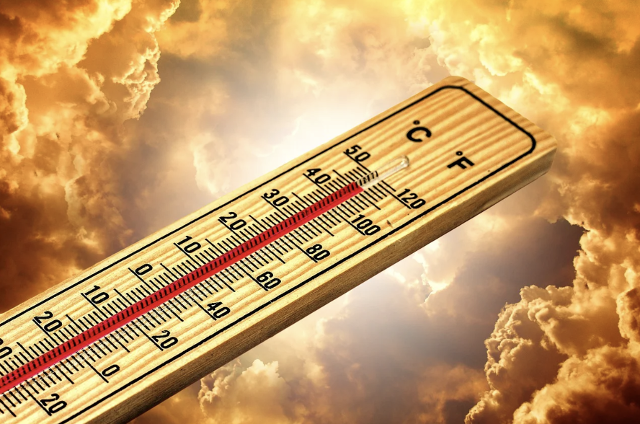
High temperatures and high relative humidity determine the heat index.
- In summer, humidity makes it feel hotter. If the temperature is 90 degrees and the relative humidity is 80 percent, it will feel like it is 113 degrees. Your body will react to the 113 degree temperature.
WHAT CAN BE DONE TO BEAT THE HEAT
Some common sense tips for handling the heat include the following:
-
Drink lots of water and natural juices (avoid alcoholic beverages, coffees and colas)
-
Avoid going out into blazing heat whenever possible
-
Avoid or minimize physical exertion
-
Article continues after sponsor message
Keep shades drawn and blinds closed, but windows slightly open
-
Do not place tin foil over your windows as the room temperature will rise
-
Keep electric lights off or turned down
-
Take frequent cool baths or showers and use cool towels
-
Remain in air conditioning either at home or at a cooling center (1-2 hours in air conditioning can prevent a person from becoming ill)
-
Wear loose clothing
-
Do not eat heavy meals (eat small meals and eat more often)
-
Avoid using cooking ovens
-
Avoid using salt tablets unless directed to do so by a physician
-
If you are taking medications, check with your pharmacist or your doctor on any side effects that heat may contribute to
-
Check on family members, friends and neighbors
-
Take the heat seriously; do not ignore danger signs like nausea, dizziness and fatigue
If you or anyone you know needs medical attention, call 911 or the local Police Department immediately.
IDoA and local Area Agencies on Aging (AAA’s) work hand-in-hand to assist older persons at risk. During heat emergencies, communities are involved in door-to-door outreach; senior centers, adult day care sites and other familiar public buildings throughout communities are used as cooling centers. Information and assistance is available on an ongoing basis through the network of local agencies serving older persons where you live.
More like this:


- Most Popular



- Top Stories



- Most Recent

- Sign In
- Home
- Video
- News
-
Weather
 Sponsored by Michael Ryan Exteriors - Roofing Professionals
 - Sports
- Obits
- Events
- Radio
- AP News
- Shop Local
- Classifieds
- Autos
- Real Estate
- Directory
Get the RiverBender App


Follow Us
Copyright © 2026 RiverBender.com All rights reserved.
primary