Illinois Closes Gray Fox Hunting And Trapping Season Indefinitely

SPRINGFIELD - The hunting and trapping seasons for gray fox (Urocyon cinereoargenteus) are closed effective immediately.
Get The Latest News!
Don't miss our top stories and need-to-know news everyday in your inbox.
Surveys and preliminary results of current research indicate a substantial decline in gray fox distribution and abundance in the last ten years. Even though Illinois hunters and trappers harvest very few gray foxes, this closure will remove any additional pressure and additive mortality from harvest. The Illinois Department of Natural Resources (IDNR) will continue to conduct annual surveys and evaluate the gray fox population in Illinois.
On June 30, Gov. JB Pritzker signed into law Public Act 104-0019, which changed language in the Illinois Wildlife Code and allows IDNR to open or close the gray fox season by administrative rule. This bill was an IDNR initiative with broad support from diverse conservation groups including the Illinois Trappers Association and support from legislators across the state. On July 9, the department filed administrative rules indefinitely closing the hunting and trapping seasons for gray fox.
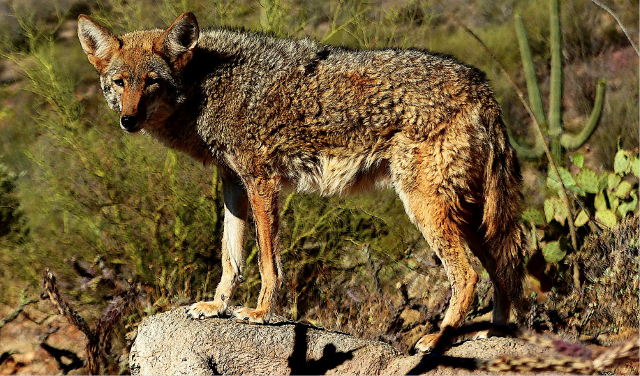
Research indicates the gray fox population is on the decline and the closure of the hunting and trapping seasons is a responsible change to protect the species and is supported by most hunters and trappers. Reasons for this decline are complex, but most research indicates that diseases such as canine distemper and competition from other canids, like coyotes, are the primary causes.
IDNR uses the best available science to guide the management of furbearers in Illinois. In the last 25 years, the department opened a trapping season for river otter and a hunting and trapping season for bobcat. The data from research and surveys indicate the populations can support a carefully managed otter and bobcat season and allow these species to thrive throughout the state. IDNR will continue to monitor the population and look for ways to reverse the decline.
About IDNR
The Illinois Department of Natural Resources is celebrating 100 years of conservation and service to the people of Illinois throughout 2025. The department was established July 1, 1925, as the Illinois Department of Conservation, bringing under one umbrella oversight of fish and game, forestry, public works, and lakes.
Today, IDNR’s work encompasses management of about 400 sites across Illinois, including state parks and historic sites; wildlife, fisheries, forestry, and natural heritage; Lake Michigan water allocation and coastal management; conservation police; mines and minerals; oil and gas; issuance of licenses, permits, and numerous grants; the World Shooting and Recreational Complex in Sparta; and the Illinois State Museum. Visit https://dnr.illinois.gov for more information.
More like this:


- Most Popular



- Top Stories



- Most Recent