
Irrigate Gardens To Beat Summer Heat
 URBANA — As the air conditioners crank up this summer, so do the watering needs of the garden. Watering is one the simplest and most routine gardening tasks, but there are ways to make it more efficient.
“The general rule of thumb for summer watering is about 1 inch of water per week for most herbaceous plants in the garden, but there are plenty of exceptions to the rule,” says
Don't miss our top stories and need-to-know news everyday in your inbox.Get The Latest News!
/AAMFlAA
/RgRizt4ZP0QzaHR0cHM6Ly9leHRlbnNpb24uaWxsaW5vaXMuZWR1L3N0YWZmL3JpY2hhcmQtbGl0dGxlVwNzcGNCCmDoGVnsYIeZcvpSFG5ld3NAcml2ZXJiZW5kZXIuY29tWAQAAAAE?utm_source=riverbender&utm_medium=article_link" target="_blank" rel="noopener noreferrer">Austin Little, University of Illinois Extension horticulture educator.
When daytime temperatures start to get into the 90s, Little recommends doubling the irrigation amount to 2 inches per week, depending on how fast the soil is drying out.
One simple way to monitor how much water the garden is getting is to bury an empty tuna can even with the soil line. The can is 1-inch deep so it will act as a low-tech watering gauge.
“When combined with a simple rain gauge, you’ll have a pretty good idea of your garden’s weekly watering needs,” says Little.
Automated watering systems are convenient, but when it’s raining, cooler, and cloudy, or hot and windy, the watering needs will change and it’s important to adjust an automated system as needed.
On average, 1 inch of irrigation can percolate down about 8 inches into the soil. Check to see whether water is getting to the root zone by probing a few inches into the soil with a trowel, or simply digging in with your finger.
“If a lot of soil particles stick to your finger and there is noticeable moisture, then there’s likely sufficient soil water for the day,” says Little.
 Containers drain out faster than in-ground plantings, so they may need to be watered once in the morning and once again in the afternoon. Signs like drooping, curling, yellowing and dropping leaves can indicate acute water stress, but it’s not always from too little water. Signs of overwatering can look remarkably similar so check soil moisture often.
It’s usually best to water early in the morning because this allows the water to soak into the root zone where it will be the most useful to the plant as the day warms up. Watering early also helps more water to absorb into the soil. As the day heats up, as much as two-thirds of the water from irrigation can be lost to evaporation.
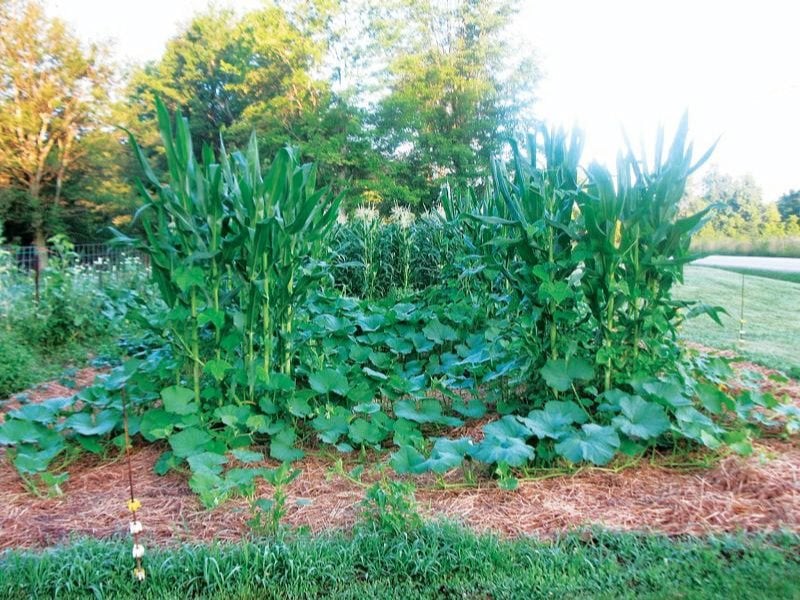
 Pairing drip lines or soaker hoses with mulch will help the soil hold onto moisture longer and keep the soil cooler on the hottest days. Place drip irrigation lines near plants and layer 2 inches of mulch over the lines and the plants. This combination will allow plants to thrive through the harshest summer heat.
SOURCE: Austin Little, Horticulture Educator, University of Illinois Extension
More like this:


- Most Popular


- Top Stories

- Most Recent