


Listen Up: Here's The Scoop On Earwax
Learn how earwax functions as a natural barrier against dirt, debris, and infections while maintaining ear moisture and health.

We’re taught at an early age the importance of keeping our bodies clean. That includes most body parts. But your ears? That’s a little more complicated.
Get The Latest News!
Don't miss our top stories and need-to-know news everyday in your inbox.
According to Chris Workman, AuD, an audiologist with OSF HealthCare, cleaning your ears is fine – in moderation.
The real question is what to do about the earwax or cerumen that tends to build up.
“Earwax is a substance that's produced by glands in the ear canal that consists of an oily substance that mixes with dead skin that sluffs off in the ear canal,” says Dr. Workman. “That produces what we know is the brown, orangey substance.”
Dr. Workman adds that earwax serves as a barrier to protect your ear canal. It traps dirt, debris and even bugs who might fly into your ear from reaching the eardrum. It guards against bacterial and fungal infections. It even keeps your ears moist, so they don’t dry out.
Typically, experts recommend doing nothing about earwax. Older earwax tends to fall out naturally over time and your ears make new earwax to replace it.
“The ear canal itself naturally has little hairs that help push it out along with the jaw movement from talking and chewing,” says Dr. Workman.
However, Dr. Workman says if you have an excessive amount of earwax, the safer route is to visit your primary care or a ear, nose and throat provider for removal. He or she can irrigate the canal, which means pumping warm water into the ear. That may require a visit once or twice a year.
And whatever you do, Dr. Workman says, avoid using a cotton swab. The eardrum is located at the end of your ear canal, about one inch deep from the outside, and it’s shallow, meaning it could easily be harmed by an object.
“We obviously want to try to avoid sticking something in the ear, as we may impact the wax. Or we may unintentionally rupture the eardrum, which could cause some permanent hearing damage,” he says.
Still, not cleaning your ears can lead to itching, pain and, in some instances, dizziness. So instead of digging inside your ear canal, Dr. Workman recommends cleaning the outer portion of the ear with a damp cloth. That can be done during a shower or bath. There are also some over-the-counter solutions which can help soften and break down earwax, but consult with your provider on those.
For people who wear hearing aids, dealing with earwax can be a little tricky.
“It can plug up a hearing aid. It can block the ear,” says Dr. Workman. “When it blocks the ear, sometimes sound can't go in, so that can impact the effectiveness of the hearing aid. But it also can cause some problems with feedback from hearing aids, where the hearing aid starts to squeal.” Dr. Workman says people with hearing aids should also clean their outer ear with a damp cloth.
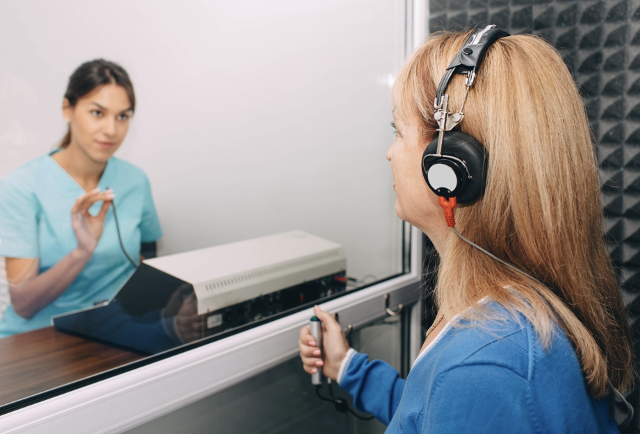
If that happens, Dr. Workman says a visit to your audiologist might be in order.
And that’s advice worth listening to.
More like this:


- Most Popular



- Top Stories

- Most Recent


- Sign In
- Home
- Video
- News
-
Weather
 Sponsored by Michael Ryan Exteriors - Roofing Professionals
 - Sports
- Obits
- Events
- Radio
- AP News
- Shop Local
- Classifieds
- Autos
- Real Estate
- Directory
Get the RiverBender App


Follow Us
Copyright © 2026 RiverBender.com All rights reserved.
primary