Local Therapist and Psych Nurse Weigh In on Psychiatric Medication Conversation


ALTON - With renewed conversations around mental health and psychiatric medication, a local therapist and psychiatric mental health nurse practitioner are sharing their thoughts on the benefits and downsides to selective serotonin reuptake inhibitors (SSRIs), ADHD meds, and other medications.
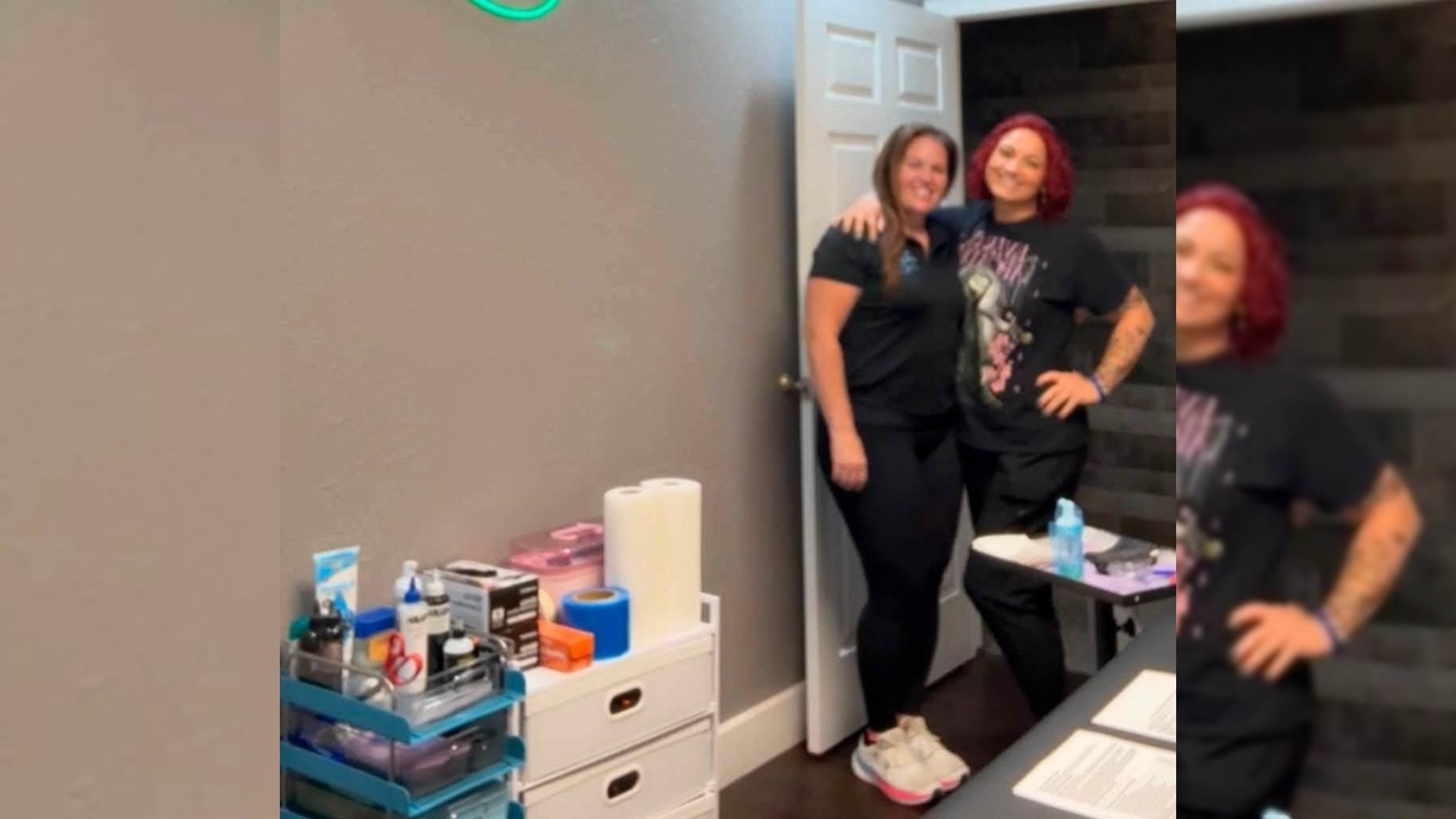
Beth Ahlin, LCPC, and owner of CE Ahlin Counseling, shared that her “holistic approach” includes medication at times, but she ultimately encourages clients to consider their options with a physician. Oyindamola Aluko, PMHNP, with Centerstone, acts as a prescriber and sees many clients who take medication; she noted that while side effects can be difficult to manage, many of her clients report good outcomes.
“Therapy with medication is good most of the time because when [clients] are in therapy, now they have more insights on how to get their medication and to take it as prescribed. And also, when they are stabilized on their medication, then they can attempt therapy,” Aluko said. “Sometimes, some people may not need medication while they’re in therapy, and some people may not need therapy and they’re just stabilized on medication.”
Ahlin echoed Aluko’s ideas about combining medication and counseling. She noted that prescribers generally do not want to “just medicate you and send you out the door.”
Instead, most prescribers encourage a collaborative approach, with therapy alongside medication. With SSRIs, which take four to six weeks to reach full effectiveness, this collaboration is especially beneficial because clients can begin to manage symptoms through therapy.
Ahlin and Aluko acknowledge that all medications, including psychiatric meds, can come with side effects. But they pointed out that untreated mental illness has an effect on one’s body, relationships and health, as well. Both professionals encourage clients to consider whether the benefits of the medication outweigh the side effects.
“No medication, whether it’s psychiatric or medical or any, is without side effects,” Ahlin said. “People should know that there are potential side effects, but they should also know that there are side effects to untreated mental health issues as well. It can be like a risks/benefits analysis.”
Aluko pointed out that the side effects also range from mild to severe, and many of them go away after the client has been taking the medication for a few weeks. An upset stomach is a common, milder side effect that will likely subside. However, more severe side effects, like tardive dyskinesia or suicidal ideation, must be addressed.
“It can be some trial and error, which is also really tough for clients,” Ahlin added. “They come in with whatever symptoms and they want to just feel better, which I totally understand and respect. But it’s not always that simple, and it’s not fast either in some cases.”
While counselors like Ahlin don’t prescribe medication, they often work closely with psychiatrists and nurse practitioners like Aluko. Most counselors and prescribers have “a mutual, reciprocal relationship,” Ahlin said, where the focus is helping the client.
Amid conversations about the addictive potential of certain psychiatric medications, like ADHD meds, both Ahlin and Aluko agree that these medications are generally not addictive if taken as prescribed by clients with ADHD symptoms. Though there is a “potential,” it’s unlikely for a client with ADHD to develop a dependence on these drugs.
“With ADHD medication, there are two classes to that medication. We have the nonstimulants and the stimulants. The stimulants are more addictive, like Adderall, Ritalin. They are addictive if they are misused,” Aluko said. “If they are used as prescribed, they are not always addictive. But people that don’t have [ADHD] and they misuse it, they overdose on it or use more than prescribed, then it’s getting addictive.”
Aluko added that while stigma can be a real issue, psychiatric medication is actually more common than you might think. One out of six American adults and one out of ten adolescents are on psychiatric medication. Aluko and Ahlin encourage people to talk to their doctors or counselors if they want to know more about psychiatric medication and how it might affect them.
“All psych meds, all medication has risks and has benefits,” Ahlin added. “It’s always a good idea to have in-depth conversations with your doctors or with your prescribers about what works for you, what doesn’t work for you. That’s where these conversations should be had, between an individual and their doctor or their medical provider.”
As the summer continues, please note that people on certain medications, including SSRIs, are more prone to heat-related illness than others.
If you or someone you know is struggling or in crisis, help is available. Call or text 988 or chat at 988lifeline.org.
More like this:




- Most Popular


- Top Stories



- Most Recent