
Madison County directs more than $18 million toward stormwater, flood mitigation
Federal recovery funding is supporting drainage improvements across Madison County, with investments ranging from a major regional project to smaller efforts addressing local flooding concerns.
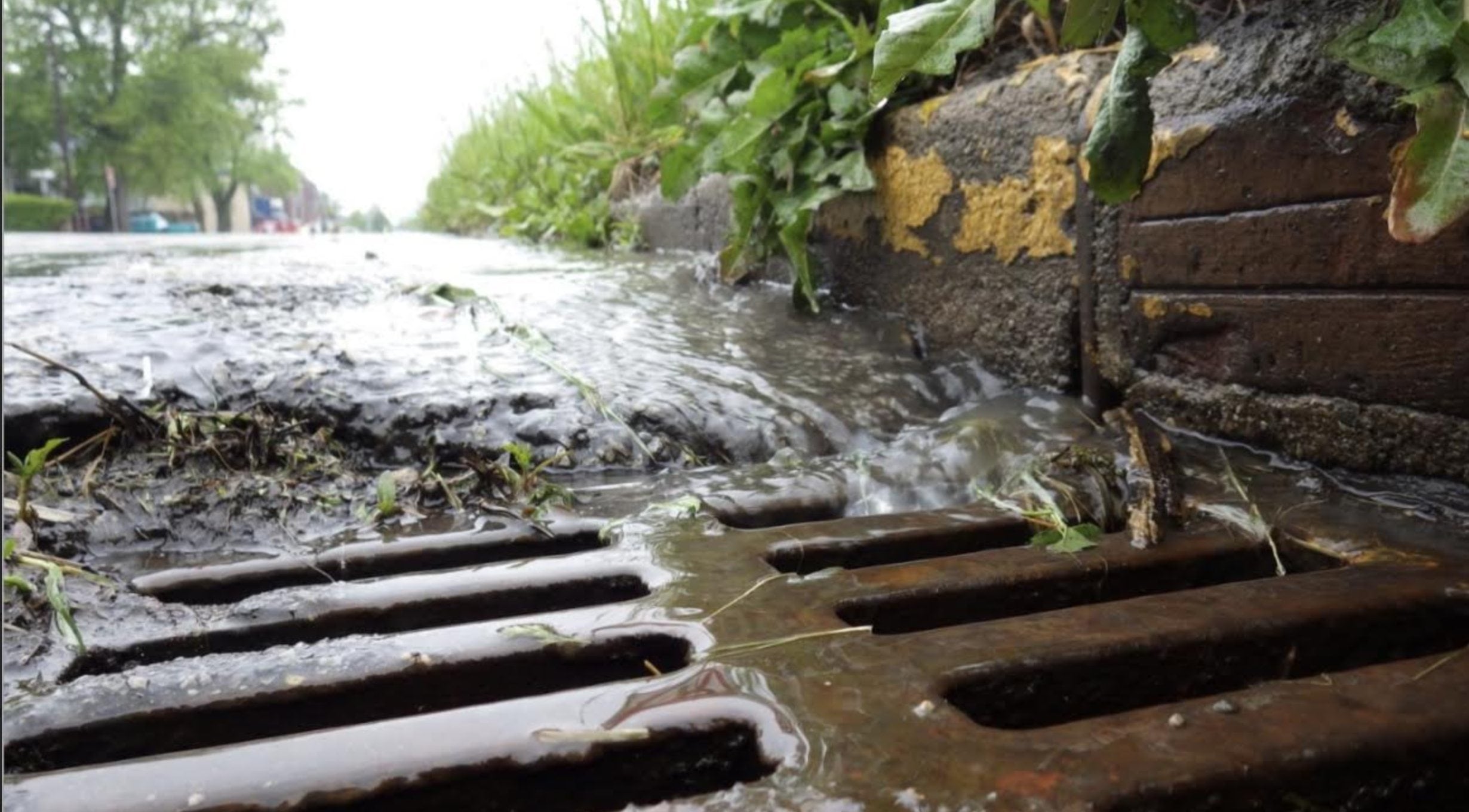
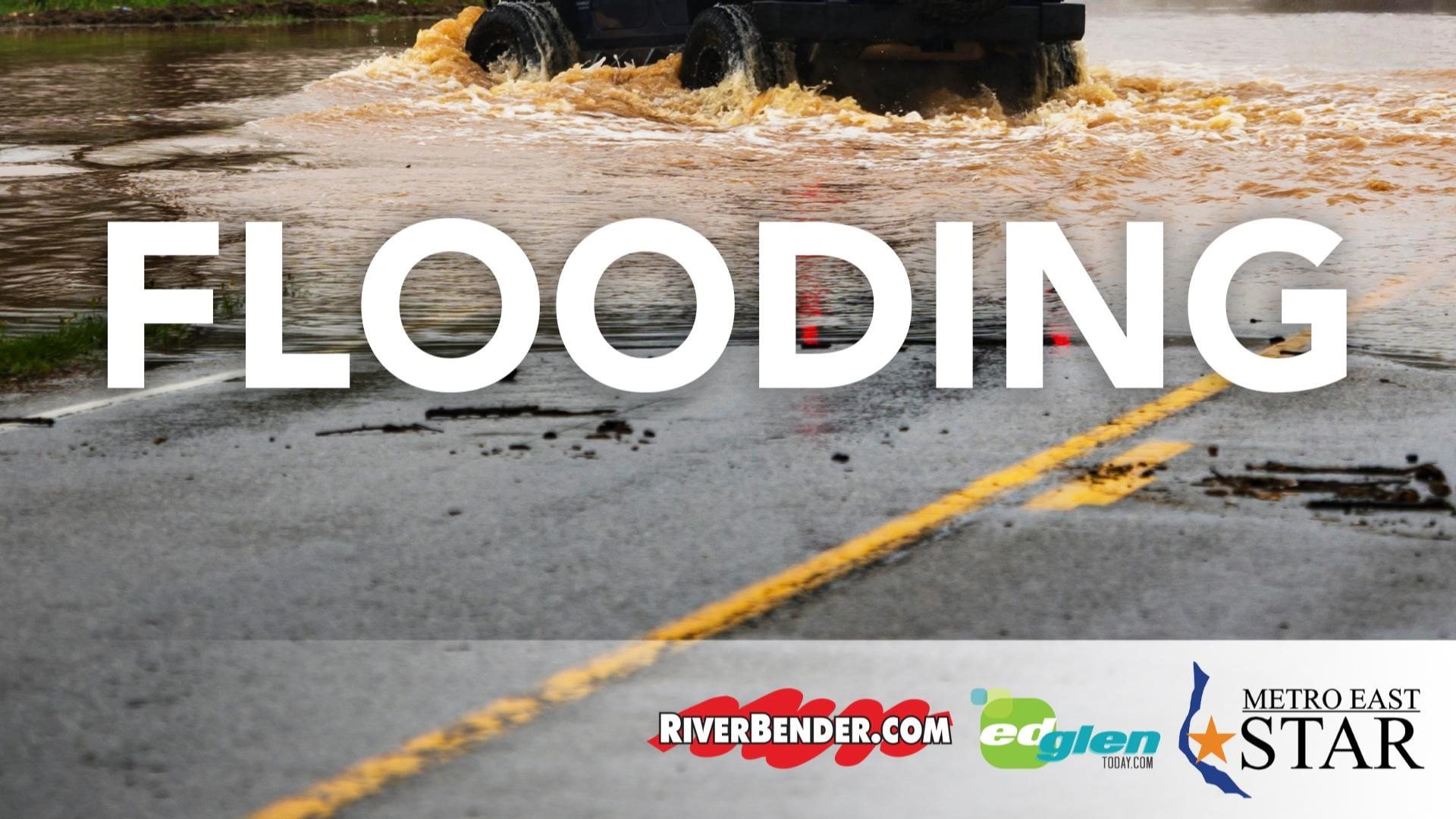
EDWARDSVILLE — Madison County directed more than $18 million in American Rescue Plan Act funding toward stormwater and flood-mitigation projects aimed at improving drainage and addressing flooding concerns across the county.
The investments range from major regional drainage projects to improvements within municipalities, townships and drainage districts. The largest allocation — more than $6.7 million — went toward the Long Lake stormwater project serving areas within County Board Districts 16, 20 and 21.
Get The Latest News!
Don't miss our top stories and need-to-know news everyday in your inbox.
“Stormwater is one of those infrastructure issues that can become very expensive very quickly,” County Board Chairman Chris Slusser said. “We had an opportunity to work with our local communities and put significant money into projects that otherwise could have fallen directly on local taxpayers.”
Board member Denise Wiehardt (District 20) said the Long Lake project demonstrates why cooperation is important when addressing drainage and flooding.
“The Long Lake project shows the scale of some of the stormwater challenges we face,” Wiehardt said. “This isn’t something that affects just one neighborhood or one community. Water crosses boundaries, so addressing these problems often requires the county, drainage districts and local communities to work together.”
Madison County also directed $2.95 million to the City of Wood River, nearly $2.92 million to the Village of Maryville and more than $2 million to the Village of Godfrey for stormwater improvements.
Board member Chris Guy, of Maryville (District 25), said the county’s nearly $2.92 million investment gave the village an opportunity to move the needed improvements forward.
“Maryville identified stormwater improvements that needed to be addressed, but projects of this size come with a significant cost,” Guy said. “The county’s ARPA investment gave the village an opportunity to move that work forward without placing the entire financial burden on its residents.”
The county’s investment also extended to drainage and levee districts whose work crosses municipal boundaries. The County Ditch Drainage and Levee District received $530,325, while the Cahokia Creek Drainage and Levee District received $500,000.
Other investments included $823,000 for the City of Edwardsville, $536,083 for the Village of Worden, $250,000 for Collinsville Township and $235,000 for the City of Troy.
The Village of Glen Carbon received $212,500, the Village of Williamson received $100,000 and Highland, East Alton and St. Jacob each received $75,000. The St. Louis Regional Airport Authority received $41,554 for stormwater improvements.
Board member Bobby Ross, of St. Jacob (District 4), said even the smaller allocations can provide communities with resources to address local drainage concerns.
“For smaller communities, $75,000 can make a real difference in getting a stormwater project completed,” Ross said. “These are local drainage problems that affect roads, property and the people who live there. Having the county provide funding gives our communities an opportunity to address work that might otherwise have to wait.”
Slusser said County Board members played an important role in identifying projects throughout the county, while municipalities and other local taxing districts brought forward infrastructure needs in their communities.
“These weren’t projects the county simply picked from a list,” Slusser said. “County Board members knew where problems existed in their districts, and our local partners knew where improvements were needed. ARPA gave us the ability to bring those pieces together and get projects moving.”
The stormwater and flood-mitigation investments are part of Madison County’s broader use of more than $52 million in ARPA funding for infrastructure, public safety, economic recovery and government modernization projects.

Slusser said the stormwater projects represent investments that will continue providing benefits after the federal program ends.
“When you improve drainage and reduce flooding, you’re protecting roads, homes, businesses and other infrastructure,” Slusser said. “That is a long-term investment in our communities and in the taxpayers who live there.”
This is the third in a series examining Madison County’s ARPA investments and how funding is benefiting communities throughout the county.
More like this:

- Most Popular
- Top Stories


- Most Recent