

Minimally Invasive Breast Surgery Offers Hope for Cancer Patients
Dr. Alejandro Sanz highlights how early detection allows women to preserve their breasts and confidence through minimally invasive techniques.
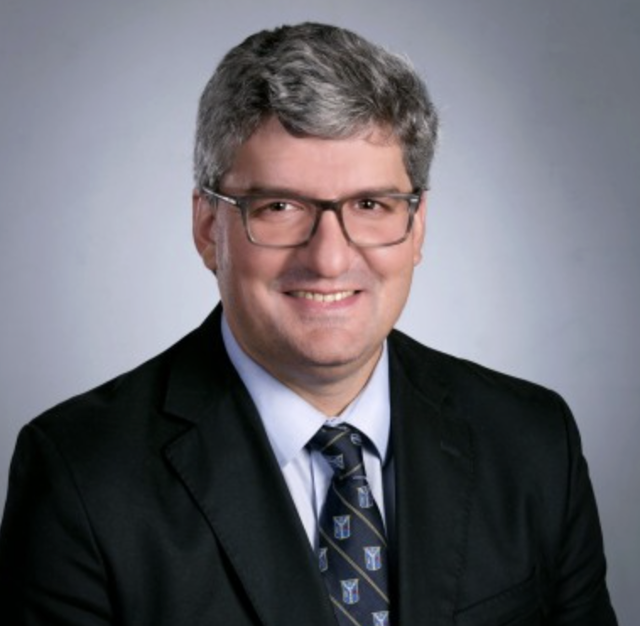 Alejandro Sanz, MD, wants women dealing with breast cancer to know: a diagnosis might not mean you have to lose your breasts and the identity and confidence that come with them.
The OSF HealthCare surgeon who specializes in breast surgery says if the disease is caught early, doctors and patients can review options to maintain the breasts.
Get The Latest News!
Don't miss our top stories and need-to-know news everyday in your inbox.
“Breast conservation surgery has developed significantly in the last few years. It’s an option that’s getting more and more common,” Dr. Sanz says. “With advances in screening mammograms and imaging quality, we are able to detect suspicious lesions early in their development. That’s good for breast conservation surgery because you’re dealing with less disease. That will also improve the prognosis overall.”
Dr. Sanz performs breast conservation surgery that’s minimally invasive with a goal of addressing the cancer and keeping the breasts cosmetically pleasing (hiding scars, for example).
“We use oncoplastic techniques [a term that combines oncology and plastic surgery]. We use tissue rearrangement and mobilization through small incisions. We dissect a lot of breast tissue underneath [the skin]. We remove the cancer with negative margins [meaning no cancer remains] while also achieving an excellent cosmetic result,” Dr. Sanz explains. “Patients express their satisfaction after seeing the results.”
Dr. Sanz says patients can typically go home the same day, and they’ll follow up with their health care team for future checkups.
The doctor also reminds you that the best treatment for any ailment is prevention. Women should perform monthly breast self-checks and know the warning signs to look for. Know your family history of cancer and other risk factors. Dr. Sanz says obesity is a big risk factor he often sees with patients, so take steps to maintain a healthy weight through diet and exercise. And lastly, talk to your care team about when to begin regular mammograms.
Read more about cancer prevention and treatment on the OSF HealthCare website. Cancer care at OSF also includes the OSF HealthCare Cancer Institute in Peoria, Illinois, which provides comprehensive care for the region.
More like this:

- Most Popular



- Top Stories

- Most Recent