
Nirvana’s ‘Smells Like Teen Spirit’ Put Grunge at the Center of Pop Culture on Sept. 10, 1991
A Sept. 10 look back also includes milestones for the Kinks, Elvis Presley, Lynn Anderson, Guns N’ Roses, Madonna and ABBA.
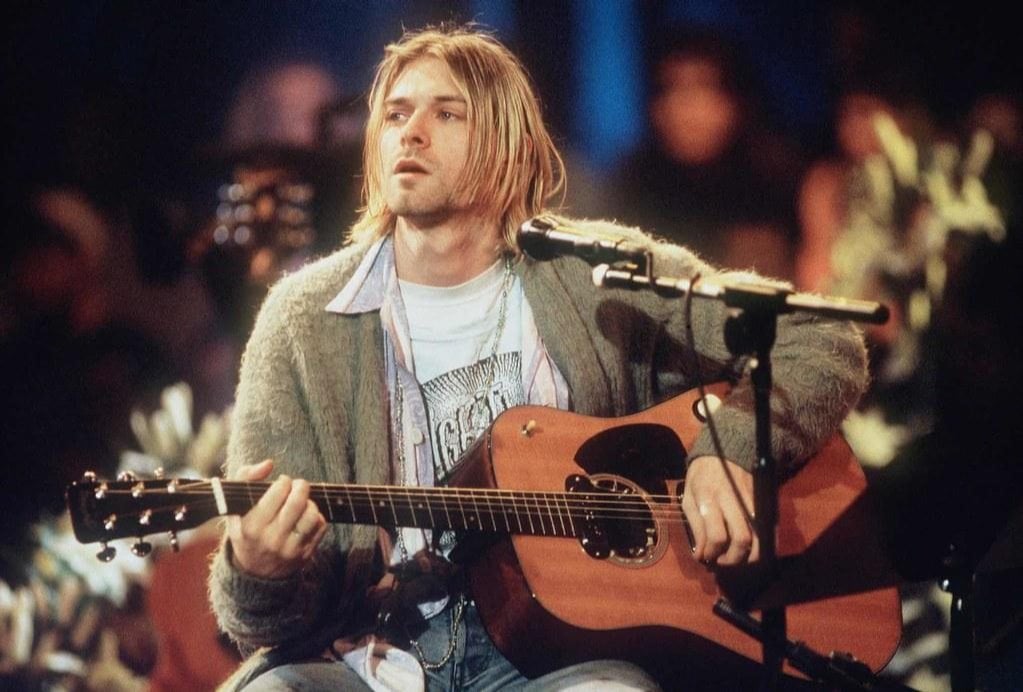
This Day in Music History: Sept. 10 — Nirvana’s ‘Smells Like Teen Spirit’ Changed Rock’s Center of Gravity
On Sept. 10, 1991, Nirvana released “Smells Like Teen Spirit,” the first single from its forthcoming major-label album Nevermind. The three-minute blast of distorted guitar, quiet-loud dynamics and Kurt Cobain’s deliberately opaque vocal became far more than a successful record. Its rise, powered by relentless MTV exposure for the pep-rally-gone-wild video, brought Seattle’s underground-rooted grunge scene into the center of popular culture. The song did not create alternative rock, but it made its commercial force impossible for the music business to ignore. Thirty-five years later, it remains one of the clearest markers of a changing of the guard in early-1990s rock.
Get The Latest News!
Don't miss our top stories and need-to-know news everyday in your inbox.
Sept. 10 has produced other telling moments in the history of recordings, country crossover, video culture and pop comebacks. The day’s earlier milestones show that musical change is not always a sudden break. Sometimes it arrives as a new guitar sound, a studio session that redefines a singer’s reach, or an old group finding a new audience.
On Sept. 10, 1964, the Kinks’ “You Really Got Me” began a two-week run at No. 1 on the Official UK Singles Chart. The record was the London band’s breakthrough after its first two singles failed to make a comparable impact. Ray Davies’ compact song and Dave Davies’ rough, overdriven guitar riff gave the record a blunt force that stood apart from much of the polished British pop of the period. “You Really Got Me” helped establish the Kinks as a major British Invasion act and gave later hard rock, punk and metal musicians a concise model for building a hit around a distorted riff.
Three years later, on Sept. 10, 1967, Elvis Presley recorded Jerry Reed’s “Guitar Man” at RCA Studio B in Nashville. Reed played guitar on the session, joining a deep group of Nashville studio players that included Scotty Moore, Floyd Cramer, Charlie McCoy and D.J. Fontana. The recording came during a period when Presley was still making movies and soundtrack records, yet its lean, country-blues drive pointed toward the rootsier material that would soon become central to his comeback. Released the following month on the Clambake soundtrack, “Guitar Man” was later revisited by Presley and became a familiar part of the music associated with his 1968 television special.
On Sept. 10, 1970, Lynn Anderson recorded “(I Never Promised You a) Rose Garden” at Columbia Recording Studio in Nashville. Written by Joe South, the song had already been recorded by other artists, but Anderson and producer Glenn Sutton reshaped it with a firm vocal, bright arrangement and a confident country-pop rhythm. The result became the defining record of Anderson’s career and one of country music’s major crossover successes of the era. Its broad reach demonstrated how Nashville production could carry a country singer to pop listeners without removing the music’s twang or storytelling clarity.
On Sept. 10, 1988, Guns N’ Roses’ “Sweet Child o’ Mine” reached No. 1 on the Billboard Hot 100, the band’s only chart-topper on that survey. The single had emerged from Appetite for Destruction, an album released more than a year earlier, and its ascent showed how a hard-rock band could break through beyond rock radio. Slash’s opening guitar figure, Axl Rose’s high vocal and the song’s romantic lyric created a crossover record without softening the group’s hard-edged image. The achievement helped turn Appetite for Destruction into one of the defining rock albums of the late 1980s and made Guns N’ Roses arena-level stars.
That commercial rock world looked different three years later when “Smells Like Teen Spirit” arrived. Nirvana’s single was released two weeks before Nevermind, with DGC Records initially expecting other songs to have the better chance at radio. Instead, “Teen Spirit” became the album’s unmistakable signal. Its video connected the band’s noisy performance to a surreal high-school setting, giving cable television an image that matched the record’s tension between apathy, anger and release. By early 1992, Nevermind had displaced Michael Jackson’s Dangerous at the top of the Billboard 200, a symbolic result that helped define the new decade’s musical hierarchy.
Sept. 10 also underscored the late-1990s importance of music video. At the 1998 MTV Video Music Awards in Los Angeles, Madonna won Video of the Year and Best Female Video for “Ray of Light,” while also taking honors for direction, choreography and editing for the same clip. Directed by Jonas Åkerlund, the fast-cut video used time-lapse city images and a transformed visual presentation for Madonna. The awards recognized how strongly a video could reinforce an album-era identity. “Ray of Light” joined electronic dance production, spiritual imagery and MTV-scale visuals in a way that helped keep Madonna at the forefront of pop nearly two decades into her recording career.
More recently, on Sept. 10, 2021, ABBA returned to the UK top 10 for the first time in nearly 40 years when “Don’t Shut Me Down” debuted at No. 9 on the Official Singles Chart. The single arrived with “I Still Have Faith in You” as the Swedish quartet announced Voyage, its first new studio album since 1981. The chart entry was meaningful not simply as a nostalgia story. It showed that the group’s precise melodies, layered voices and emotionally direct pop writing could still compete in a streaming-era singles market. From the Kinks’ distorted 1964 riff to ABBA’s 2021 return, Sept. 10 offers a compact history of pop music’s ability to renew itself while carrying its past forward.
- Most Popular

- Top Stories


- Most Recent