Oct. 19 in Music History: Albums That Opened New Doors
From Simon & Garfunkel’s acoustic debut to a-ha’s chart-topping breakthrough, Oct. 19 marks recordings that reached audiences in unexpected ways.
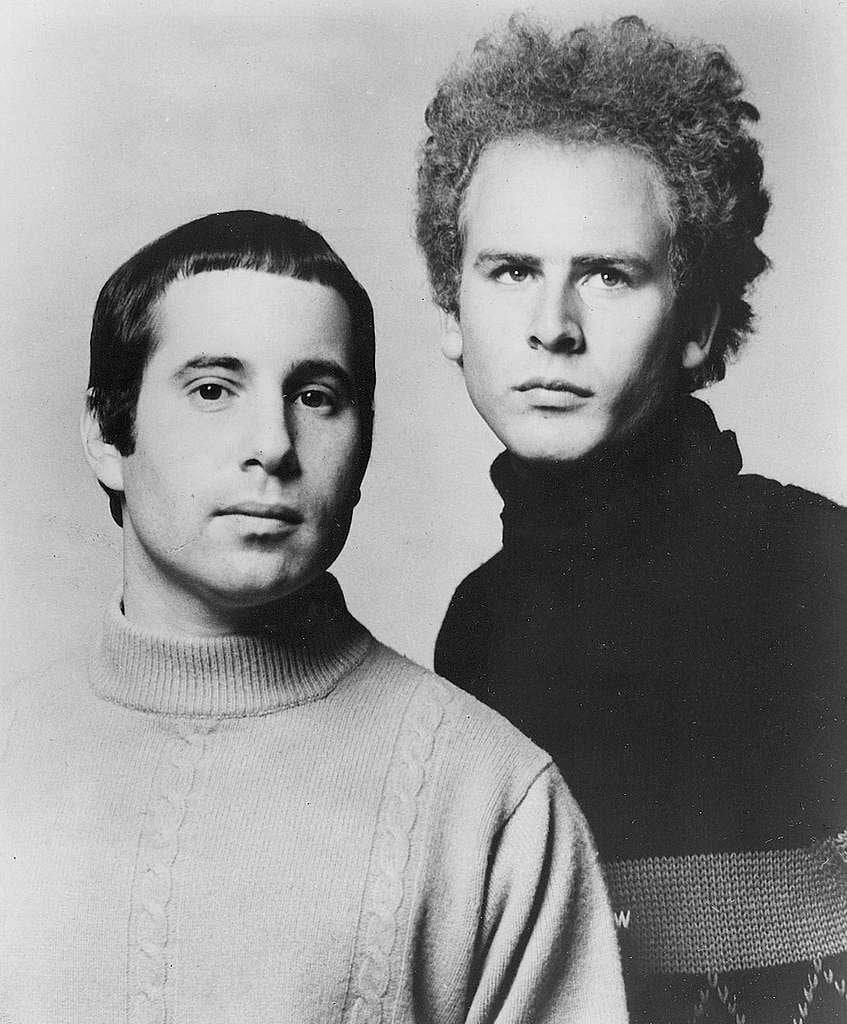
This Day in Music History: Oct. 19 and the Records That Opened New Doors
On Oct. 19, 1964, Simon & Garfunkel released “Wednesday Morning, 3 A.M.,” an understated debut that introduced the original acoustic recording of “The Sound of Silence.” Its importance became clearer later: The song would help carry the duo from the folk tradition into the center of American popular music. Looking back on Oct. 19, 2026, that beginning leads a date marked by recordings that connected musical traditions with new audiences.
The debut paired Paul Simon’s developing songwriting with the close vocal blend he shared with Art Garfunkel. Alongside originals such as “Sparrow” and “Bleecker Street,” its selections included traditional material and Bob Dylan’s “The Times They Are A-Changin’.” The combination placed the musicians within the folk movement while offering an early indication that Simon’s own songs would become the foundation of their identity. It was not yet the folk-rock sound that later listeners would associate with them.
Get The Latest News!
Don't miss our top stories and need-to-know news everyday in your inbox.
The turning point came after producer Tom Wilson added electric instruments to “The Sound of Silence” in 1965. That later version became a No. 1 single in 1966, and the debut album subsequently reached No. 30. The distinction matters: Oct. 19 marks the release of the acoustic source recording, not the arrival of the electric hit. The album preserves the starting point of a transformation that joined intimate harmonies and literary songwriting with a broader pop sound.
Nine years later, Oct. 19, 1973, brought David Bowie’s “Pin Ups,” a collection of cover songs that looked backward rather than introducing another set of originals. Produced by Bowie and Ken Scott, the album revisited music associated with the London club scene of 1964 through 1967. Its sources included the Who, the Kinks, the Yardbirds, the Pretty Things and Syd Barrett-era Pink Floyd. Bowie was tracing a musical education through the work of other performers.
The record turned those influences into a substantial commercial event. “Sorrow,” its lone single, reached No. 3 in Britain, while “Pin Ups” entered the British album chart at No. 1. Its cover paired Bowie with model Twiggy in a photograph by Justin de Villeneuve. Beneath that striking presentation was a straightforward idea: A prominent contemporary artist could use an album to direct listeners toward the bands and songs that had helped shape his musical imagination.
Also released Oct. 19, 1973, the Wailers’ “Burnin’” carried a different kind of urgency. The roots-reggae album brought together Bob Marley, Peter Tosh and Bunny Wailer for their final album before Tosh and Bunny left for solo careers. Its opening song, “Get Up, Stand Up,” established a forceful tone, while “I Shot the Sheriff,” “Burnin’ and Lootin’” and “Small Axe” connected memorable melodies with resistance and challenges to authority.
The album’s reach extended beyond its initial audience. Eric Clapton’s subsequent recording of “I Shot the Sheriff” topped the Billboard Hot 100 in 1974, raising Marley’s international profile. “Burnin’” also became part of the Library of Congress’ National Recording Registry in 2007. Those developments reflect two dimensions of its legacy: It supplied songs that traveled across musical markets while retaining a distinct place in the cultural history of Jamaican reggae.
On Oct. 19, 1979, Prince released his self-titled second album, strengthening the case for his unusual independence as a recording artist. As with his debut, he performed, recorded and produced the project, combining dance-oriented tracks with the harder guitar sound of “Bambi.” “I Wanna Be Your Lover” crossed over to No. 11 on the Billboard Hot 100, helping expand his audience beyond the categories through which the record industry generally viewed his work.
The album also contained “I Feel for You,” later a major hit for Chaka Khan. That song’s second life demonstrated the strength of Prince’s writing apart from his own performances. Taken together, the album’s pop hooks, dance rhythms and rock guitar showed an artist whose musical range was already broader than a single marketing label could comfortably describe.
That same day in 1979, Tom Petty and the Heartbreakers released their third album, “Damn the Torpedoes.” Producer Jimmy Iovine helped the band refine recordings including “Refugee” and “Here Comes My Girl,” bringing careful studio work to songs built for direct emotional impact. The album became the group’s first top 10 release, reaching No. 2, while “Don’t Do Me Like That” and “Refugee” became its first top 20 singles. It was a decisive step from an established recording career to a much larger audience.
Finally, on the Billboard Hot 100 dated Oct. 19, 1985, a-ha reached No. 1 with “Take On Me.” The Norwegian group’s breakthrough followed a re-recording of the song and a striking video combining live action with pencil-sketch animation. The result illustrated how a visual idea could help carry a recording across borders. From Simon & Garfunkel’s acoustic debut to a-ha’s television-era success, Oct. 19 offers several reminders that a record’s first appearance and its fullest impact are not always the same moment.
More like this:


- Most Popular



- Top Stories


- Most Recent