


OSF Heathcare Take the Cold to Heart, Study Shows Falling Temps Can Increase Risk of Heart Attack
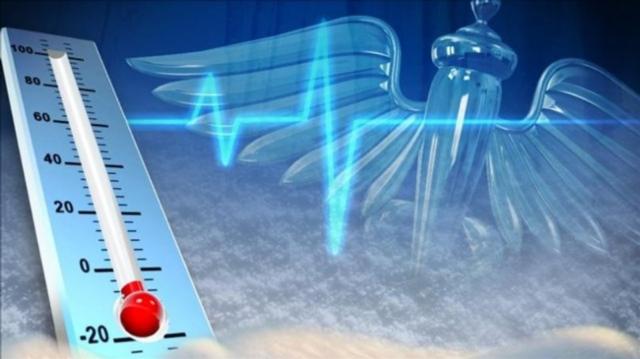 Record breaking cold temperatures have settled upon much of the Midwest. These frigid conditions are not only dangerous to our appendages, but also our heart.
Recent research from Lund University in Sweden shows that the risk of a heart attack greatly increases as temperatures drop. Using data from more than 280,000 heart attacks and 3 million weather points, like temperature, air pressure, wind velocity and sun duration, researchers found there is a higher risk of heart attack when the thermometer dips below freezing.
Get The Latest News!
Don't miss our top stories and need-to-know news everyday in your inbox.
It mostly has to do with arteries that constrict to keep you warm.
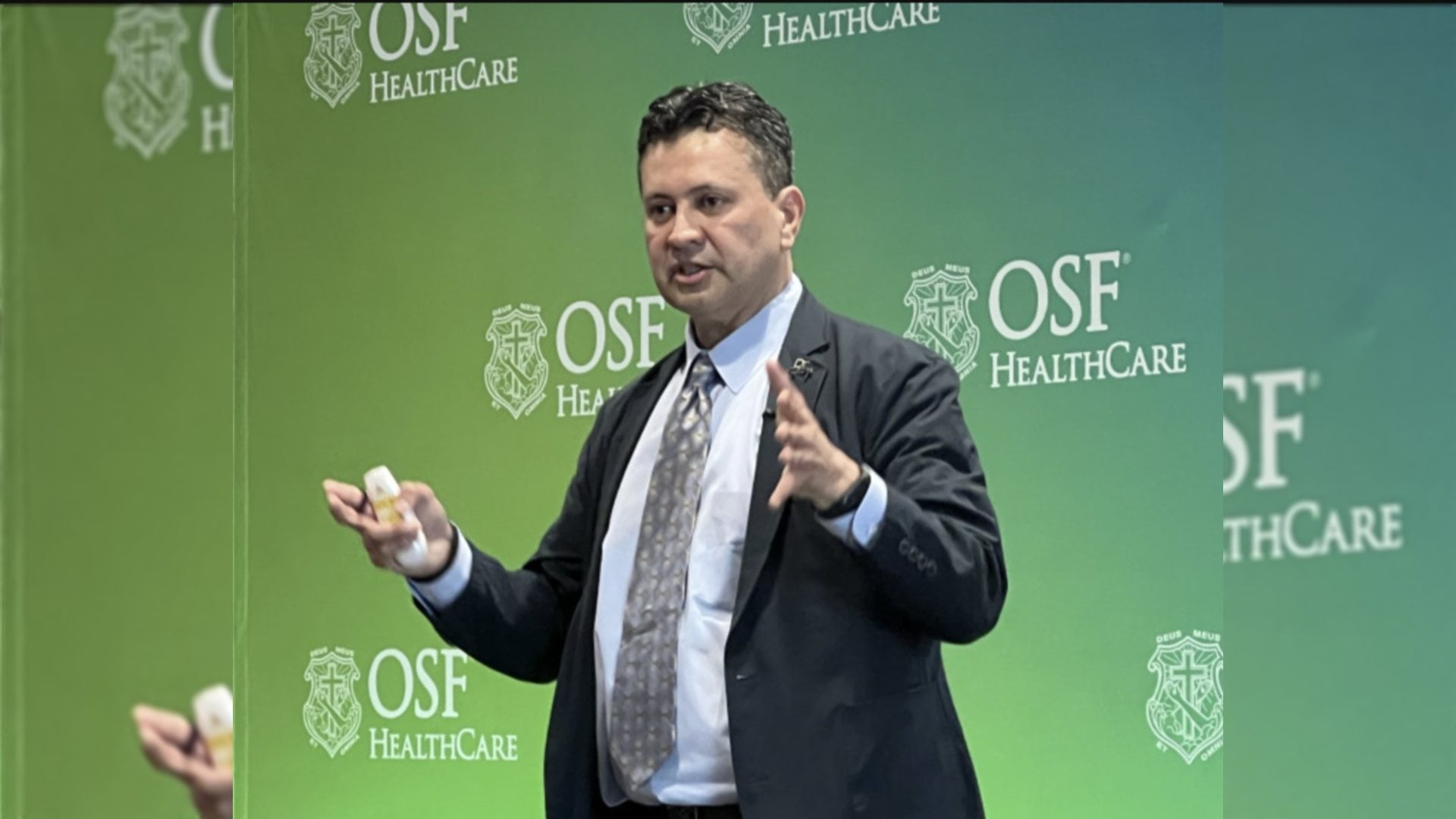
"When those arteries constrict your blood pressure goes up, it puts a lot more strain on your heart," says Dr. Shaun Kurien, Cardiologist at OSF HealthCare Cardiovascular Institute. "Your body needs to maintain its temperature, so the heart has to kind of work harder to keep that going. So, for most people that may be okay, but for some us who are more susceptible to artery disease, that can increase the strain on a heart that may not be doing as well already."
Dr. Kurien says while the average age of those in the study was 70, a cold-related heart attack can happen to anyone of any age. But the chances could rise with the development of artery disease as we get older.

Short of all of us moving to Florida, Dr. Kurien says prevention is simply a matter of dressing appropriately for the weather. He suggests wearing lots of layers.
"Layers create kind of insulation pockets of air between the layers that helps keep us warm," suggested Dr. Kurien. "The warmer you are already, then the less your heart has to work to match that strain. Covering your head - also hats and stuff can help - you lose a lot of heat through your head. And so that kind of helps keep you warmer."
Also keep your cold weather activity and exertion to a minimum. It only makes your heart work harder. Dr. Kurien also advises that if you do have artery disease check with your doctor or cardiologist and ask one important question.
"Hey, what activities are safe for me to do outside? Cause you may be a special population of people that - you know, some of my patients I think its fine for," he said. "Other people I'd say - you know it's better to get someone else to do it, if you can."
Finally, if you believe you might be having a heart attack - the classic signs are chest pains that may radiate down your arms or extreme shortness of breath - don't wait, call 9-1-1.
For more visit newsroom.osfhealthcare.org
More like this:



- Most Popular



- Top Stories


- Most Recent



- Sign In
- Home
- Video
- News
-
Weather
 Sponsored by Michael Ryan Exteriors - Roofing Professionals
 - Sports
- Obits
- Events
- Radio
- AP News
- Shop Local
- Classifieds
- Autos
- Real Estate
- Directory
Get the RiverBender App


Follow Us
Copyright © 2026 RiverBender.com All rights reserved.
primary