


OSF Saint Anthony's doctor encourages community to know the signs of a heart attack
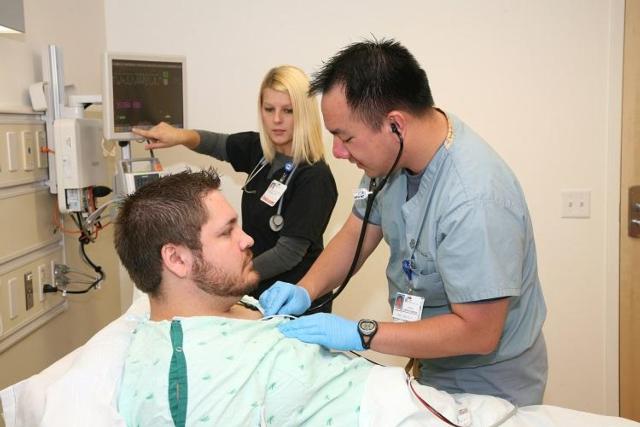 ALTON - On television shows or in movies, heart attacks are often portrayed as painful, chest-clutching events. While this is sometimes the case, there are often less dramatic and lesser known symptoms that signal a major heart event is occurring.
Dr. Rodger Hanko is the Medical Director of the Emergency Department at OSF Saint Anthony’s Health Center in Alton, Ill. He says everyone should recognize the following common signs and symptoms of a heart attack, and take action immediately.
- Chest pain or discomfort: This can feel painful, but also like pressure, squeezing, fullness, burning, feeling a lump in the throat, a knot in the center of the chest, or an ache. It can range in severity and might also present as heartburn or indigestion.
- Shortness of breath: This could feel as if you ran a long distance even when you are at rest or engaging in light physical activity.
- Pain or discomfort in the upper body: This could present in one or both arms, the back, shoulders, neck, abdomen (if present above the belly button) or lower jaw, which could feel like a toothache.
- Other signs of a heart attack include breaking out into a cold sweat, nausea, vomiting, lightheadedness, weakness, loss of consciousness and fatigue.
Get The Latest News!
Don't miss our top stories and need-to-know news everyday in your inbox.
According to Dr. Hanko, if you feel like you are having a heart attack you should take an aspirin (162-365 mg) and call for an ambulance to take you to an emergency room.
“I wouldn't recommend trying to drive yourself or having a family member take you,” he said. “If you are suffering from a heart attack you could be at risk for sudden cardiac death caused by a lethal dysrhythmia.”
While knowing how to recognize the signs and symptoms of a heart attack is important, taking preventative measures, like regular checkups with your doctor, could keep you from suffering a cardiac event in the first place.
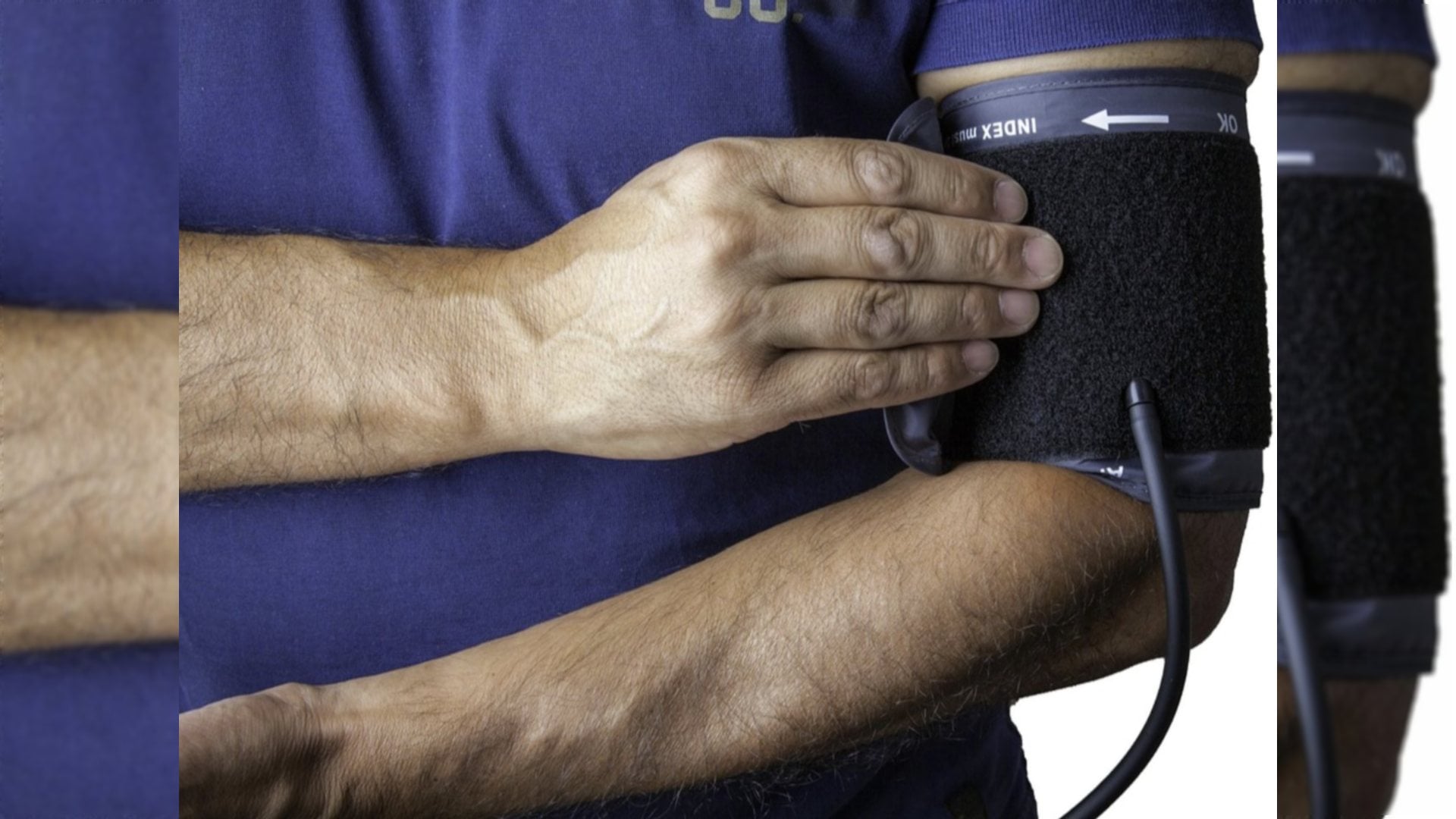
“Regular checkups are just as important for your health as regular servicing for your automobile to keep it running smoothly,” said Dr. Hanko. “This is especially important if you have known medical risk factors for heart disease such as being older in age, having high blood pressure, diabetes, abnormal cholesterol, have a history of smoking or if heart disease runs in your family.”
Heart attack symptoms do vary between different groups. Atypical symptoms are more likely to be found in women, the elderly, or people with diabetes. These groups can present with dyspnea (shortness of breath alone), weakness, nausea and/or vomiting, palpitations, loss of consciousness, or even cardiac arrest. Many people have no symptoms at all.
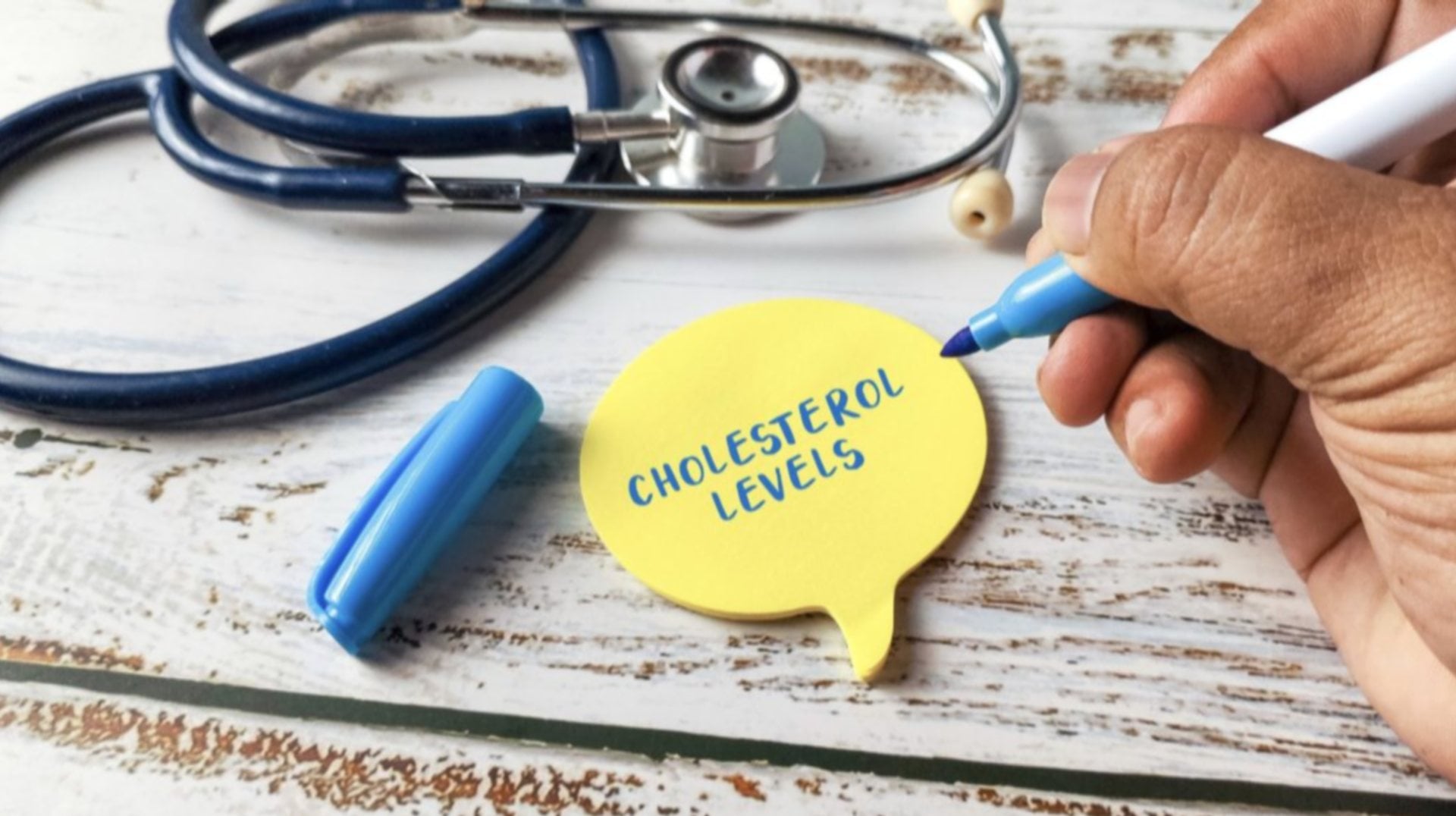
The best ways of preventing a heart attack are to control your risk factors (high blood pressure, cholesterol levels, diabetes), stop smoking cigarettes, avoid using drugs like cocaine or methamphetamine, maintain a healthy weight, get regular exercise, and to not ignore symptoms.
“Having a good working relationship with a medical provider is an important part of this, just like having a mechanic you can trust with your car,” said Dr. Hanko.
More like this:



- Most Popular



- Top Stories


- Most Recent


- Sign In
- Home
- Video
- News
-
Weather
 Sponsored by Michael Ryan Exteriors - Roofing Professionals
 - Sports
- Obits
- Events
- Radio
- AP News
- Shop Local
- Classifieds
- Autos
- Real Estate
- Directory
Get the RiverBender App


Follow Us
Copyright © 2026 RiverBender.com All rights reserved.
primary