


OSF Saint Anthony’s Introduces Weekly Caregiver Therapy Group

ALTON - While caring for a loved one can be very rewarding, it also involves many stressors. And since caregiving is often a long-term challenge, the emotional impact can snowball over time.
Get The Latest News!
Don't miss our top stories and need-to-know news everyday in your inbox.
In fact, a caregiver may face years or even decades of caregiving responsibilities. It can be particularly disheartening if a caregiver feels as if they’re in over their head, if there’s no hope that their family member will get better, or if, despite best efforts, their condition is gradually deteriorating.
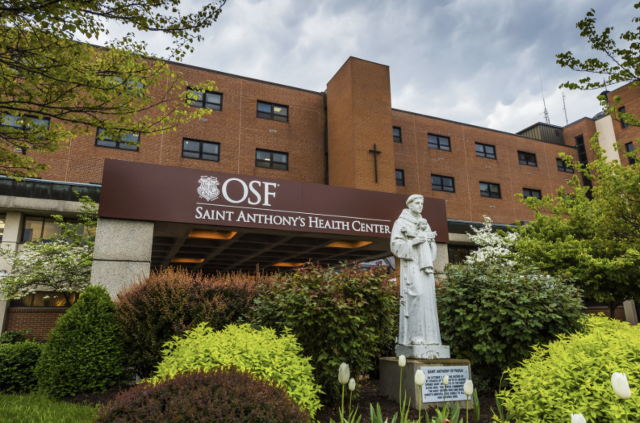
OSF Saint Anthony’s Health Center is introducing its Connections: Caregiver Therapy Group in the effort to alleviate stressors and provide a community support resource for caregivers in the Riverbend region. The Connections: Caregiver Therapy Group will begin meeting every Monday from 10 a.m. – 11 a.m. starting on Monday, June 5.
OSF Saint Anthony’s Psychological Services is offering the Connections: Caregiver Therapy Group to provide an educational, caring, supportive environment for individuals who are caring for someone with significant developmental, mental health or physical impairments.
This new therapy group will be facilitated by a licensed clinician that is covered by most insurance plans. Goals for participants of the group include (but not limited to):
- Education
- Coping skills to reduce stress and improve self-care
- Social connection
- Communication strategies
- Conflict resolution strategies
“If the stress of caregiving is left unchecked, it can take a toll on your health, relationships, and state of mind—eventually leading to burnout, a state of emotional, mental, and physical exhaustion,” says Staci Knox, LCSW, manager of psychological services at OSF Saint Anthony’s. “And when you get to that point, both you and the person you’re caring for suffer.”
According to HelpGuide.org., learning to recognize the signs of caregiver stress and burnout is important, so you can take immediate action to prevent things from becoming worse and start improving the situation for both you and the person you're caring for.
Common signs and symptoms of caregiver stress include:
- Anxiety, depression, irritability
- Feeling tired and run down; Difficulty sleeping
- Overreacting to minor nuisances
- New or worsening health problems
- Trouble concentrating
- Feeling increasingly resentful
- Drinking, smoking, or eating more
- Neglecting responsibilities
- Cutting back on leisure activities
Just as well, common signs and symptoms of caregiver burnout include:
- You have much less energy than you once had.
- It seems like you catch every cold or bout of flu that’s going around.
- You’re constantly exhausted, even after sleeping or taking a break.
- You neglect your own needs, either because you’re too busy or you don’t care anymore.
- Your life revolves around caregiving, but it gives you little satisfaction.
- You have trouble relaxing, even when help is available.
- You’re increasingly impatient and irritable with the person you’re caring for.
- You feel helpless and hopeless.
“That’s why taking care of yourself isn’t a luxury, it’s a necessity,” says Knox. “Cultivating your own emotional and physical well-being is just as important as making sure your family member gets to their doctor’s appointment or takes their medication on time.”
For more information on the hospital’s new Connections: Caregiver Therapy Group, please call the Psychological Services Counseling Program at (618) 474-6240 or via email at Staci.M.Knox@osfhealthcare.org.
More like this:




- Most Popular



- Top Stories


- Most Recent



- Sign In
- Home
- Video
- News
-
Weather
 Sponsored by Michael Ryan Exteriors - Roofing Professionals
 - Sports
- Obits
- Events
- Radio
- AP News
- Shop Local
- Classifieds
- Autos
- Real Estate
- Directory
Get the RiverBender App


Follow Us
Copyright © 2026 RiverBender.com All rights reserved.
primary