Pritzker Administration Highlights Grain Bin Safety This Harvest Season
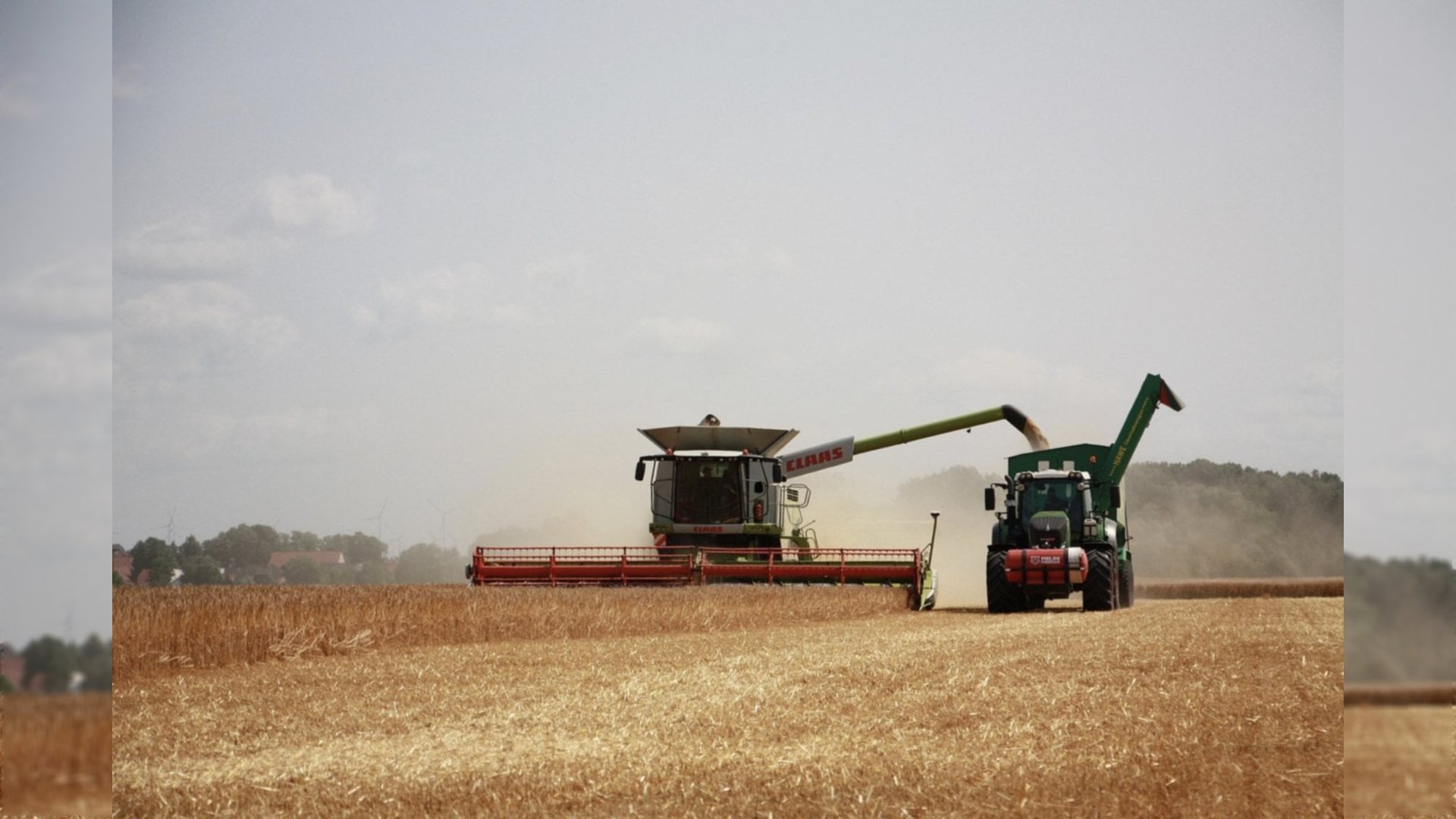
 SPRINGFIELD – Harvest is in full swing around Illinois. As the crops come out of the field the grain bins fill up and so too does the risk for grain bin accidents.
While essential to Illinois’ harvests, grain handling equipment and storage containers can quickly become deadly. In fact, Illinois reported the most incidents involving agricultural confined spaces, including grain bins, in 2020. Illinois also had the most grain-entrapment cases – 10 – in 2020, as documented by the University of Purdue’s Agricultural Safety and Health Program.
While the report says these numbers may be attributable to greater efforts to bring attention to these incidents, the total number of cases may have been underreported due to inadequate reporting structures.
“It’s crucial for farmers and other agricultural workers to put safety first during harvest season. Carelessness can cause injury or death. First responders must also be properly trained on the procedures for safely rescuing a worker from a grain bin,” said Illinois Department of Labor Director Michael Kleinik.
“Harvest is often a time where our farmers are up against a clock and rush through ordinary tasks like going in and out of grain bins. People often think they are big enough, strong enough, or fast enough to get out of flowing grain. Unfortunately, problems can snowball quickly,” said Illinois Department of Agriculture Director, Jerry Costello II.
Because moving grain acts similarly to quicksand, tragedy can strike in seconds. The U.S. Occupational Safety and Health Administration (OSHA) says a worker standing in moving grain will be trapped within five seconds and covered by grain in less than 30 seconds.
“There are three things you need to emphasize: don’t go into bins alone; number two is turn off anything that can make the grain move, so we can keep it static; and lock out, tag out,” said Dave Newcomb, the Agriculture Program Manager with the Illinois Fire Service.
According to OSHA, the most common situations leading to grain entrapment include:
- A worker standing on moving/flowing grain typically caused by a running auger or grain being moved out of the bin by gravity.
- A worker stands on or below a grain bridging situation. Bridging happens when damp grain clumps together, creating an empty space beneath the grain as it is unloaded. A worker above or below this bridge of grain is at risk should the bridge collapse.
- A worker stands next to a pile of grain on the side of the bin and attempts to dislodge it. It can collapse onto the worker.
While workers should avoid entering grain bins – if possible – safety measures can greatly reduce the risk if they must enter. One of the most important measures is to turn off and lock out all powered equipment to the grain bin and tag it to remain off – known as Lock Out/Tag Out – so the grain is not being emptied or moving out or into the bin. The following can also be done to reduce the risk in grain bins:
- Prohibit walking on or down grain to make it flow.
- Provide all employees a body harness with a lifeline, or a boatswain’s chair, and ensure it’s secured prior to the employee entering the bin.
- Provide an observer outside the bin or silo being entered by an employee. Ensure the observer is equipped to help and their only task is to continuously track the employee in the bin. Prohibit workers from entry into bins or silos underneath a bridging condition, or where a build-up of grain products on the sides could fall and bury them.
- Train all workers for the specific hazardous work operations they are to perform when entering and working inside of grain bins.
- Test the air within a bin or silo prior to entry for the presence of combustible and toxic gases, and to determine if there’s sufficient oxygen.
- If detected by testing, vent the silo or grain bin to ensure combustible and toxic gas levels are reduced to non-hazardous levels, and sufficient oxygen levels are maintained.
- Ensure a permit is issued for each instance a worker enters a bin or silo, certifying the precautions listed above have been implemented.
OSHA notes that more than half of deaths in grain entrapment cases are would-be rescuers and about seven in 10 occur on family farms.
OSHA has more information about grain bin safety online: Grain Handling Safety
More like this:



- Most Popular



- Top Stories



- Most Recent