
Sept. 24 in Music: Nirvana, A Tribe Called Quest and the Sounds That Changed the Mainstream
This date marks Jimi Hendrix’s arrival in London, a landmark Deep Purple orchestral concert, Bobby McFerrin’s chart breakthrough and three influential albums released in 1991.
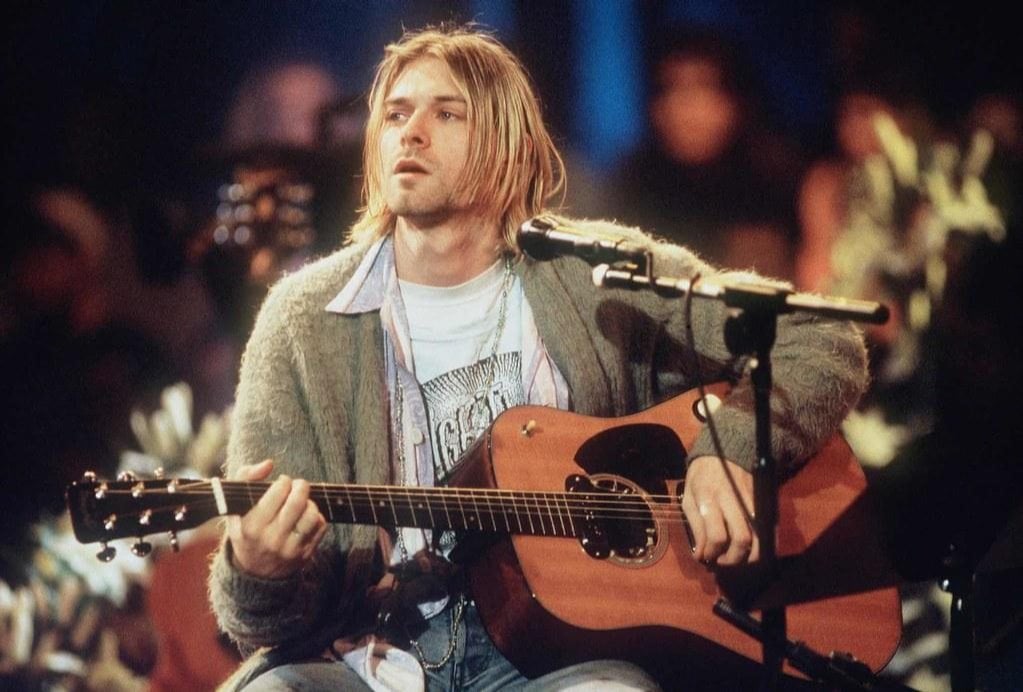
Thirty-five years ago today, Nirvana released an album that helped change the direction of popular music. “Nevermind,” issued Sept. 24, 1991, brought the force of underground rock to a much larger audience, pairing abrasive guitars with memorable melodies. Its success helped move alternative rock from the margins toward the center of the music business. But this date belongs to more than one band or one sound: Its history also includes a career-changing arrival in London, an ambitious orchestral concert, an unlikely pop breakthrough and two other defining albums released alongside Nirvana’s.
Get The Latest News!
Don't miss our top stories and need-to-know news everyday in your inbox.
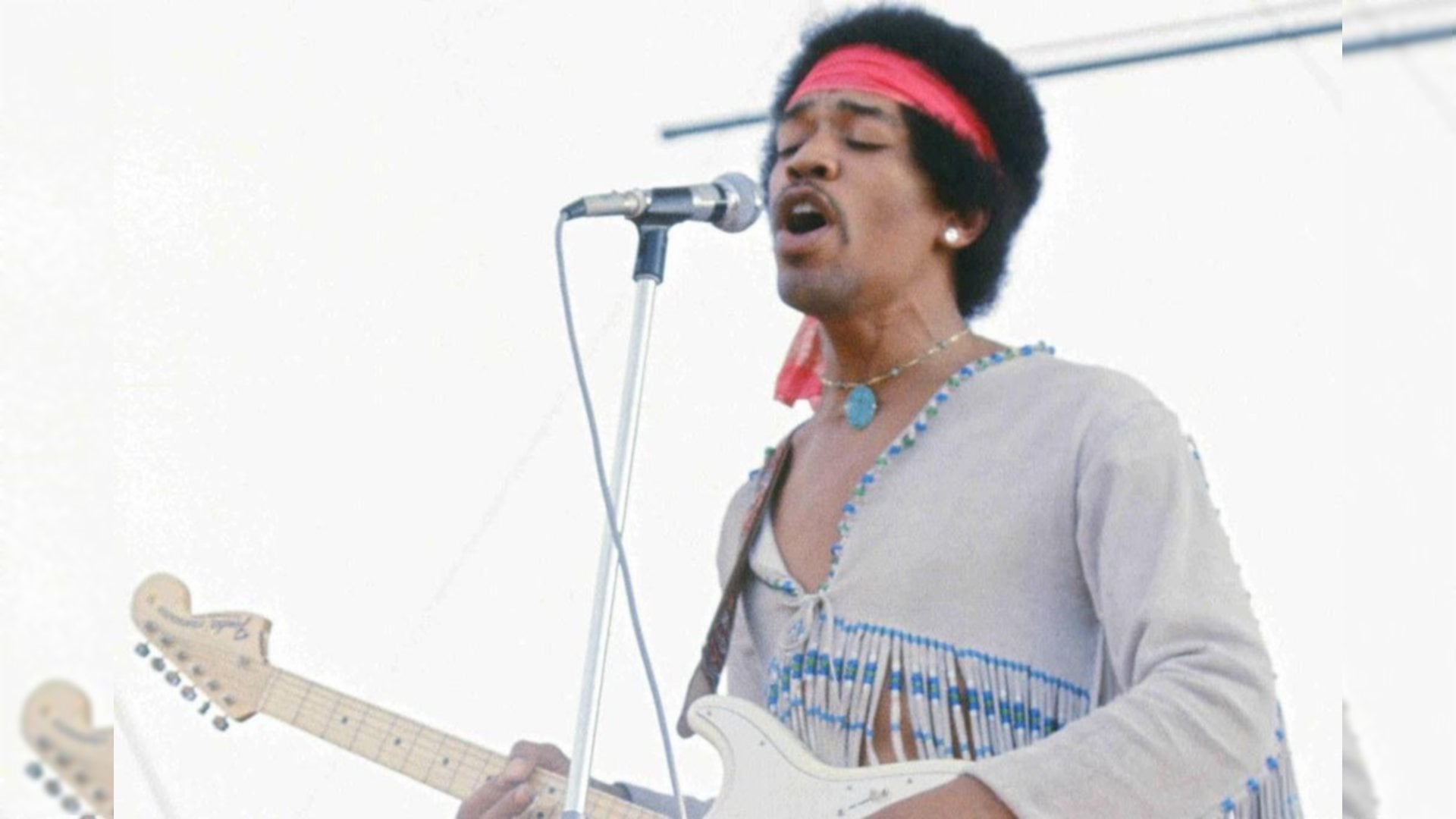
The story begins Sept. 24, 1966, when Jimi Hendrix arrived in London. Chas Chandler, the Animals bassist moving into management, had seen Hendrix perform in New York and arranged for him to relocate and form a band. Hendrix had already worked behind established American performers, including Little Richard and the Isley Brothers. London offered something different: an opportunity to build a group around his own guitar playing and musical ideas, rather than remain in someone else’s backing band.
With bassist Noel Redding and drummer Mitch Mitchell, the Jimi Hendrix Experience quickly attracted attention. The group’s first single, “Hey Joe,” was released that December and reached No. 6 in Britain in early 1967. The arrival therefore marks the beginning of a crucial transition, not an overnight transformation at the airport. Hendrix’s blend of blues, feedback, improvisation and psychedelia soon expanded the possibilities of electric guitar playing, while his British breakthrough helped set the stage for his celebrated American appearance at the Monterey International Pop Festival in June 1967.
Three years later, on Sept. 24, 1969, Deep Purple joined the Royal Philharmonic Orchestra at London’s Royal Albert Hall for Jon Lord’s “Concerto for Group and Orchestra.” Composer Malcolm Arnold conducted, and the concert marked Deep Purple’s debut at the hall. The lineup included Lord on keyboards, Ritchie Blackmore on guitar, Ian Gillan on vocals, Roger Glover on bass and Ian Paice on drums. The event was both filmed and recorded, allowing the experiment to reach listeners beyond the concert audience.
The performance was one of the early collaborations between a rock band and an orchestra, not simply a rock song decorated with strings. Lord wrote a work that brought the two ensembles together within a concert setting. The program also included Arnold’s Sixth Symphony, giving orchestral music its own place in the evening. The partnership demonstrated how far rock musicians were reaching beyond the conventional single or club performance, even as the meeting exposed differences in musical expectations and working styles.
On the Billboard Hot 100 dated Sept. 24, 1988, Bobby McFerrin’s “Don’t Worry, Be Happy” reached No. 1, becoming the first a cappella recording to top that chart. It displaced Guns N’ Roses’ “Sweet Child o’ Mine” and remained at the summit for two weeks. The contrast was striking: A vocal recording without instrumental accompaniment had overtaken a guitar-driven rock hit on the country’s central pop singles chart. Released in connection with the film “Cocktail” and included on McFerrin’s “Simple Pleasures,” the song brought his distinctive vocal artistry to an enormous audience.
The breakthrough also received recognition beyond its chart run. At the 1989 Grammy Awards, “Don’t Worry, Be Happy” won record of the year, song of the year and best male pop vocal performance. Its familiar refrain could make the recording seem uncomplicated, but its success demonstrated that an unconventional approach to making music could find a broad pop audience without abandoning its central idea.
Then came Sept. 24, 1991. Produced by Butch Vig, “Nevermind” was Nirvana’s second full-length album and major-label debut. “Smells Like Teen Spirit” became its breakthrough single, while songs including “Come as You Are” and “Lithium” helped establish the record’s identity. The commercial shift took months rather than a single release-day rush: “Nevermind” reached No. 1 in January 1992. Its importance lay partly in that widening audience, which made a once less-commercial rock sound impossible for the mainstream industry to ignore.
That same day, A Tribe Called Quest released its second album, “The Low End Theory.” Q-Tip and Phife Dawg’s exchanges gave the record a conversational energy, while its spare arrangements emphasized bass, drums and jazz-rooted textures. The connection to jazz extended beyond samples: Bassist Ron Carter played on “Verses from the Abstract.” “Scenario,” featuring Busta Rhymes, supplied another enduring highlight. The album showed how hip-hop could draw on earlier Black musical traditions while creating something distinctly its own, with rhythmic space and detail carrying as much weight as density or volume.
Completing that remarkable release day, Red Hot Chili Peppers issued “Blood Sugar Sex Magik.” Working with producer Rick Rubin, singer Anthony Kiedis, bassist Flea, guitarist John Frusciante and drummer Chad Smith made the album that carried them into a much larger commercial arena. “Give It Away” and “Under the Bridge” became signature songs, and the album eventually reached No. 3 on the Billboard 200. Alongside Nirvana’s breakthrough and A Tribe Called Quest’s jazz-inflected hip-hop, it makes Sept. 24, 1991, a reminder that musical change rarely moves in only one direction.
More like this:
- Most Popular



- Top Stories

- Most Recent