
Shared Space: $10 Million Grant Examines How Crops, Solar Can Occupy Same Space
Don't miss our top stories and need-to-know news everyday in your inbox. URBANA — Some view crops and solar panels as competitors for prime real estate. A 4-year, $10 million dollar grant awarded to University of Illinois'
Get The Latest News!
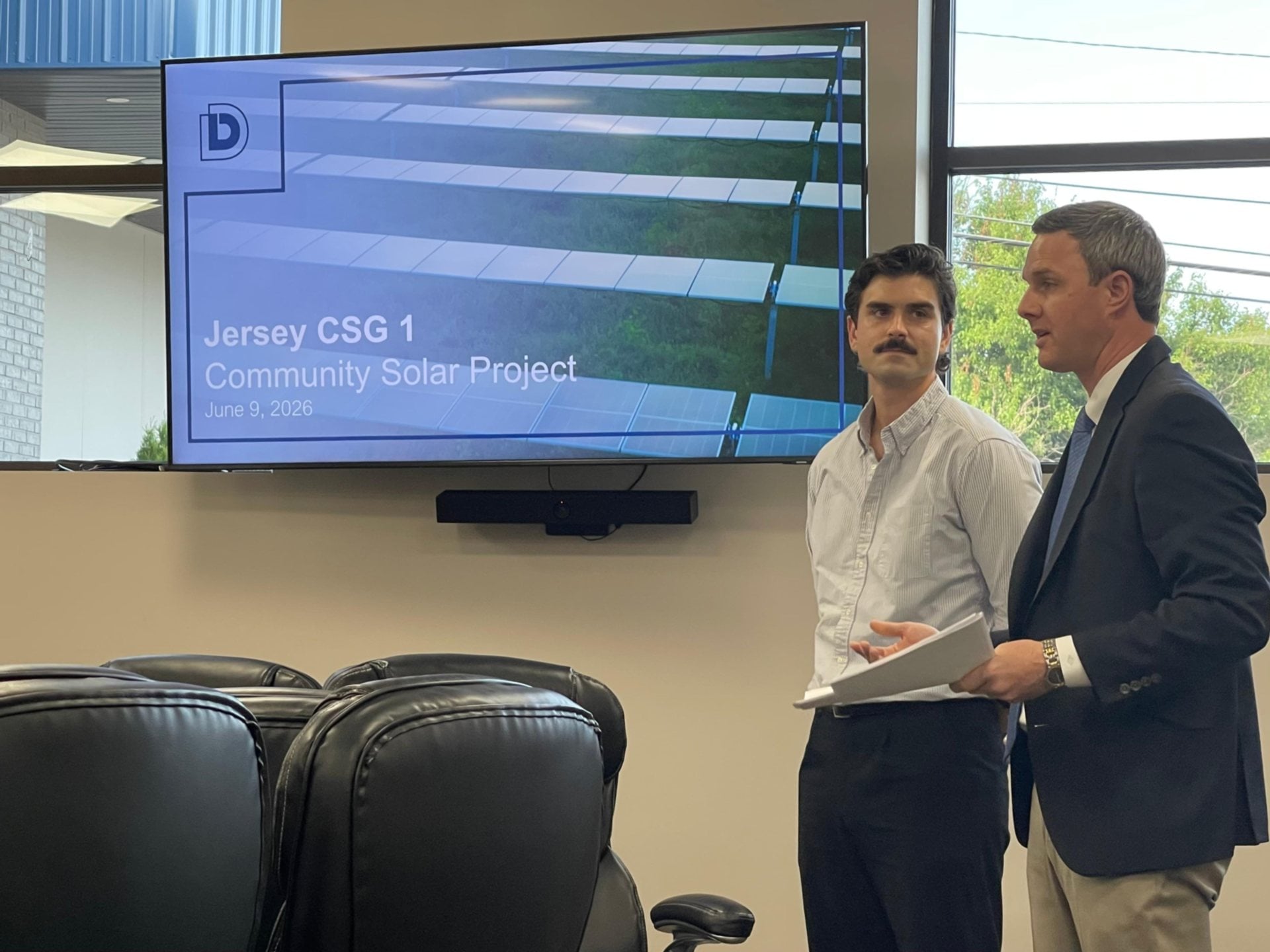
/RgRjYUNQP0QkaHR0cHM6Ly9zdXN0YWluYWJpbGl0eS5pbGxpbm9pcy5lZHUvVwNzcGNCCmF3UL5-YSVd4xdSFG5ld3NAcml2ZXJiZW5kZXIuY29tWAQAAAAE?utm_source=riverbender&utm_medium=article_link" target="_blank" rel="noopener noreferrer">Institute for Sustainability, Energy, and Environment will design "agrivoltaic" systems that allow for both crops and solar panels to share land space.
The USDA's National Institute of Food and AgricultureSustainable Agriculture Systems program selected U of I as the lead institution to study agrivoltaics in a variety of land types and climate scenarios, including Illinois, Colorado, and Arizona. The goal of the project is to maintain crop production, produce renewable energy, and increase farm profitability.
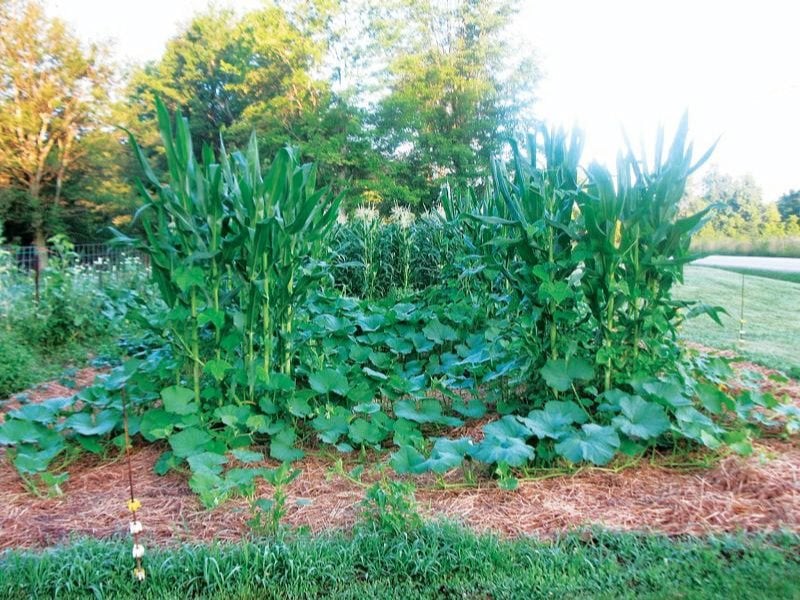
The emerging field combines agriculture and photovoltaics = agrivoltaics. Photovoltaics is the conversion of light into electricity. Agriculture is the production of food. Supporters of each are often at odds on which should get prime land use. Agrivoltaics researchers believe that both can occupy the same place, to the benefit of each.
iSEE Interim Director Madhu Khanna and collaborators will explore optimal design for the agrivoltaic systems.
“For centuries, humans have used the benefits of the sun to produce food and energy, and only in recent decades has humanity turned to harvesting solar for renewable energy,” said Khanna, the ACES distinguished professor of Agricultural and Consumer Economics at Illinois. “But to produce solar energy at the utility scale is land intensive, and cropland is often the most suitable for this purpose.”
While solar has become more profitable for land use, there are concerns that diverting land for solar energy production may cut into food production. Some counties have prohibited large-scale photovoltaic arrays from replacing agricultural land.
“Agrivoltaics has the potential to reduce this competition for land,” Khanna said.
/AAMFlAA
/RgRjYUNQP0QeaHR0cHM6Ly9leHRlbnNpb24uaWxsaW5vaXMuZWR1VwNzcGNCCmF3UL5-YSVd4xdSFG5ld3NAcml2ZXJiZW5kZXIuY29tWAQAAAAE?utm_source=riverbender&utm_medium=article_link" target="_blank" rel="noopener noreferrer">University of Illinois Extension plays an important role, leading outreach activities for the research and implementation.
“The outreach will be two-way communication. Farmers and industry experts will be part of the team, providing input to guide the research team as they discover how to optimize a shared landscape," says Dennis Bowman, Extension digital agriculture specialist.
The project, SCAPES (Sustainably Colocating Agricultural and Photovoltaic Electricity Systems) will provide a comprehensive analysis of the transformative potential of agrivoltaics.
"Our goal is to maintain or even increase crop yield, increase the combined food and electricity productivity of land, and diversify and increase farmers’ profits with row crops, forage, and specialty crops across a range of environments,” says Khanna.
Illinois agrivoltaics investigators include
- Khanna; Carl Bernacchi, USDA Agricultural Research Service Plant physiologist;
- Bruce Branham, professor of Crop Sciences;
- Evan H. DeLucia, Arends Professor Emeritus of Plant Biology;
- D.K. Lee, professor of Crop Sciences;
- Kaiyu Guan, associate professor of Natural Resources and Environmental Sciences;
- H. Chad Lane, associate professor of Educational Psychology and Computer Science;
- Nenad Miljkovic, associate professor of Mechanical Science & Engineering;
- Samantha Lindgren, assistant professor of Education Policy, Organization, and Leadership;
- Nuria Gomez-Casanovas, visiting research specialist at iSEE; and
- Bin Peng, postdoctoral research associate at the National Center for Supercomputing Applications.
Additionally, the grant features a combination of research, education, and extension subawards for the University of Arizona, Colorado State University, Auburn University, The University of Chicago, and the National Renewable Energy Laboratory.
SOURCE: Tony Mancuso, iSEE Communications and Public Affairs Director, tmancuso@illinois.edu; 217-300-3546
EDITOR: Judy Mae Bingman, Illinois Extension Interim Director of Communications
ABOUT ILLINOIS EXTENSION: Illinois Extension leads public outreach for University of Illinois by translating research into action plans that allow Illinois families, businesses, and community leaders to solve problems, make informed decisions, and adapt to changes and opportunities.
More like this: