

SIUE Hosts Midwest Society for Women in Philosophy 2025 Conference

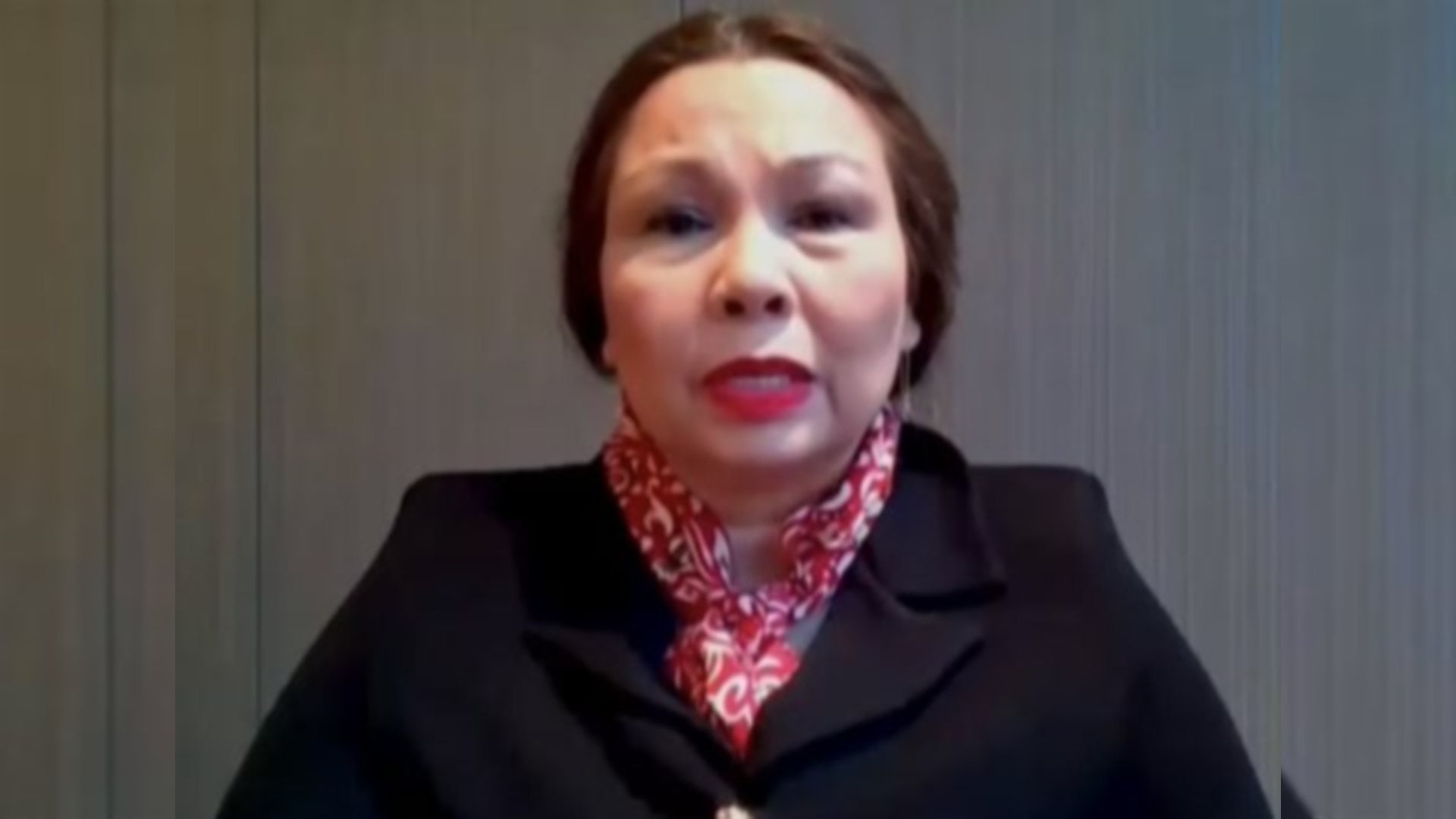
EDWARDSVILLE - Ableist oppression is multifaceted and it can be compared to patriarchal domination, so says Mich Ciurria, PhD, philosophy adjunct professor at Washington University in St. Louis. Ciurria gave the keynote address on Friday, March 21 at the Midwest Society for Women in Philosophy (MWSWIP) Conference at Southern Illinois University Edwardsville.
Get The Latest News!
Don't miss our top stories and need-to-know news everyday in your inbox.
 For many years, Midwest SWIP has been organized and run by Meredith Verrochi, PhD, instructor in the SIUE Department of Philosophy. This is the first year for SIUE to host this long-running conference. Introducing the keynote speaker was Alison Reiheld, PhD, associate professor in philosophy and one of the MWSWIP Conference host liaisons. Ciurria, a queer, disabled philosopher with specializations in ethics, moral psychology, Marxist feminism, and critical disability theory, spoke about “Moral Responsibility and Disability.”
The noted philosopher P. F. Strawson asked, “What is disability and what do we do with impaired agents?” said Ciurria, author of “An Intersectional Feminist Theory of Moral Responsibility,” who has obsessive-compulsive disorder (OCD) and chronic fatigue syndrome.
“According to critical disability theory, a disability is a political construct,” noted Ciurria. “But according to mainstream theory, a disability is an impairment, pathology, risk, deviancy; a problem to be solved, studied, managed, cured, treated, trained, etc.” Strawson was a proponent of the latter view.
Ciurria explained that Strawson recommended a few interpersonal responses to disabled people, including “a detached, objective stance, repulsion or fear and pity. But not the range of reactive feelings and attitudes which belong to involvement or participation with others in interpersonal human relationships.”
For Strawson, institutional responses can involve treating the person as “something to be taken account of, managed, handled, cured, trained or simply avoided.” Ciurria objects to these responses because they depoliticize disability and represent it as a problematic feature of individuals.
A conservative may agree with Strawson that disabled people are objects of repulsion, fear, management and avoidance. In contrast, a liberal may see disabled people as apt for pity, love, treatment, training and curing. Ciurria notes that these are two sides of a “double-bind” or lose-lose situation. Should disabled people be feared or pitied? Should they be incarcerated or forcibly hospitalized? Both options deprive disabled people of their civil liberties.
In considering another example, “A conservative opinion may say, ‘Medicaid applicants are welfare leeches, trying to steal from hard-working taxpayers; and they deserve fear, avoidance and sanctions,’” said Ciurria. “A liberal viewpoint may say, ‘Medicaid applicants are genuinely impaired; and they deserve pity, charity and treatment.’” Both sides present disability as a problem for society to manage and control.
The above two views are known as a “double-bind.” “This double-bind normalizes ableist oppression, such as forced medicalization, segregation, and exploitation of disabled people,” she continued.
Part of the solution to the ableist double-bind, the instructor said, is to “shift from ideal theory to non-ideal theory, distributive justice to structural justice, politics of liberal reform to politics of abolition, and nondisabled stories to disabled testimony.”
“Disabled people should be recognized as experts on disabled people’s responsibility,” said Ciurria.
Historically, women have also been seen as impaired according to Aristotle, she said.
“Aristotle called women ‘mutilated men,’” noted Ciurria. “In ancient Greece, women were considered impaired. They were seen as less intelligent and less rational than men. Similarly, some people would say the same thing about disabled people.”
MWSWIP held its conference from March 20-22 at SIUE, with various virtual and in-person presentations.
“Midwest SWIP members actively seek work that engages feminist practices in resistance to white supremacy, misogyny, and other forms of oppression,” said Verrochi.
Central to SIUE’s exceptional and comprehensive education, the College of Arts and Sciences offers degree programs in the natural sciences, humanities, arts, social sciences, and communications. The College touches the lives of all SIUE students helping them explore diverse ideas and experiences, while learning to think and live as fulfilled, productive members of the global community. Study abroad, service-learning, internships, and other experiential learning opportunities better prepare SIUE students not only to succeed in our region's workplaces, but also to become valuable leaders who make important contributions to our communities.

More like this:




- Most Popular


- Top Stories

- Most Recent