


Snoring and Stroke: The Hidden Connection
 Here’s another reason to pay attention when your partner complains that you’re snoring or gasping for air at night: sleep apnea – repeated episodes of stopped or slowed breathing during sleep – and stroke go together in more ways than you think.
Get The Latest News!
Don't miss our top stories and need-to-know news everyday in your inbox.
Leslie Ingold, RN, MSN, a regional stroke coordinator at OSF HealthCare, says sleep apnea decreases blood flow to the brain, which can cause a stroke. Conversely, she says people who have suffered a stroke can experience sleep apnea, typically in the first day or two.
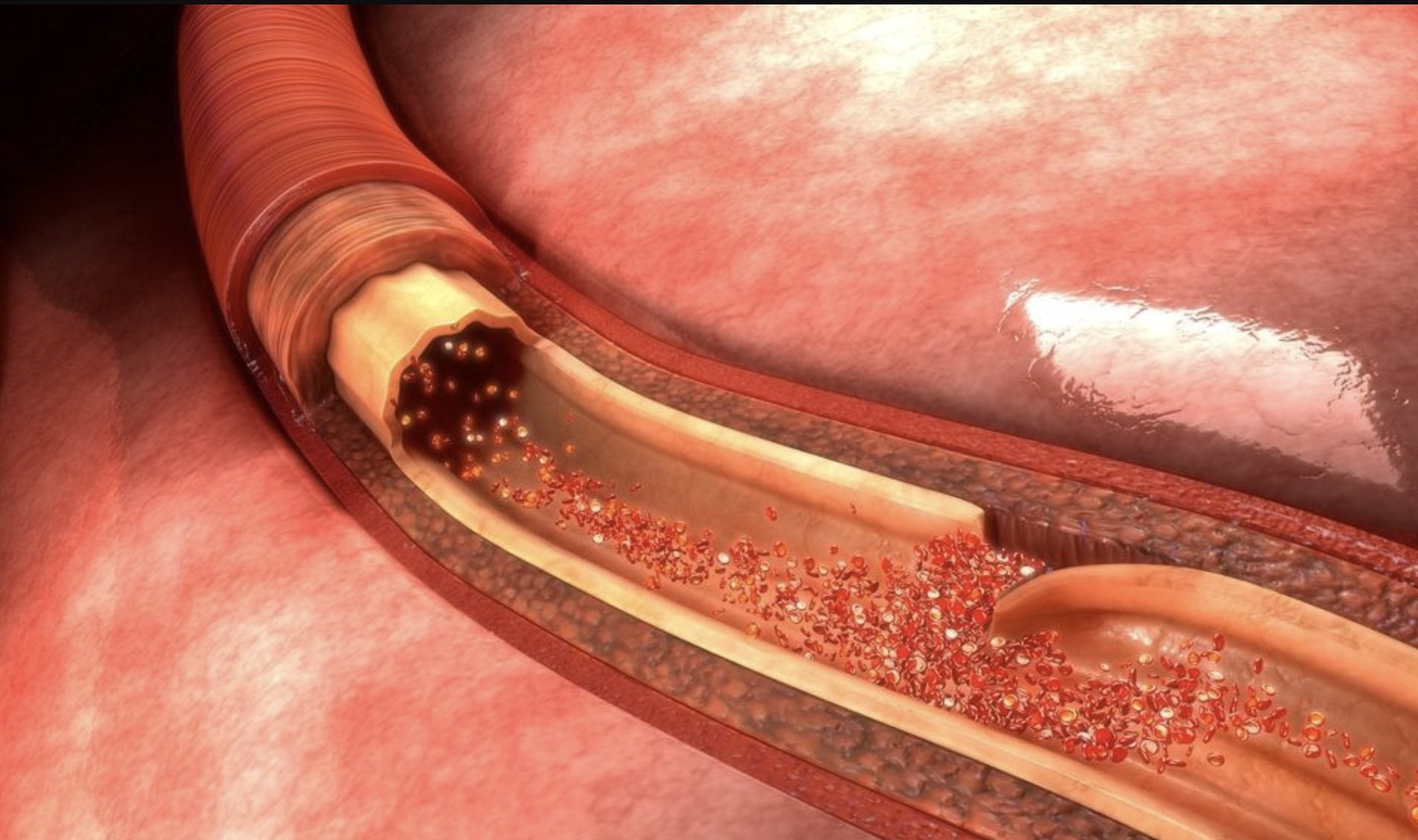
Ingold also says people with obstructive sleep apnea (collapse of the upper airway) are twice as likely to have a hole in their heart known as a patent foramen ovale (PFO). PFOs can increase your stroke risk.
“One of the tests we do when [stroke] patients come to the hospital is an echocardiogram of the heart. A PFO is what we’re looking for. It’s that hole in your heart that doesn’t close properly when you’re a child,” Ingold says. “It’s actually what they look for in sports physicals when kids are in school. Listening for that extra ‘lub-dub’ in the heartbeat. Sometimes it’s not caught. We’re finding people in their 60s and 70s that have the hole. We can go in and get that closed.”
What to watch for
Some things to watch for that might prompt you to see a health care provider about sleep apnea:
- Snoring. Ingold says watch for loud snoring or a pattern of snoring when you didn’t used to.
“When you can hear it through the wall,” she quips.
- Waking up and gasping for air
- Morning headaches
- Excessive sleepiness, difficulty concentrating and irritability throughout the day. For kids, watch for hyperactivity.
- Increased blood pressure
For stroke signs, experts want you to remember the acronym BEFAST. If there are irregularities in balance, eyes, face, arms or speech, it’s time to call 9-1-1.
Nighttime strokes
Ingold says one in four strokes happens in the early morning when you’re likely asleep. Those so-called “wake up strokes” can make things tricky.
Medicine like tenecteplase (TNK) must be given at the hospital within 4.5 hours of the onset of symptoms. If you suffer a stroke while you’re sleeping, there’s not a good way to know when symptoms started. So, health care providers must go by the last time you were well, which would be when you went to sleep.
“There are some other things that can be done,” Ingold says, if TNK is not an option. “If there’s a clot, we can take care of those up to 24 hours [since symptom onset.] We can see if there are early signs of brain damage and get you on the road to those kinds of procedures if you qualify.”
But a big takeaway message: if you have stroke symptoms like a severe or unexpected headache, don’t sleep it off. See a health care provider.
Healthy sleep
You may need treatment like a continuous positive airway pressure machine (CPAP) for sleep apnea. But healthy sleep habits will go a long way, too. Ingold says you can try a four-week plan.
- Week one: Commit to physical activity, especially if you work at a desk all day. Get up and take a short walk.
“Do some things that will make you ready for bed,” Ingold says.
- Week two: Phone tactics. Move it away from your bed to charge overnight. Use an old-fashioned alarm clock instead of your phone’s alarm. Turn your phone over. All of these make you less tempted to look at the device and take in blue light that inhibits sleep.
- Week three: Create a morning routine.
“It doesn’t have to be anything fancy,” Ingold says. “Your alarm goes off. You walk over to check the phone you’ve placed on the other side of the room. Maybe grab a cup of coffee and give yourself five to 10 minutes. Read a devotion. Do some meditation.”
- Week four: Not just the phone. Ditch all devices as bedtime approaches. Read a book or listen to a podcast instead of clearing the Netflix queue.
Other tips for healthy sleep:
- Avoid long naps during the day. If you must nap, experts say to keep it under three hours.
- Make your home’s lighting natural: bright during the day, darker as night approaches and dark at night.
- Avoid large meals, caffeine and alcohol before bed.
- If you are a light sleeper, things like earplugs and an artificial noise machine can help.
Learn more
Learn more about reducing your risk for sleep apnea and stroke on the OSF HealthCare website.
More like this:

- Most Popular
- Top Stories



- Most Recent

- Sign In
- Home
- Video
- News
-
Weather
 Sponsored by Michael Ryan Exteriors - Roofing Professionals
 - Sports
- Obits
- Events
- Radio
- AP News
- Shop Local
- Classifieds
- Autos
- Real Estate
- Directory
Get the RiverBender App


Follow Us
Copyright © 2026 RiverBender.com All rights reserved.
primary